

 English
 Deutsch

Patio Mats for Indoor-Outdoor
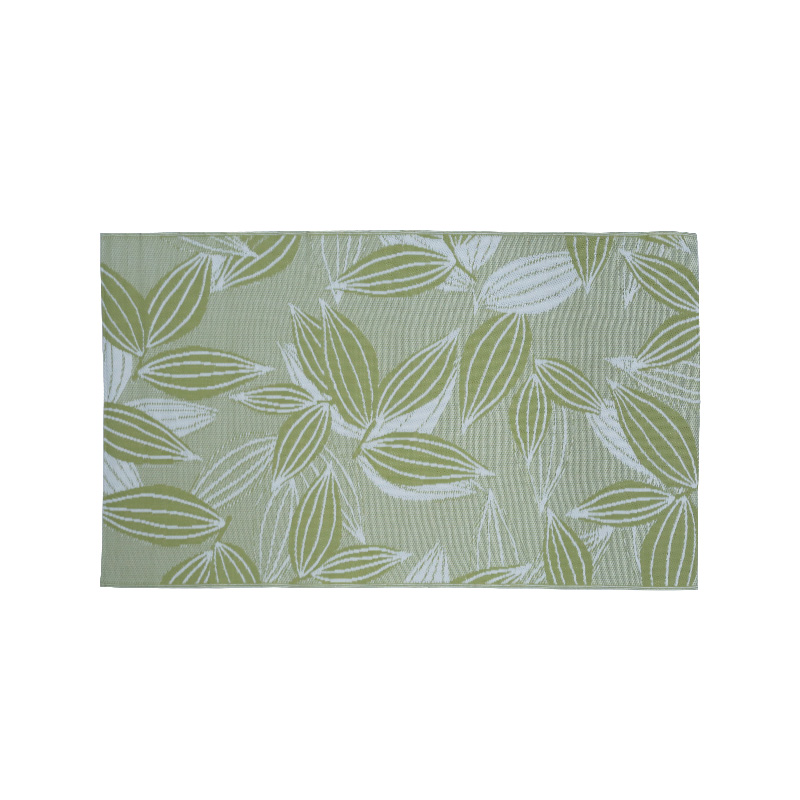
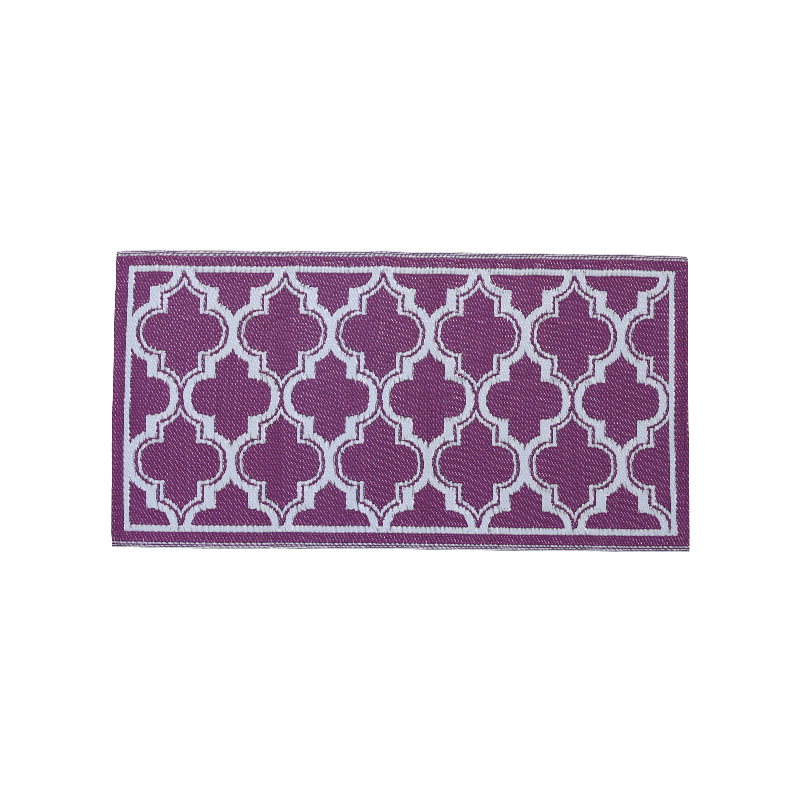
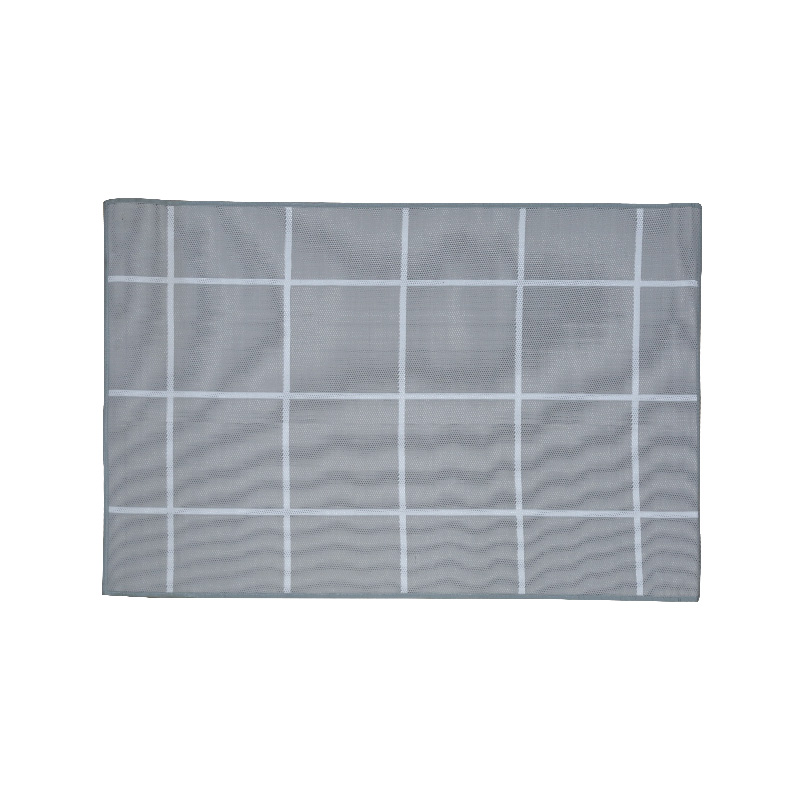
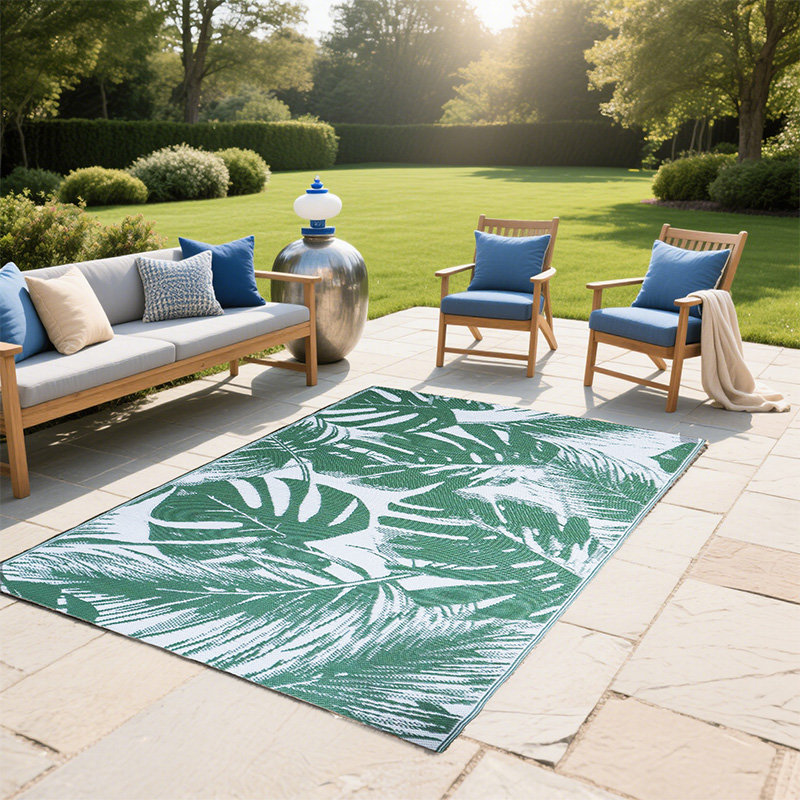
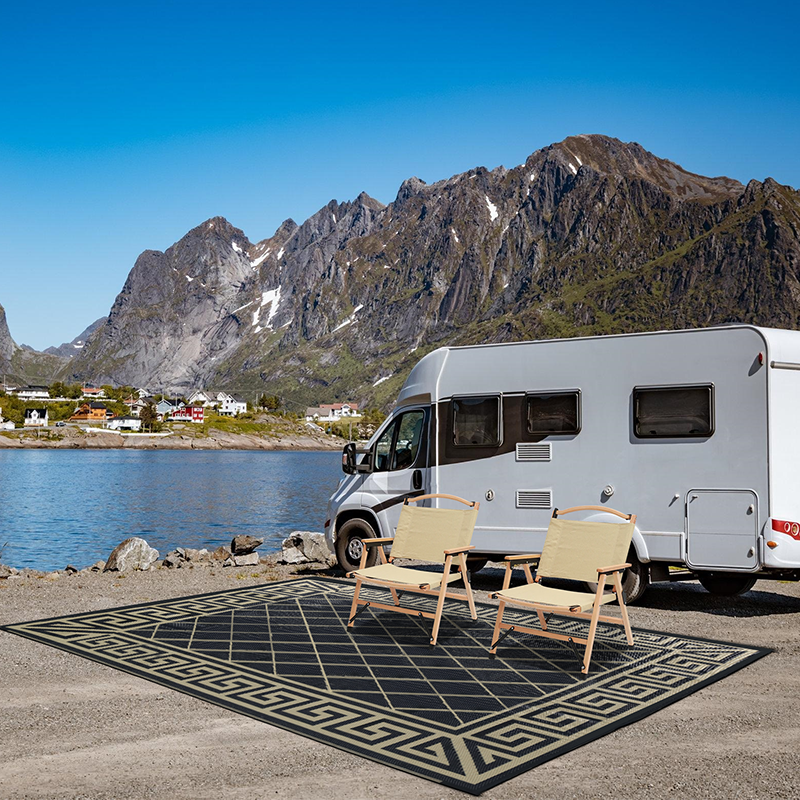
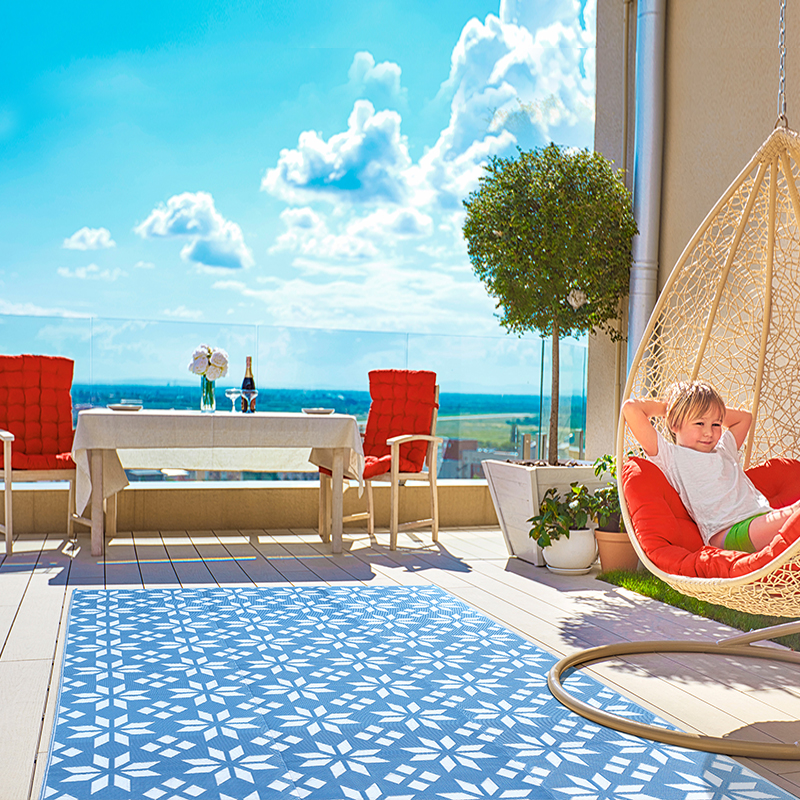
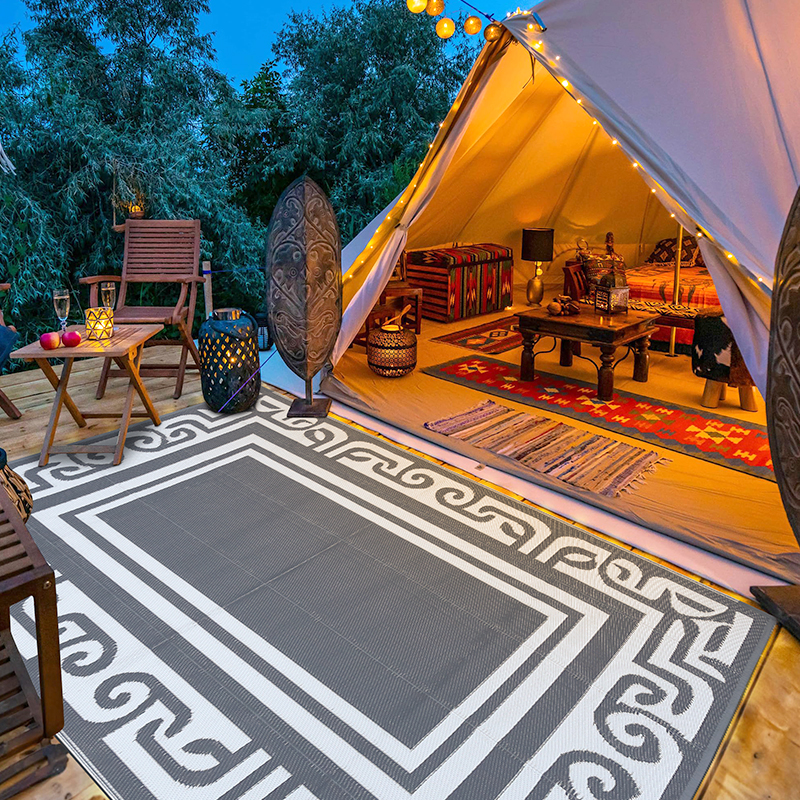
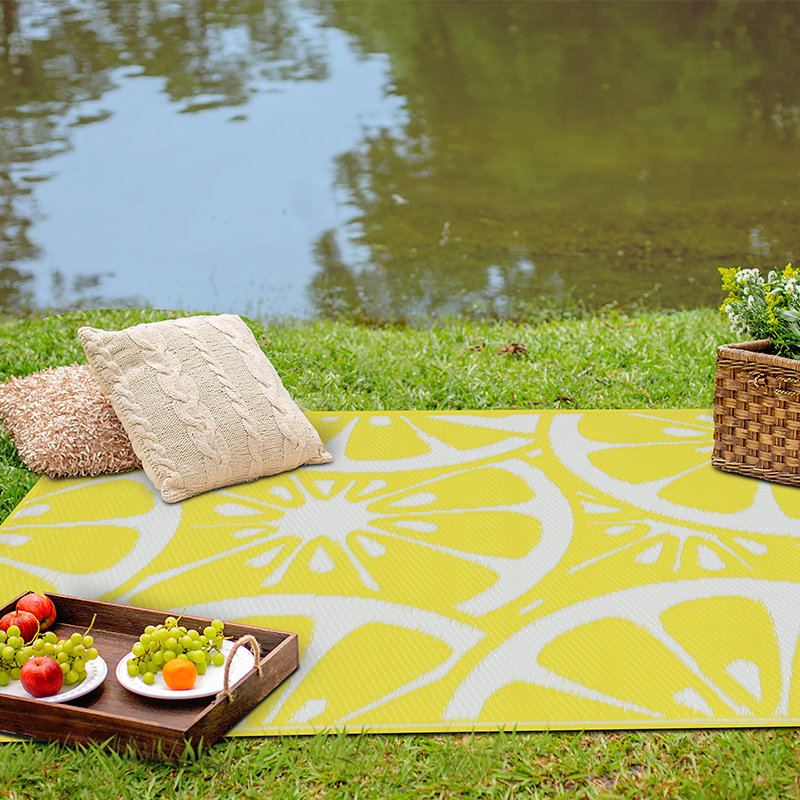
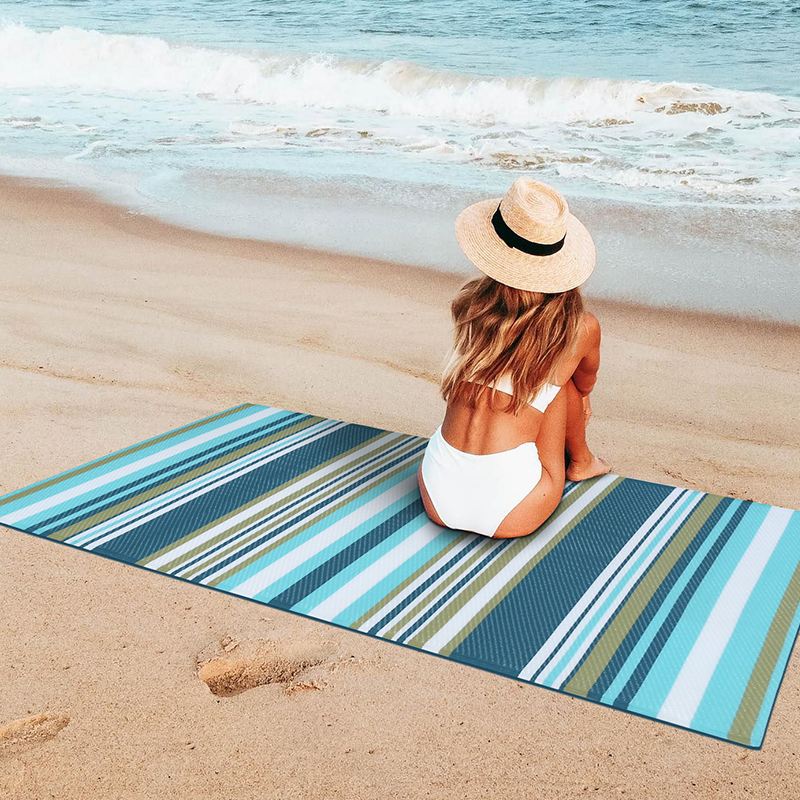
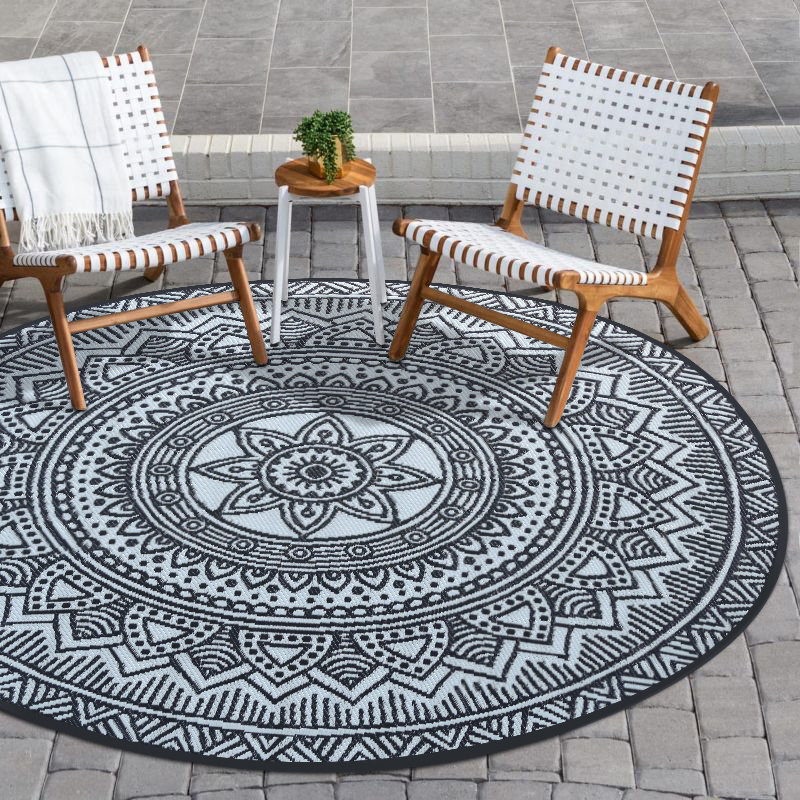
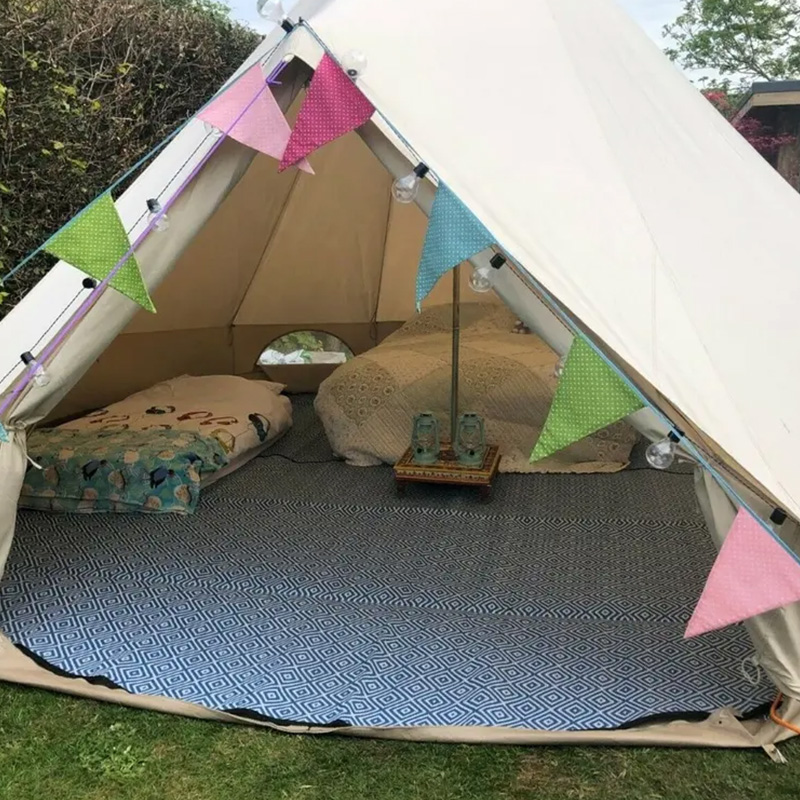
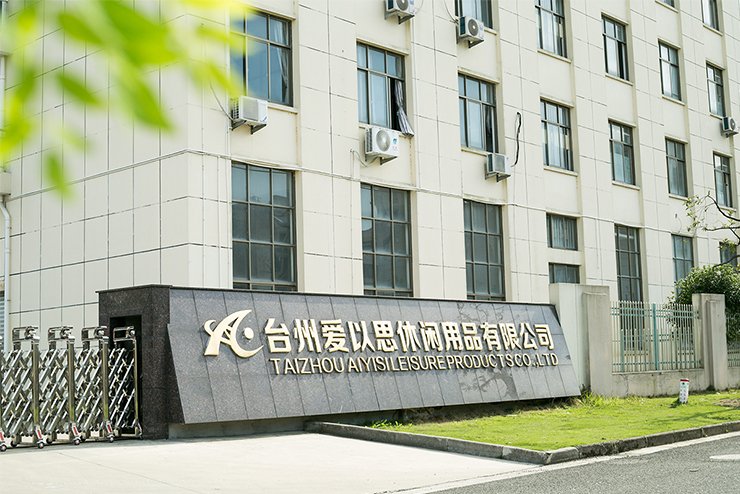
Patio mats are designed to make outdoor entry areas cleaner, more comfortable, and easier to maintain. Suitable for patios, decks, balconies, and doorway transition spaces, they help reduce tracked-in dirt while adding a soft, finished look to the floor. Well-made mats also offer practical advantages such as wear resistance, easy cleaning, and dependable performance in everyday indoor-outdoor use. Whether used as a Patio Door Indoor Mat or a Patio Door Outdoor Mat, they bring both function and visual appeal to busy living spaces. For buyers looking for reliable product quality and consistent supply, Aiyisi is a trusted factory in the patio mat industry.
About Us
Honor
-
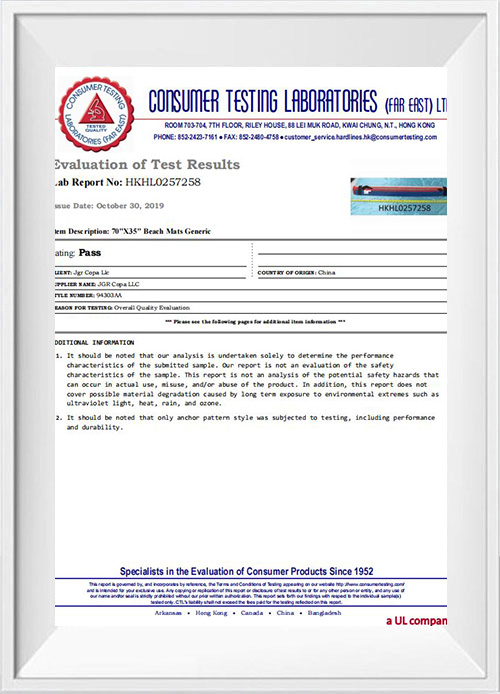 PROP
PROP -
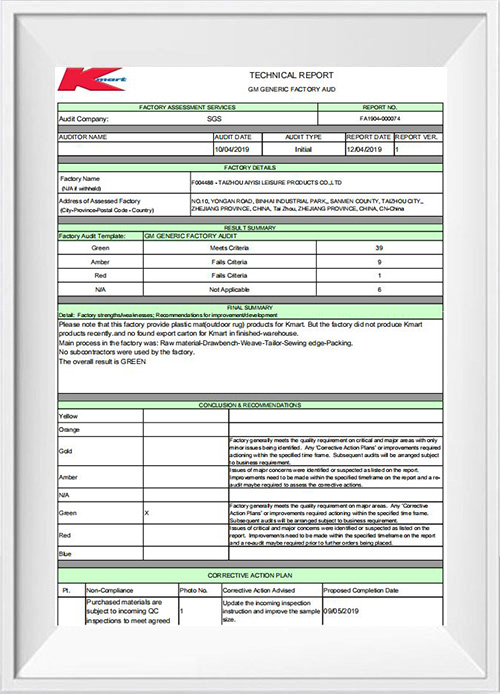 K-MART AUDIT
 -
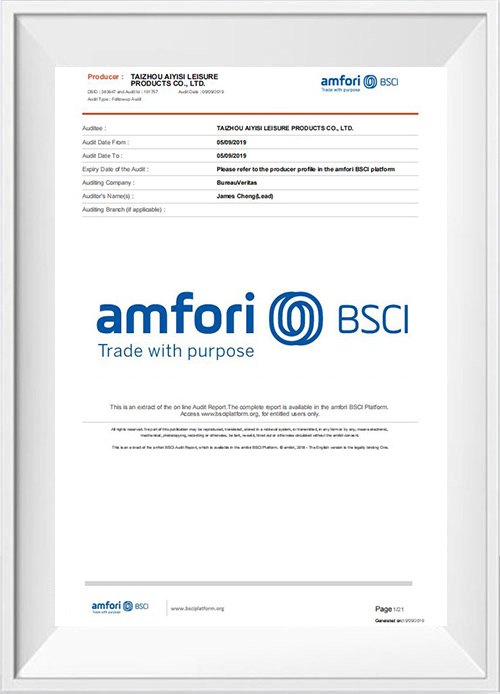 BSCI
BSCI
News
-
Industry News 2026-09-30
Global E-Commerce Outdoor Market Background Online shopping for outdoor living products continues to...
View More -
Company News 2026-09-30
Canton Fair Preview Background The 140th China Import and Export Fair will take place in Guangzhou t...
View More -
Company News 2026-09-09
Global Outdoor Textile SupplyChain Background As outdoor leisure consumption surges across Europe, N...
View More -
Industry News 2026-09-04
Outdoor spaces are becoming more than empty areas beside a home. Patios, balconies, gardens, terrace...
View More
Why Material Stability Matters in High-Traffic Indoor-Outdoor Rug Applications
People rarely think about rug performance until an entry area starts showing problems. A mat by the patio door may begin to curl at the edges, hold onto dirt, feel damp longer than expected, or lose its shape where people step most often. In high-traffic indoor-outdoor spaces, those small issues quickly become visible because the rug is doing more than decorating the floor. It is working as part of the everyday function of the space.
This is exactly where material stability becomes important. In practical terms, material stability refers to how well a rug continues to perform after repeated use, exposure, and cleaning. Patio doors, balcony entrances, covered porches, and transitional walkways all create a demanding environment. Shoes carry in grit and moisture, foot traffic stays concentrated in the same path, and temperature changes affect the surface more than they would in a fully indoor room. A rug used in these areas needs to hold up under pressure without becoming difficult to maintain.
For buyers comparing options for outdoor entry rugs, surface appearance alone does not tell the full story. A product may look attractive when new, but long-term value depends on whether it can keep a usable structure over time. In busy spaces, the rug needs to stay flat, remain manageable to clean, and continue functioning as part of the entrance rather than turning into another problem to solve. This is one reason material selection has become a more serious consideration for both homeowners and professional sourcing teams.
For patio and entryway rugs, the material makes a noticeable difference once the product is used day after day. Polypropylene is widely seen in this category because it works well in spaces that sit between the indoors and the outdoors. In these settings, buyers are usually looking for something that can handle regular foot traffic, stay easier to care for, and continue looking presentable without demanding too much upkeep. That is why Polypropylene Outdoor Patio Rugs remain a popular choice for patios, balconies, deck areas, and other transition spaces around the home.
Placement also changes what the rug is expected to do. A Patio Door Indoor Mat is often chosen to make the doorway feel cleaner and more comfortable while catching some of the dirt brought in from outside. A Patio Door Outdoor Mat, on the other hand, has to cope more directly with debris, damp conditions, and everyday wear near the entrance. Although the use position is different, the goal is much the same: the rug should work well in a busy doorway and continue to do its job after repeated use, not just look attractive when it is first laid down.
Construction quality also matters more than many buyers first assume. Material stability is influenced not only by the fiber itself but also by how the rug is made, finished, and checked before shipment. Inconsistent manufacturing can affect edge shape, surface uniformity, and overall durability, especially in products intended for repeated daily use. For importers, wholesalers, and private label buyers, this becomes a sourcing issue as much as a product issue. Stable quality standards can reduce variation across orders and help protect customer satisfaction after the rugs reach the market.
There is also a broader shift in how people shop for patio and entryway products. Buyers are paying closer attention to function, maintenance, and long-term practicality than they did in the past. Decorative appeal still matters, of course, but it is no longer enough on its own. When people search for outdoor mats or rugs for patio doors, they are often trying to solve a problem: keeping the area cleaner, improving comfort underfoot, or finding something that will last in a frequently used space. That search behavior explains why performance-related topics are becoming more relevant in this category.
For that reason, discussions about Polypropylene Patio Rugs increasingly focus on use conditions rather than color or pattern alone. The key questions are straightforward. Will the rug stay usable in a high-traffic zone? Will it remain easy to care for over time? Will it continue to suit an indoor-outdoor application after regular wear? These are the questions that shape purchase decisions in real life, and they are exactly why material stability deserves more attention than it often receives.
In the end, a rug placed at a patio entrance has a job to do. It helps define the space, improves comfort, and supports day-to-day cleanliness, but only if the material and construction are suited to the environment. In high-traffic indoor-outdoor applications, stability is not a minor technical detail. It is one of the main factors that determines whether the product continues to deliver value after the first impression is gone.

- FAX : 86-0576-83352177
- E-mail : [email protected]
- Phone : +86-0576-83207588
- Add: No.10 Yongan Road, Binhai industrial park, Sanmen County, Taizhou City, Zhejiang, China.
 Facebook
 Youtube
 Twitter
 Instagram