

 English
 Deutsch

Don't hesitate to send a message
Search
Recent Post
Newsletter
Cheap PP Picnic Mat Guide for Concrete and Pavement
Lots of folks who like being outdoors grab these Cheap PP Picnic Mat . They cost little and fold up small so carrying them around feels easy. Still, questions come up about how they actually hold up once spread on hard spots like concrete, packed dirt, or pavement. Looking at the main things that matter shows how the way they are made, how the fabric acts, and what people notice in real use all play a part.
Understanding Core Material Properties of Cheap PP Picnic Mats
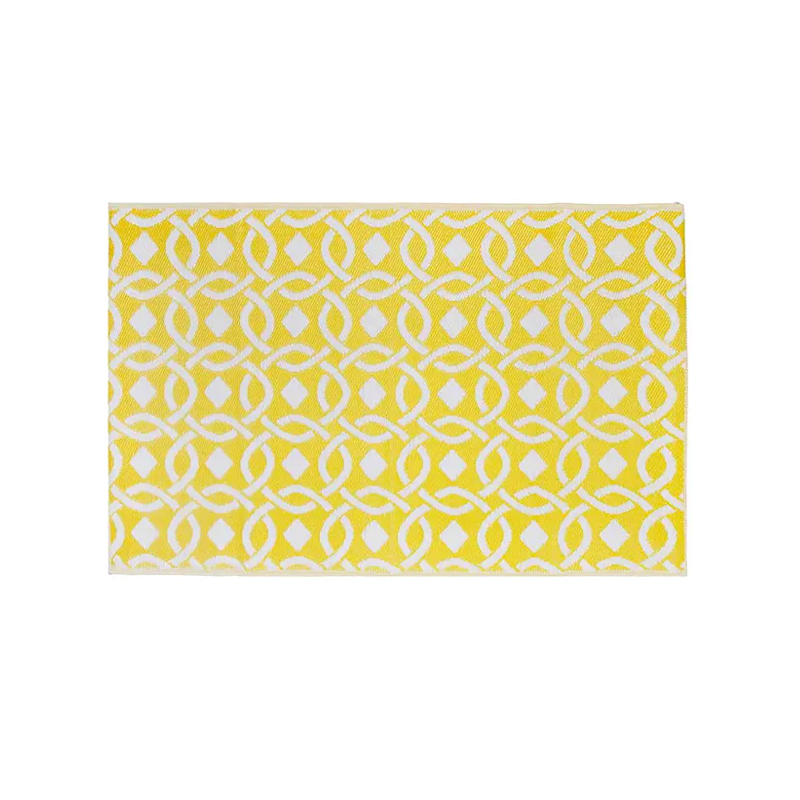
These mats are primarily made of polypropylene. It stays light so packing and moving it stays simple. The stuff handles weather changes okay during a day outside. It bends enough for normal sitting around yet feels different when the ground below turns solid and hard. It initially repels water, but constant pressure on firm surfaces gradually tests its strength. The whole build lets the mat roll or fold tight which makes taking it from place to place straightforward.
How Thickness Affects Comfort on Firm Ground
Thickness makes a real difference in how comfortable the mat feels when sitting on it. Thicker ones give more cushion from the hard surface underneath and cut down on the pressure coming through. People sitting for longer times notice this extra padding against concrete or firm spots. Thinner mats offer very little buffer so the hardness starts to bother after a while. Different options vary, so some handle hard ground better than others. Picking based on how long you plan to sit helps match the feel you actually get outdoors.
How Grip and Stability Work on Hard Surfaces
Stability matters a lot when the mat sits on smooth or solid ground with little natural grip. Mats that slide around force constant fixing which breaks the relaxed mood. Some have a treated bottom that holds better and stops unwanted shifting. This helps keep things steady especially with activity nearby or on slight slopes. Good positioning means less fiddling during use. Mats without enough grip need more adjustments particularly if wind or small movements happen around the setup.
Durability on Rough and Hard Ground
Hard ground wears the mat faster than soft grass or sand. Edges and contact spots rub more and can fray or change texture quicker with repeated use. Stronger edges and solid build resist this better. How well it handles repeated folding and placing on tough surfaces decides long-term satisfaction. Gentle setup and storage help it last longer but the hard contact still affects endurance. Checking wear regularly lets you know when it may no longer suit the purpose.
Reviewing Cleaning Processes and Maintenance Requirements
Hard surfaces bring more dirt and spills so cleaning matters more. Mats that wipe clean or rinse off easily save time between trips. Polypropylene pushes water away which means it dries faster after washing or getting wet. This stops dampness from sitting in the folds and messing up storage or next use. Simple care lets people take the mat out more often without much hassle. Good cleaning keeps it looking decent and fresh over many seasons outside.
Incorporating Observations from Varied User Feedback Sources
Real outdoor use brings mixed opinions on satisfaction. Some say the cushion works okay even on firm ground and they enjoy their time sitting there. Others feel discomfort sooner because of thin padding and note it does not suit longer sits or their taste. Comments about hard surfaces differ from general outdoor talk. Checking various reviews helps set realistic hopes before buying. Common points in feedback show which features last better on tough ground.
Comparative Overview of Key Performance Factors
| Aspect | Basic Variations | Enhanced Variations |
|---|---|---|
| Cushioning Response | Minimal separation from base firmness | Improved buffering against hard contact |
| Surface Hold | Standard contact with occasional shift | Increased resistance to unwanted movement |
| Wear Resistance | Faster edge changes under repeated use | Slower development of surface alterations |
| Care Convenience | Standard wiping with moderate drying time | Quicker restoration after exposure |
| Overall Adaptation | Suitable for shorter sessions | Better alignment with extended activities |
Exploring Additional Factors That Affect Long Term Satisfaction
Besides the main material and design, other things shape how these mats feel over time on hard surfaces. How you store them affects whether they keep their shape after folding or rolling for carrying. Temperature changes during storage or travel can change how flexible they feel when you unfold them. Sun exposure over many outings can slowly shift the surface look especially if left out in daylight. Packing weight evenly helps stop creases that show up once spread flat again. Pairing with other outdoor gear like extra seats or covers adds more use in mixed spots. Paying attention to these details boosts usefulness without depending only on the mat for all comfort and protection.
Identifying Common Usage Scenarios Where Hard Surfaces Appear Frequently
Outdoor activities often mean setting up on ground without natural softness. Parks with paved paths, city spots with concrete bases, or pop-up event areas usually have firm surfaces. Beach spots near paved ways or rocky edges also force hard contact. Family trips, casual meetups, or quiet solo time in developed recreation areas raise the chance of hitting these conditions. Getting ready for different ground helps smooth things out when the spot has few soft choices. Knowing common places helps you match the mat to surfaces frequently encountered in regular outdoor activities.
Discussing Ways to Enhance Performance Through Proper Handling Techniques
Small changes in how you handle the mat can improve results even with standard build. Spreading it all the way and flattening folds before use gives even contact with the ground below. Giving it a short time to settle after laying down lets the material adjust to small bumps. Adding light extra layers on very firm spots gives more cushion without much extra weight or size. Rotating sides during use spreads wear evenly across the surface. Gentle folding when storing cuts stress spots that weaken after many cycles. These simple steps help the mat adapt better to hard conditions no matter the model.
Examining Environmental Influences on Material Behavior
Conditions around use add factors that mix with the polypropylene build. Temperature shifts change how the material handles pressure and movement. Cooler air can make it less flexible while warmer air sometimes softens the surface a bit. Moisture in the air or light rain affects how fast it dries and how it feels overall. Wind around the setup tests grip more on open hard areas. Sun time gradually changes color hold and surface feel. Knowing these links helps predict performance better across seasons and typical outdoor weather.
Considering Portability Aspects in Relation to Hard Surface Performance
Easy carrying is a main draw for these mats among outdoor users. They fold or roll tight so transport stays simple without much space or hassle. Still, balancing light carry with hard ground performance needs thought when picking one. Very light versions sometimes lose some durability that matters once on firm bases. Mats that stay convenient to carry while handling hard surfaces okay support steady use in different places. Packing up after dirty hard ground also shapes how happy you feel with the portability.
Reviewing Seasonal Variations in Suitability for Hard Ground Conditions
Seasons change how the mat handles hard surfaces. Warmer months often mean longer sitting so steady cushion counts more. Cooler times show insulation needs when the ground cools. Mixed weather with shifting moisture tests cleaning and drying more often. Thinking about seasonal shifts sets realistic hopes for planned outings. Small changes with extra items or setup ways can balance how the material acts through different conditions.
Addressing Potential Limitations Without Overstating Drawbacks
Every outdoor item has limits tied to its build and basic purpose. Polypropylene mats focused on low cost and easy carry may not match gear designed for heavy-duty or demanding use. Hard surfaces just make existing traits stand out instead of adding fresh problems. Knowing these natural limits leads to better choices that fit real habits. The focus stays on practical fit for normal outdoor time rather than expecting flawless handling on every surface.
Summarizing Key Considerations for Selecting Polypropylene Picnic Mats for Varied Hard Surfaces
Checking thickness, grip, durability, and easy cleaning gives a solid base for picking the right mat for hard surfaces. Real experiences from users show how different builds actually perform in practice. Things like handling, weather effects, and carry needs help narrow down the choice. Matching these to your usual activities raises the chance of decent results when firm ground shows up. Watching how it works during use lets you make small tweaks for longer outdoor time with less trouble from the surface.
Reflecting on Broader Implications for Outdoor Equipment Choices
Talking about cheap polypropylene picnic mats on hard surfaces points to bigger trends in choosing everyday outdoor gear. Low price and convenience push many buys, but real performance in common spots decides lasting value. Seeing how simple materials react to different surfaces encourages more careful looking before purchase. This way of thinking goes past one item to help better prep for time outdoors away from indoor spaces. Knowing strengths and limits in regular gear leads to more flexible and enjoyable outdoor habits across places and seasons.
The exploration of these aspects reveals that success with Cheap PP Picnic Mat on hard surfaces stems from alignment between construction features and actual usage requirements. No single variation addresses every possible scenario, yet informed consideration of the discussed factors supports reasonable outcomes in typical outdoor contexts. Regular reflection on performance during use contributes to refined preferences over time, enhancing future selections without necessitating constant replacement. This methodical approach helps maintain focus on enjoyment of outdoor activities rather than frustration with equipment limitations on challenging ground types.
OUR PRODUCTS
Recommended Products
-
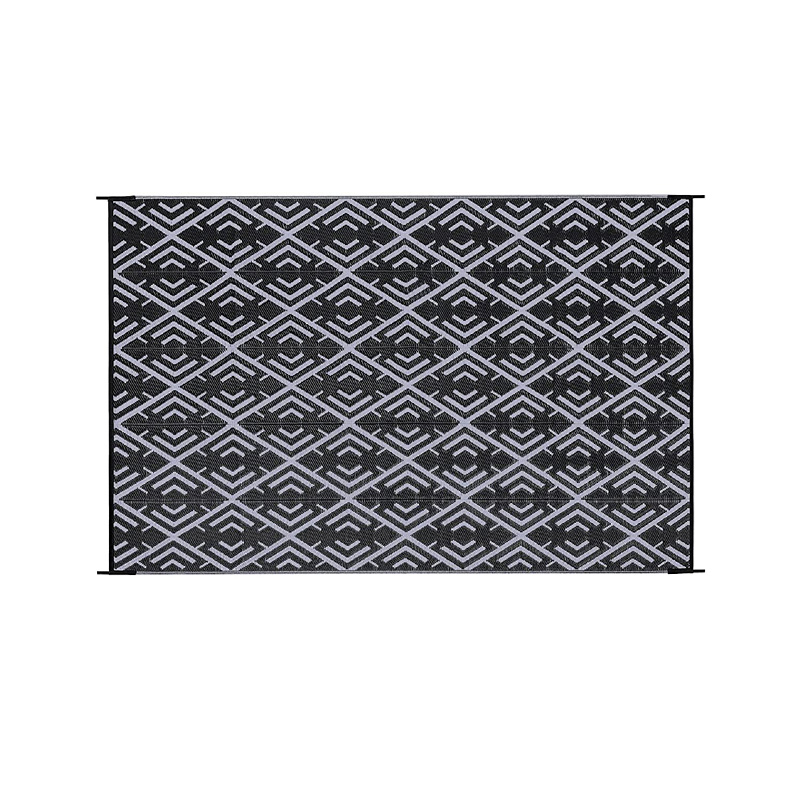
Lightweight Polypropylene Plastic Outdoor RV Mat
For RV owners, the ground space outside the vehicle quickly becomes part of daily living. A good out...
-
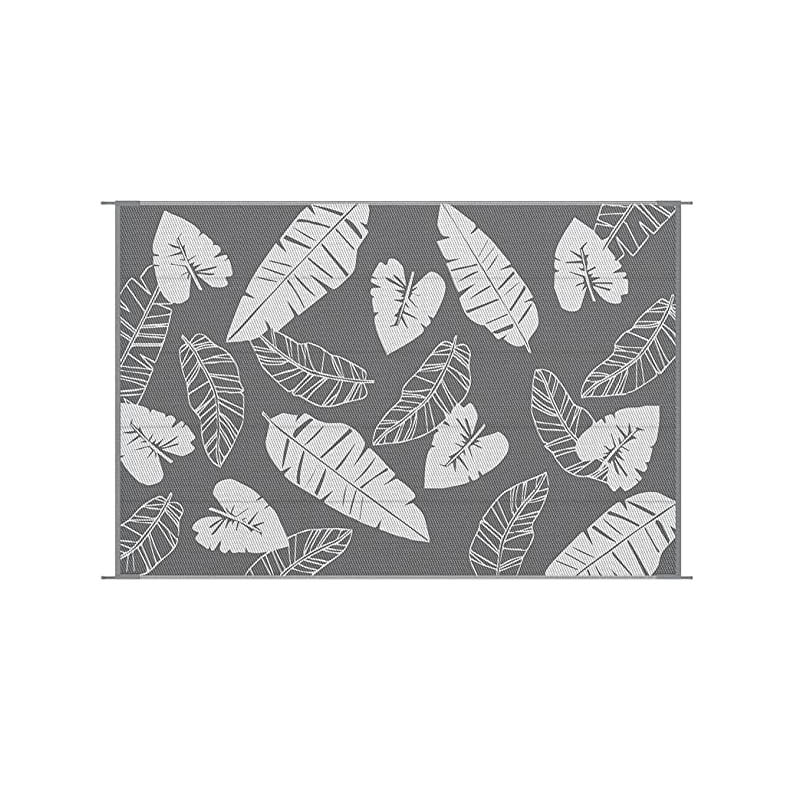
Large Foldable Anti-UV PP Weaving Straw RV Rug
When RV users set up an outdoor living area, the mat is often one of the first items placed beside t...
-
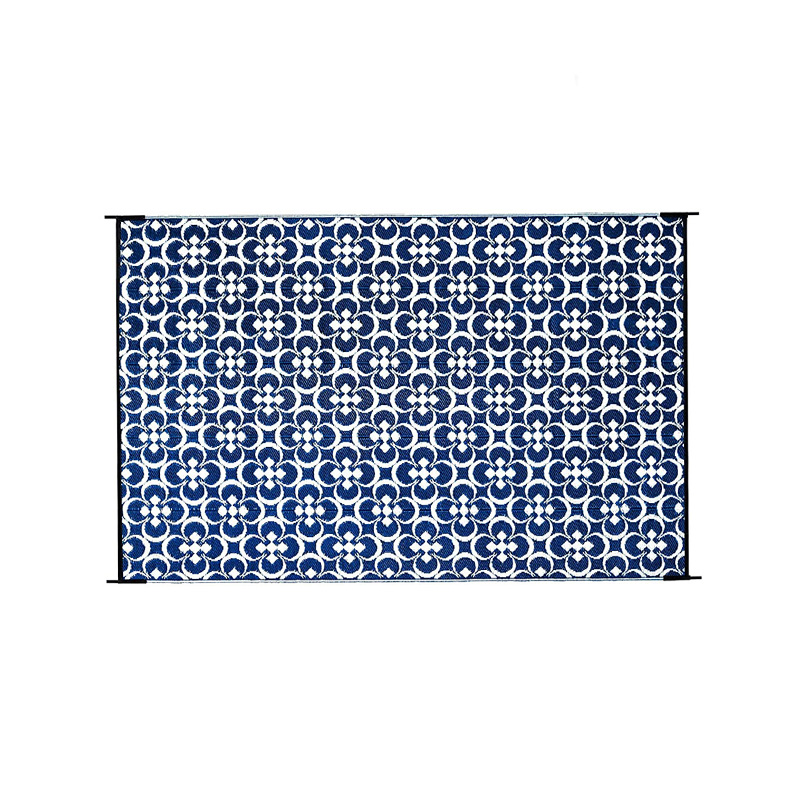
Recycled Moistureproof Plaid Outdoor Mat For RV
Features Heavy-Duty & High Quality & Durability: Our heavy-duty reversible RV mats are made ...
-
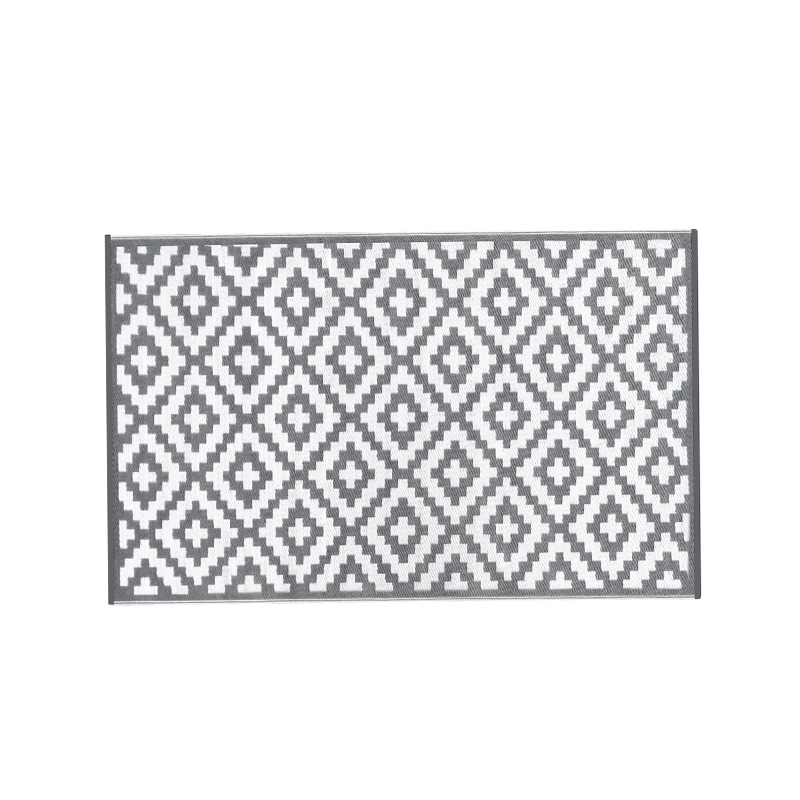
UV Resistant Patio Outdoor Rug
Elevate your outdoor spaces with the UV Resistant Patio Outdoor Rug from Aiyisi, thoughtfully design...
-
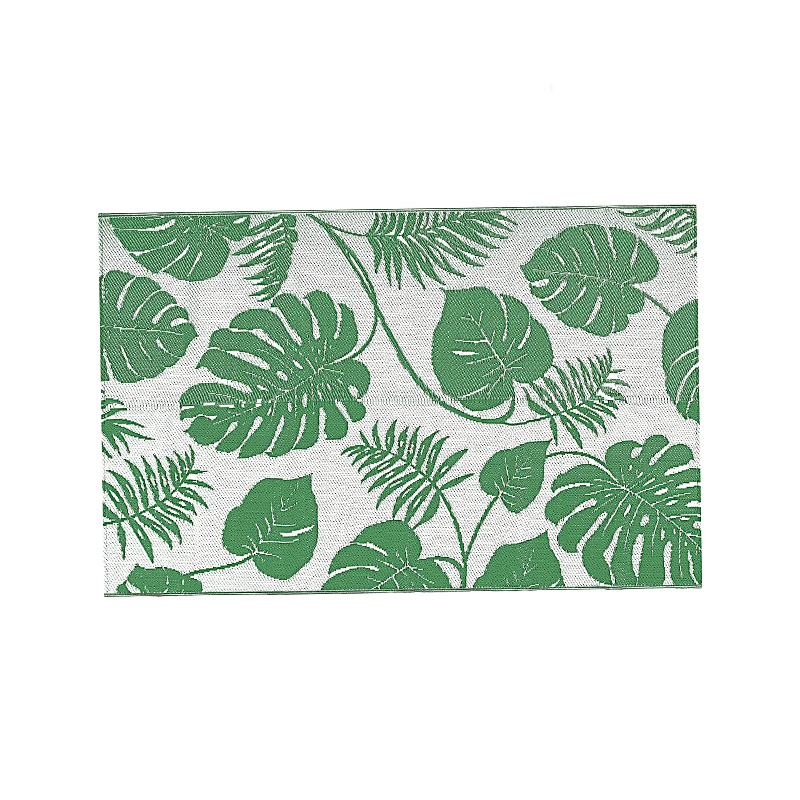
Durable Outdoor Polypropylene Mat For Patio
Features Reversible Outdoor Rug: The outdoor plastic straw rug with timeless medallion design is ele...
-
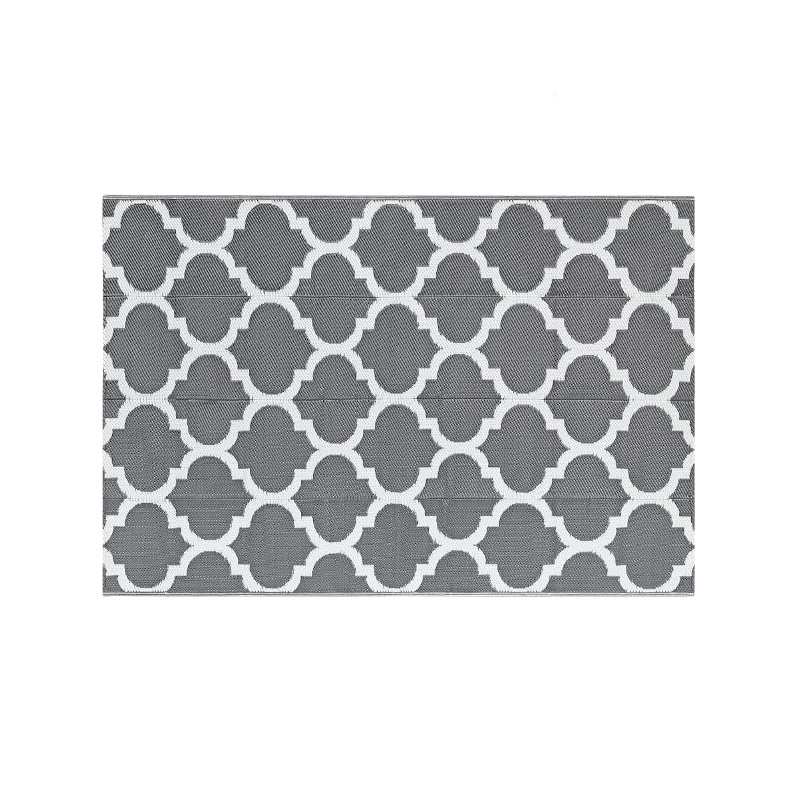
Recycled Plastic Straw Matting For Outside
Built for spaces that see real outdoor living, this recycled plastic straw mat adds a finished look ...
-
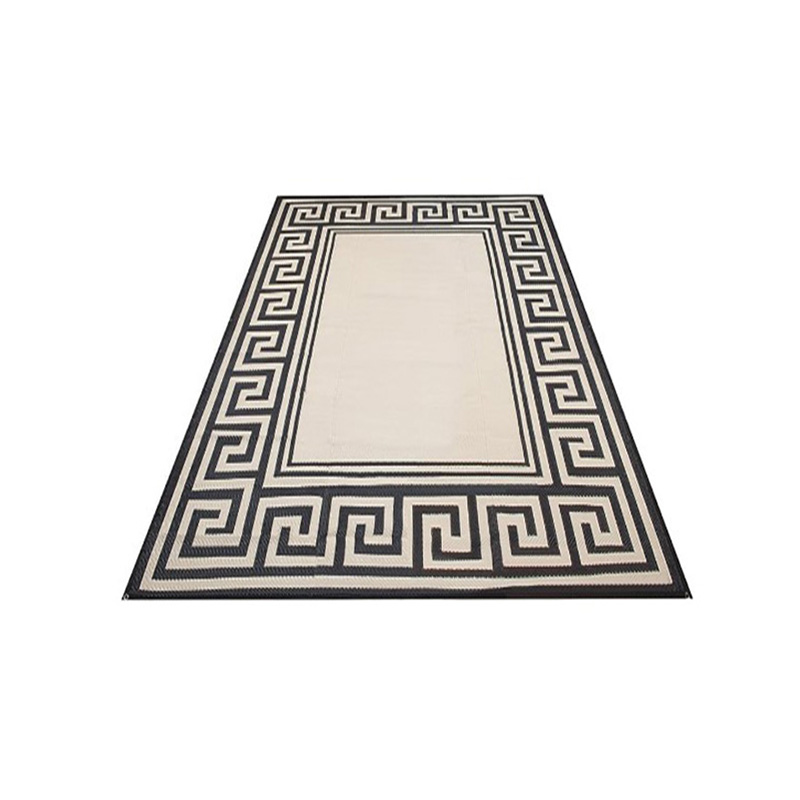
BSCI Audit PP Straw Camping Outdoor Rug
Description Introducing the BSCI Audit PP Straw Camping Outdoor Rug by AIYISI, an outdoor gear manuf...
-
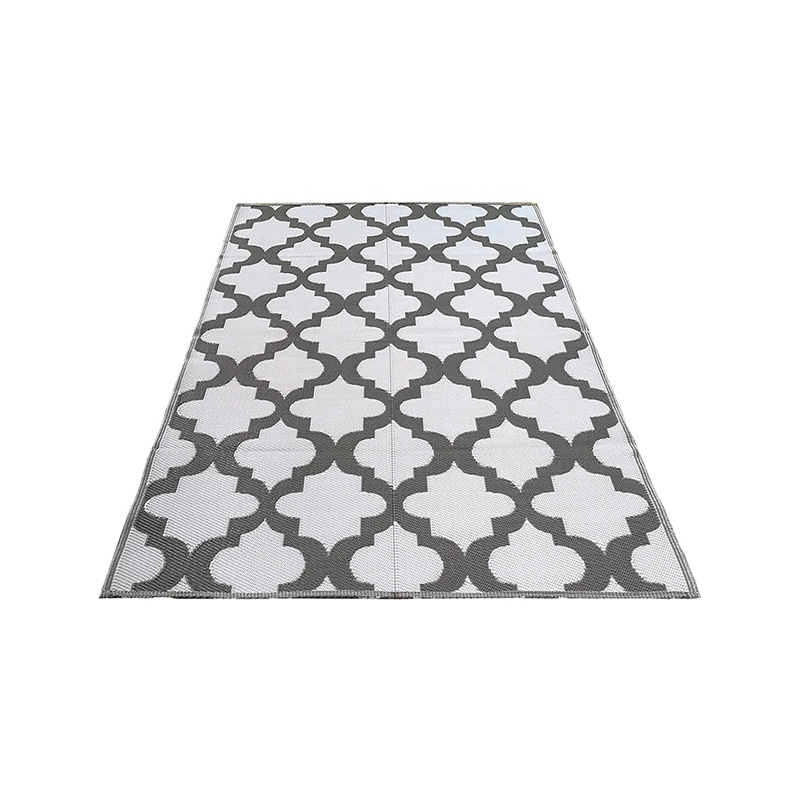
Plastic Matting Cheap PP Woven Recycled Campping Mats
This plastic matting offers a practical choice for outdoor activities with its construction from rec...

- FAX : 86-0576-83352177
- E-mail : [email protected]
- Phone : +86-0576-83207588
- Add: No.10 Yongan Road, Binhai industrial park, Sanmen County, Taizhou City, Zhejiang, China.
 Facebook
 Youtube
 Twitter
 Instagram