

 English
 Deutsch

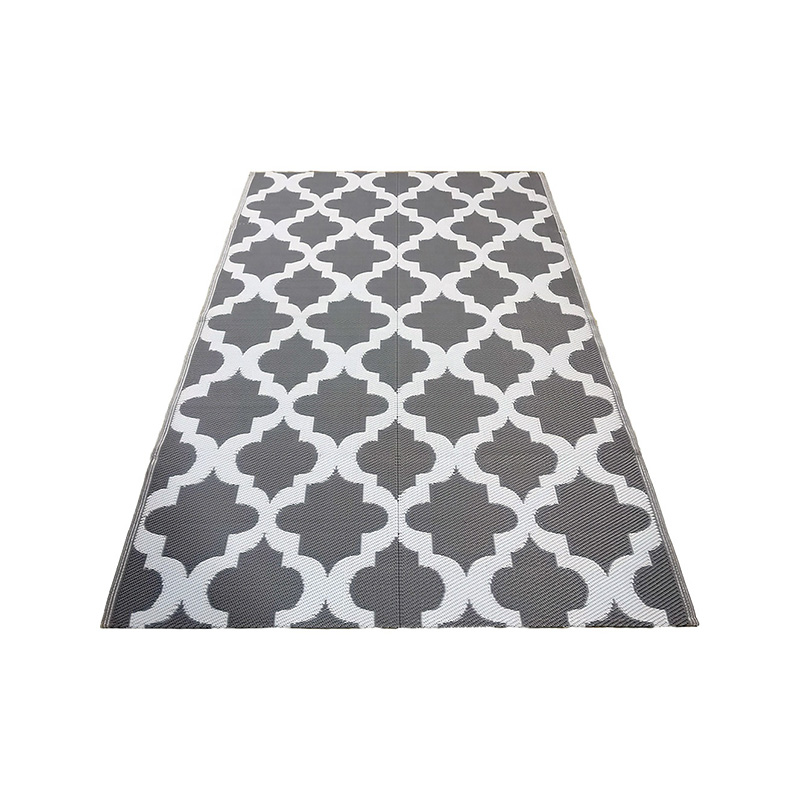
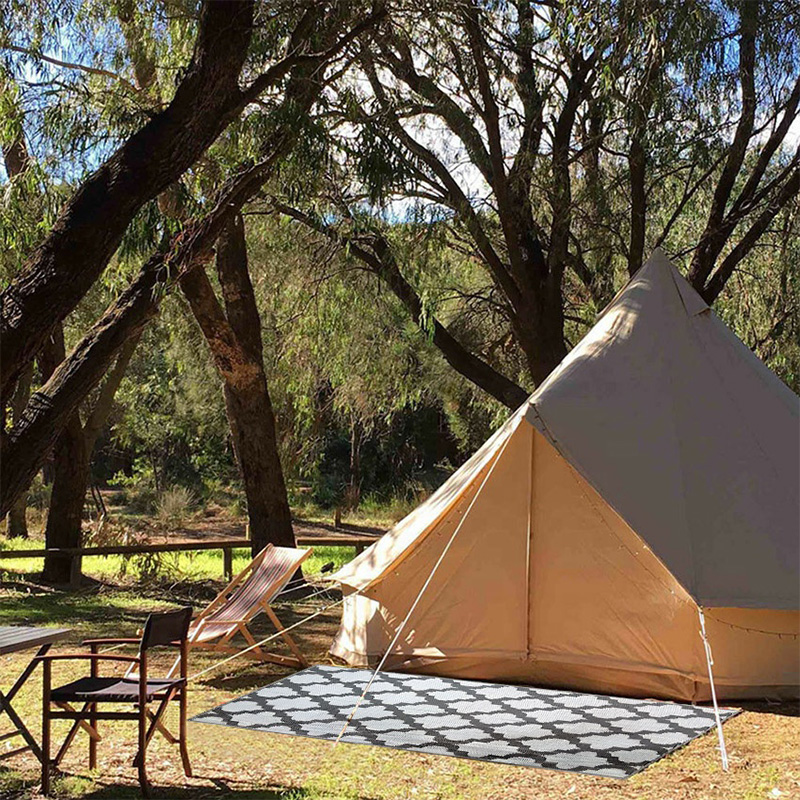
-

Beach
-

Camping
-

RV
-

Picnic
-

Patio
-

Poolside
-

Comfortable
-

Eco-Friendly
-

UV Resistant
-

Dries Quickly
-

Light Weight
-

Reversible
-

Easy to Clean




-
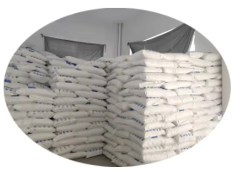
Raw Material
-
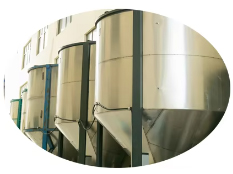
Color Mixing Workshop
-
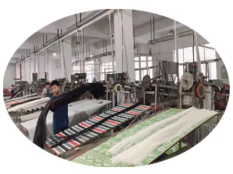
PP Wiredrawing
-
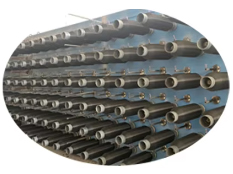
Wraping Producing
-
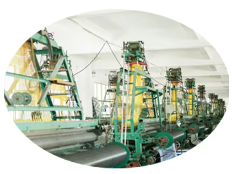
Weaving
-
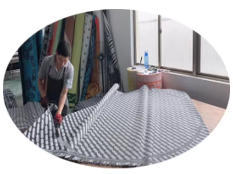
Semi-Finished
-
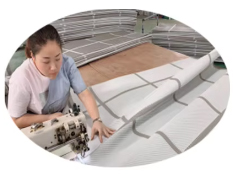
Sewing
-
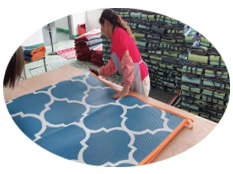
Packing
-
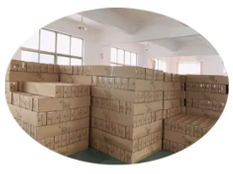
Storing
-
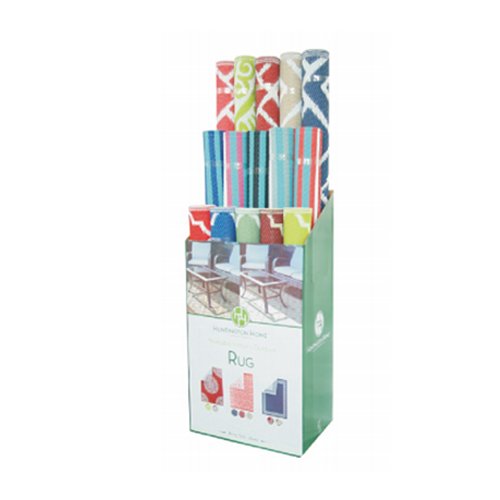
PDQ
-
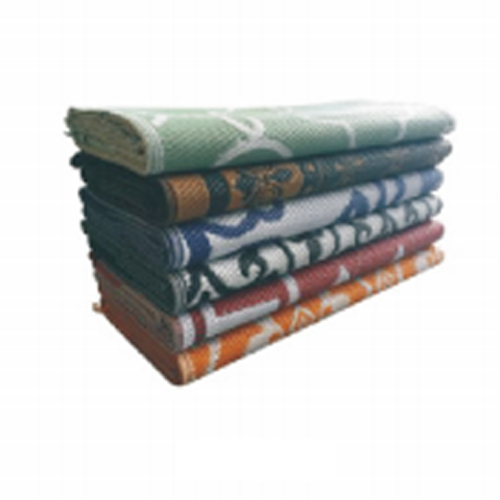
Folded
-
Carry bag
-
Carry bag
-
Rolled
Related Products
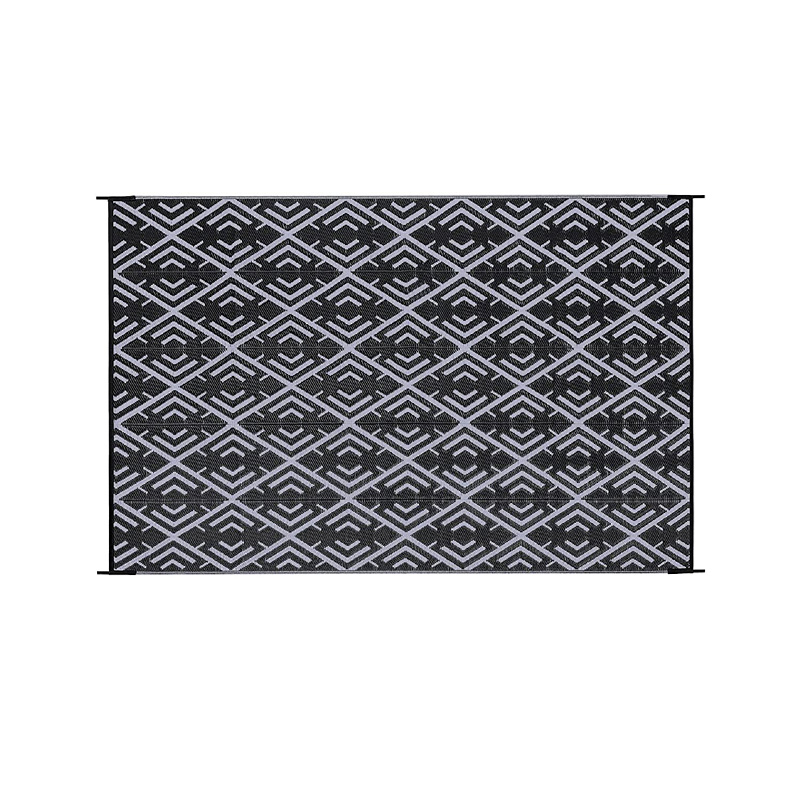 Quick View
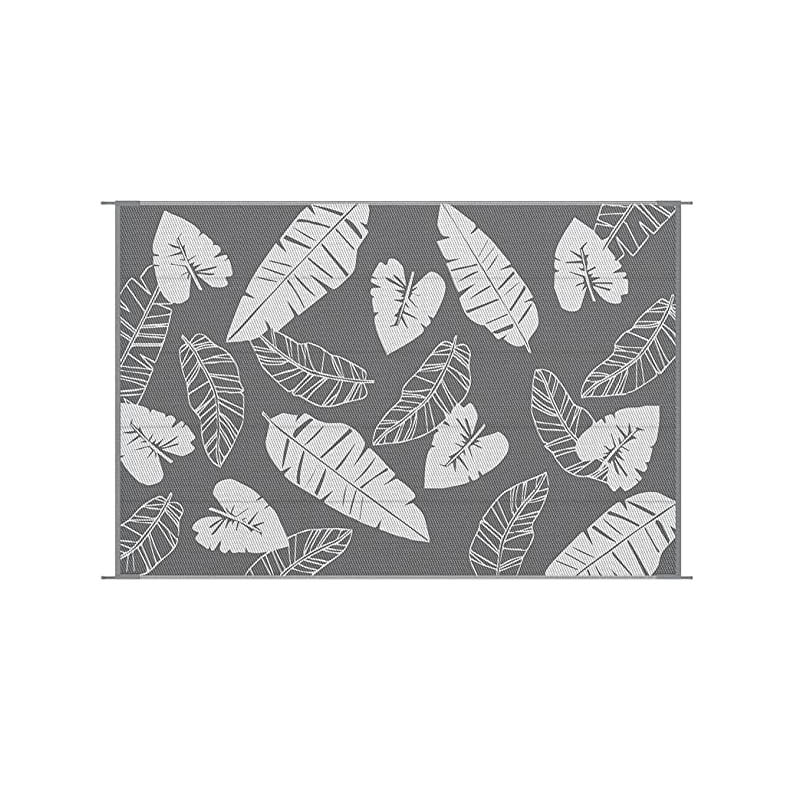
Lightweight Polypropylene Plastic Outdoor RV Mat
 Quick View
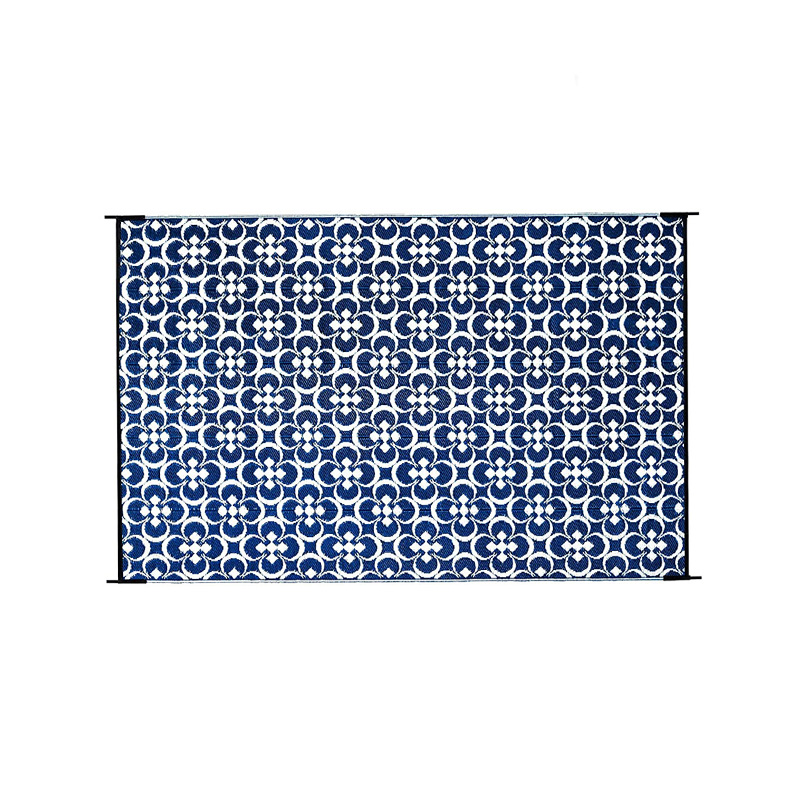
Large Foldable Anti-UV PP Weaving Straw RV Rug
 Quick View
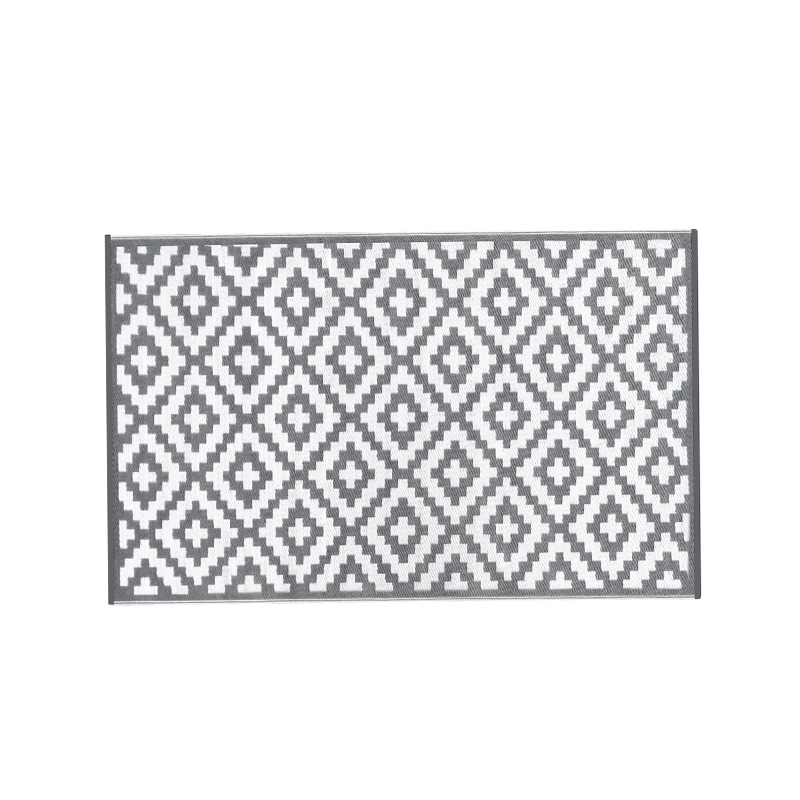
Recycled Moistureproof Plaid Outdoor Mat For RV
 Quick View
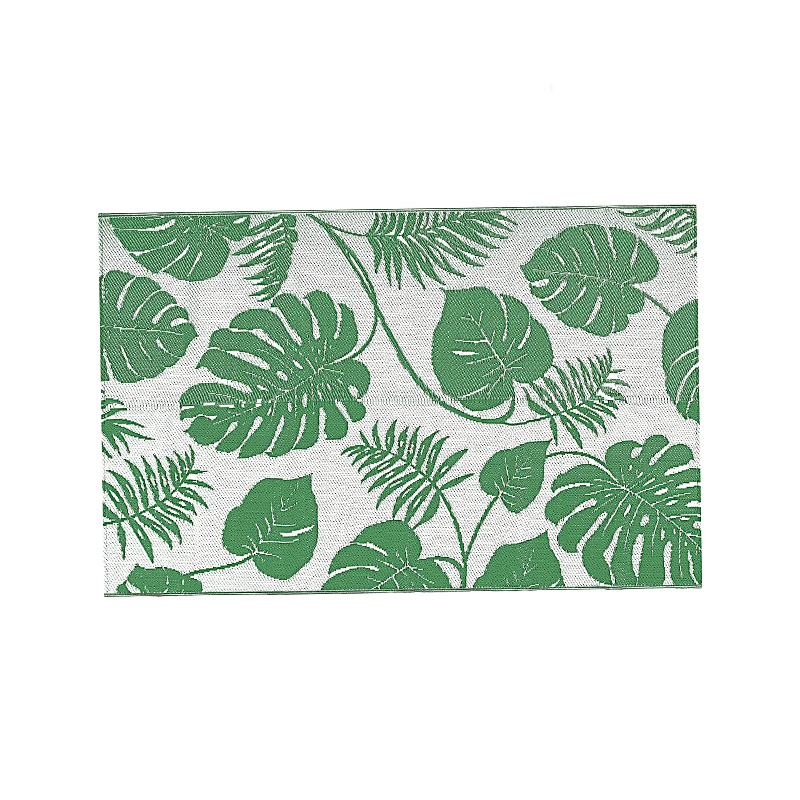
UV Resistant Patio Outdoor Rug
 Quick View
Durable Outdoor Polypropylene Mat For Patio
 Quick View
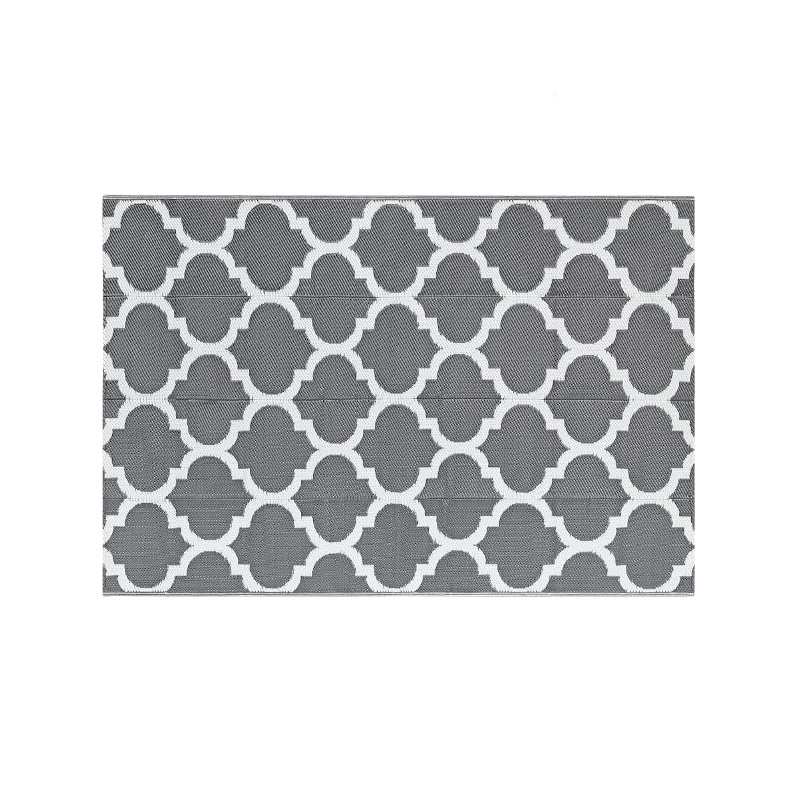
Recycled Plastic Straw Matting For Outside
 Quick View
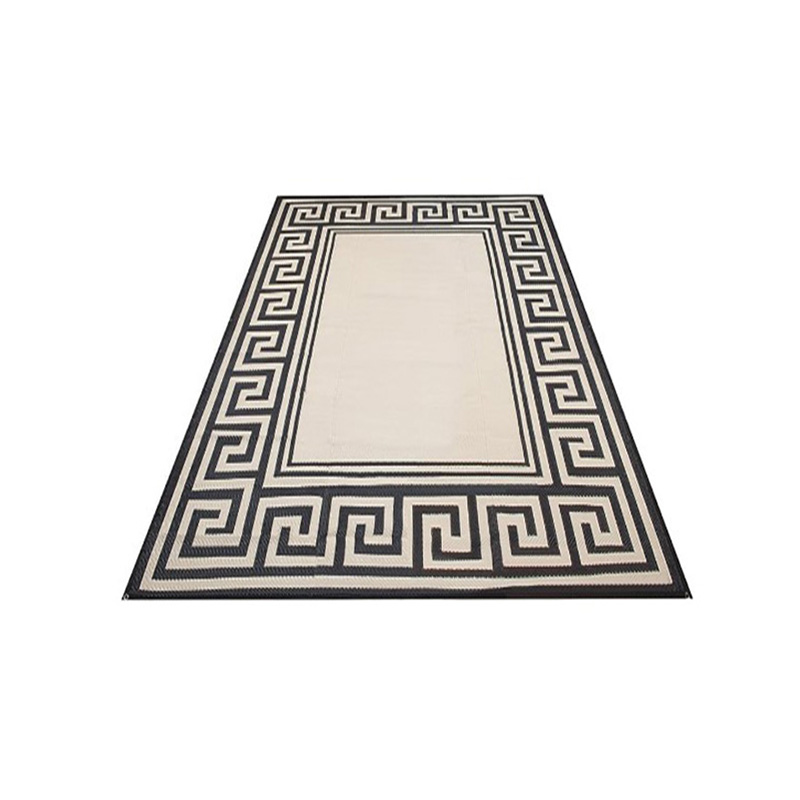
BSCI Audit PP Straw Camping Outdoor Rug
 Quick View
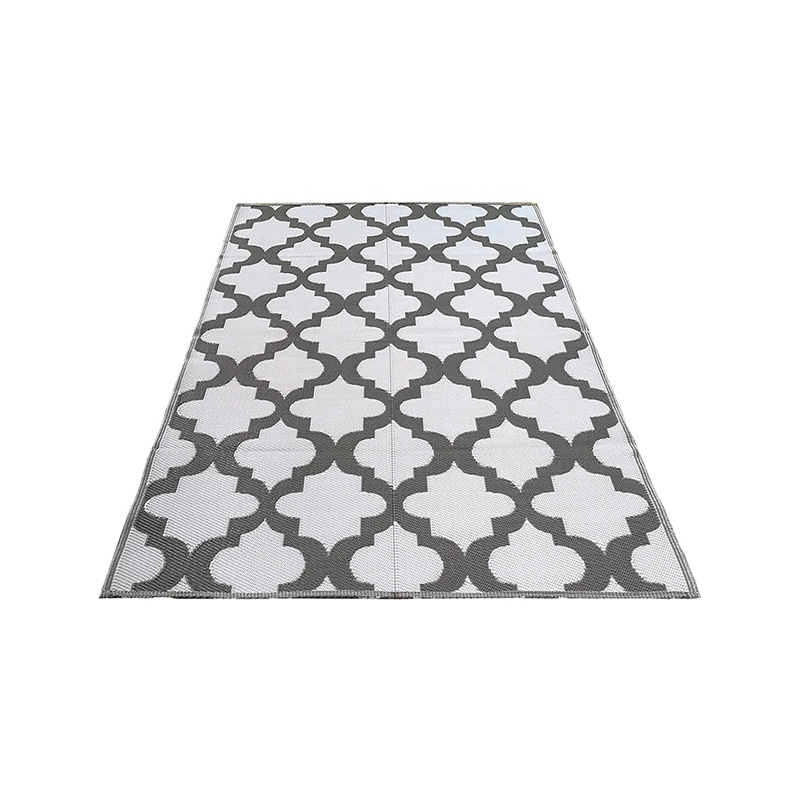
Plastic Matting Cheap PP Woven Recycled Campping Mats
About Us
Honor
-
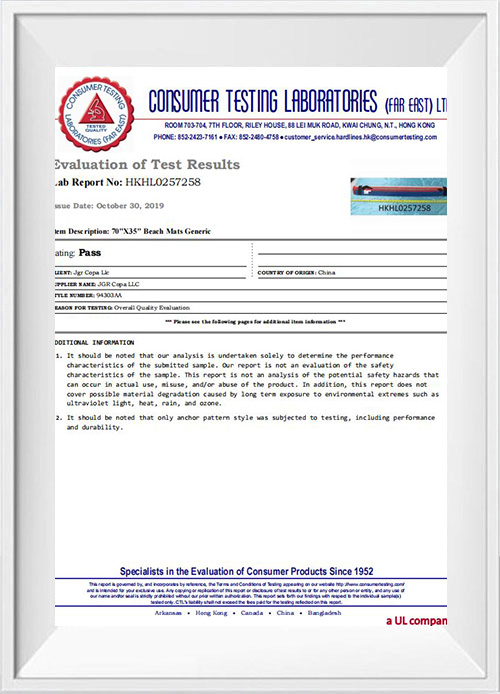 PROP
PROP -
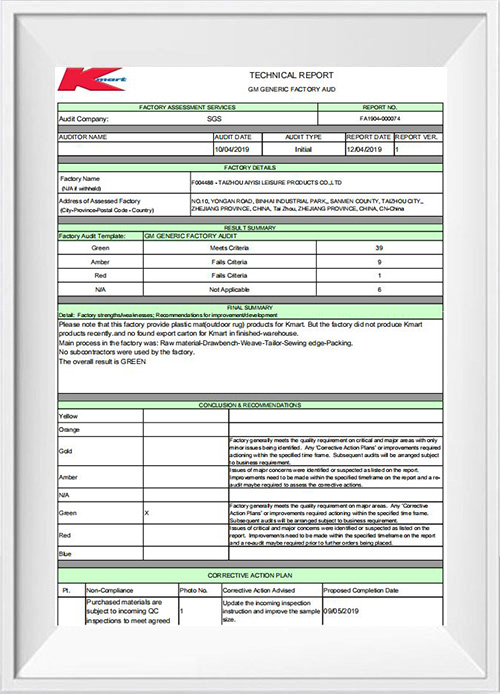 K-MART AUDIT
 -
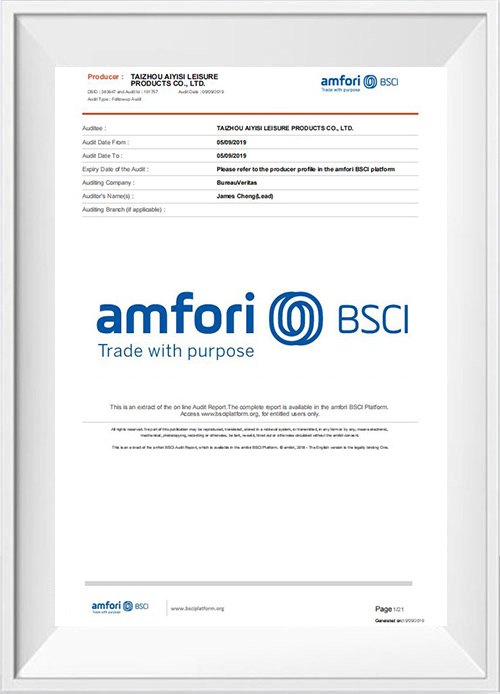 BSCI
BSCI
News
-
Industry News 2026-09-30
Global E-Commerce Outdoor Market Background Online shopping for outdoor living products continues to grow across North America, Eu...
View More -
Company News 2026-09-30
Canton Fair Preview Background The 140th China Import and Export Fair will take place in Guangzhou this October, bringing together...
View More -
Company News 2026-09-09
Global Outdoor Textile SupplyChain Background As outdoor leisure consumption surges across Europe, North America and Australia, gl...
View More -
Industry News 2026-09-04
Outdoor spaces are becoming more than empty areas beside a home. Patios, balconies, gardens, terraces, and small yards are often a...
View More -
Company News 2026-08-26
Taizhou, China – Following a productive participation in the 139th Canton Fair, Taizhou Aiyisi Leisure Products Co., Ltd. has rein...
View More

- FAX : 86-0576-83352177
- E-mail : [email protected]
- Phone : +86-0576-83207588
- Add: No.10 Yongan Road, Binhai industrial park, Sanmen County, Taizhou City, Zhejiang, China.
If you are interested in our carpets, please fill out the form to contact us and we will get back to you as soon as possible.
 Facebook
 Youtube
 Twitter
 Instagram
Copyright © Taizhou Aiyisi Leisure Products Co., Ltd. All Rights Reserved.

High Quality Plastic Matting Cheap PP Woven Recycled Campping Mats Exporter