

 English
 Deutsch


Don't hesitate to send a message
Search
Recent Post
Newsletter
Sustainable Outdoor Living with Recycled Plastic Patio Rugs
Awareness around protecting natural resources keeps growing all the time. This pushes more focus onto ways of shaping living areas that feel welcoming while still thinking carefully about the materials involved. Outdoor spaces especially need coverings that can take sun, rain, and regular foot traffic without putting extra strain on the environment. Recycled plastic patio rugs catch attention because they give new life to plastic that already exists, turning it into practical surfaces for patios, decks, and garden spots. The whole approach starts with stuff already out there, gets it cleaned up, and reshapes it into flat pieces built for open air. In the end the result brings solid strength against shifting weather along with a texture that just makes spending time outside feel more comfortable and natural.
The Benefits of Recycled Plastic Patio Rugs
Recycled plastic patio rugs give people a real alternative that steps away from always starting with brand new stuff. Instead they pull from plastic that has already gone through one life and gets brought back around. The whole thing starts with gathering up what would normally get tossed, cleaning it properly, and then reshaping it into tough flooring built specifically for outside use. Picking these rugs means less ends up piling up in landfills, and it keeps materials moving in circles where they find fresh purposes instead of just stopping cold. When you lay them down in spots meant for kicking back or hanging out with others, a bunch of practical upsides start showing themselves pretty quickly.
Durability comes across clearly because the surface holds its color well even after sitting under strong sun for a long stretch, and it does not give mold or mildew much room to take hold in damp spots. The patterns and shades stay pretty true through months and months of weather beating on them, so the rug keeps looking decent without suddenly going dull or patchy. That kind of steady performance really helps on ground that swings back and forth between wet days and dry ones all the time.
Low maintenance feels like one of the biggest everyday wins. Most dirt and little bits of leaves or debris just rinse right off with a plain hose down in normal situations. There is rarely any need for fancy cleaners or long drying times afterward, which fits nicely when life stays busy but the patio or deck still gets used a lot. The fast cleanup means the area stays ready to go without constantly pulling attention away from actually sitting outside and enjoying it.
Environmental gains sneak in through the simple act of giving old plastic another job instead of letting it sit unused somewhere. Every rug like this quietly chips away at the need for making everything from scratch and helps ease the overall load on waste systems. It adds to a way of doing things that prefers keeping materials in play rather than throwing them out and starting fresh every single time.
Style and comfort come together in ways that feel surprisingly natural. The textures run from soft weaves that quietly remind you of things found outdoors to stronger patterns that stand out a bit more. Underfoot, there is a gentle softness that makes it nice for pulling up a chair, setting down a low table, or walking around without shoes. Hard surfaces that used to feel unforgiving suddenly turn into places where people actually want to stick around longer.
Incorporating Plastic Straw Patio Rugs into Your Outdoor Space
Plastic Straw Patio Rugs are just one way in the wider world of recycled plastic coverings. They take straw-like bits and weave them into a surface that has its own feel and catches the light a little differently. That gives the outdoor area a fresh look without having to redo the whole space. A couple of easy ideas make it simple to drop these rugs into whatever you already have going on outside.
Putting a bigger one smack in the middle helps set up a spot for people to gather and makes the area feel wrapped in and cozy, good for sitting down to eat or just chatting. It lines up the stuff around it nicer and creates a warm center that pulls you in.
Mixing up sizes and soft pattern changes adds a bit of movement and layers that keep things interesting without everything fighting each other. You can shift things around later when your needs change, so the whole setup stays easy and feels like it belongs to you.
Using thinner strips as borders helps separate garden beds from paths or quietly shows where one area ends and another starts, like between the eating spot and a quieter corner. These soft edges guide how you walk around and give some shape without putting up anything heavy or permanent.
Layering one over wood or stone underneath adds extra softness and a nice contrast that makes the whole place feel richer. The combo makes it more comfortable to stay outside longer and creates a welcoming depth from how the materials work together.
Outdoor Plastic Straw Patio Rugs: A Sustainable Choice for Outdoor Living
Outdoor plastic straw patio rugs bring together real daily usefulness and smart material choices for places that sit open to the weather. They stand up pretty well when conditions change and need almost no extra fuss to keep looking good, while the fact they come from reused stuff helps take some pressure off waste piles. When you go to choose one, the main thing is making sure the size and shape actually fit the spot you have and play nice with whatever furniture or plants are already there, so the rug makes the area flow better instead of messing it up.
Scale and shape really count because they let the rug settle in without weird empty gaps or making you rearrange everything around it. There are plenty of different options out there to fit all sorts of setups, whether you need something small just for an accent or something wider to cover more ground.
Colors and the way the surface looks let you match it to what' s around it, from soft neutral tones that quietly blend into the green to brighter shades that wake the whole zone up. Picking the right one makes the rug feel like it was always meant to be there instead of something just thrown in at the last minute.
Paying attention to how the rug is put together helps make sure the weave stays solid even after sitting outside through all kinds of seasons and weather changes. That kind of steady reliability means you don' t have to swap it out so often and the performance stays even without big drops.
Guidance from groups that keep an eye on environmental standards can steer you toward versions that were handled with more care about the overall impact, so the choice lines up with wanting real reuse and a lighter footprint in the long run.
| Aspect | Recycled Plastic Patio Rugs Approach | Traditional Outdoor Flooring Approach |
|---|---|---|
| Source of Materials | Draws from already used plastic | Relies more on new production or raw inputs |
| Resistance to Elements | Stands up to sunlight, moisture, and growth | Often shows quicker signs of wear or fading |
| Daily Care Needs | Simple water rinse usually suffices | May involve brushing, washing, or airing |
| Contribution to Waste | Helps redirect plastic from disposal | Provides less direct reuse benefit |
| Underfoot Experience | Delivers soft, textured cushioning | Varies widely but can feel harder outdoors |
| Color and Pattern Retention | Holds appearance steadily over seasons | Tends to shift or dull with prolonged use |
Recycled plastic patio rugs along with plastic straw and outdoor plastic straw variations extend beyond basic covering to express ongoing awareness of how material choices ripple outward. Their combination of resilience, straightforward care, varied aesthetics, and reuse foundation supports outdoor areas that remain comfortable and functional while fitting into patterns that slow resource depletion. Over repeated seasons the rugs quietly enable more time spent outside with less interruption from maintenance or replacement concerns. The overall effect encourages layouts that feel welcoming, practical, and aligned with broader efforts to handle materials responsibly without sacrificing daily ease or visual harmony. Spaces shaped this way tend to hold their appeal longer because the coverings adapt to real conditions rather than demanding ideal ones.
OUR PRODUCTS
Recommended Products
-
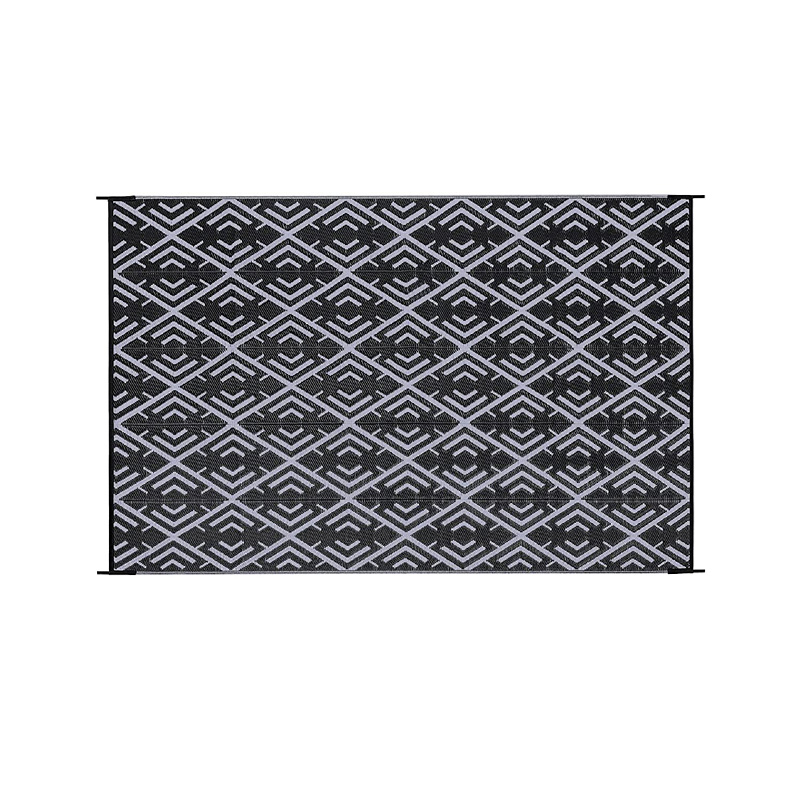
Lightweight Polypropylene Plastic Outdoor RV Mat
For RV owners, the ground space outside the vehicle quickly becomes part of daily living. A good out...
-
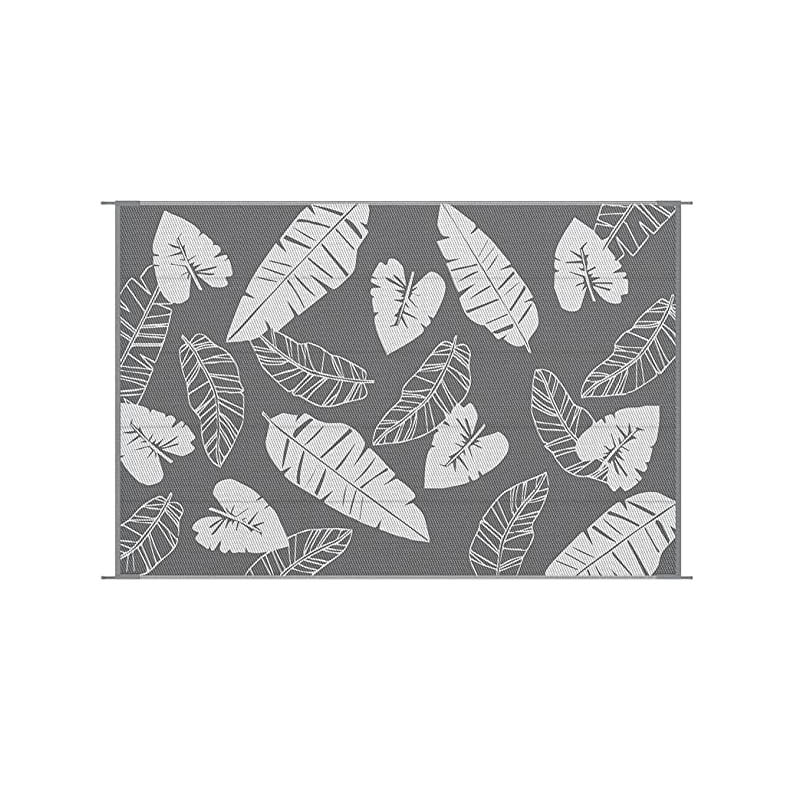
Large Foldable Anti-UV PP Weaving Straw RV Rug
When RV users set up an outdoor living area, the mat is often one of the first items placed beside t...
-
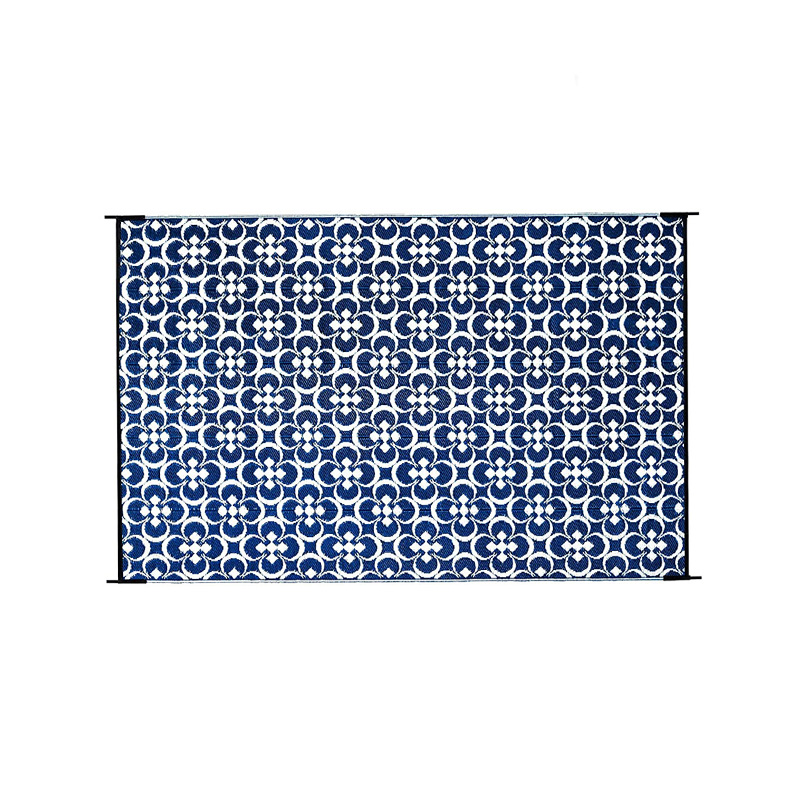
Recycled Moistureproof Plaid Outdoor Mat For RV
Features Heavy-Duty & High Quality & Durability: Our heavy-duty reversible RV mats are made ...
-
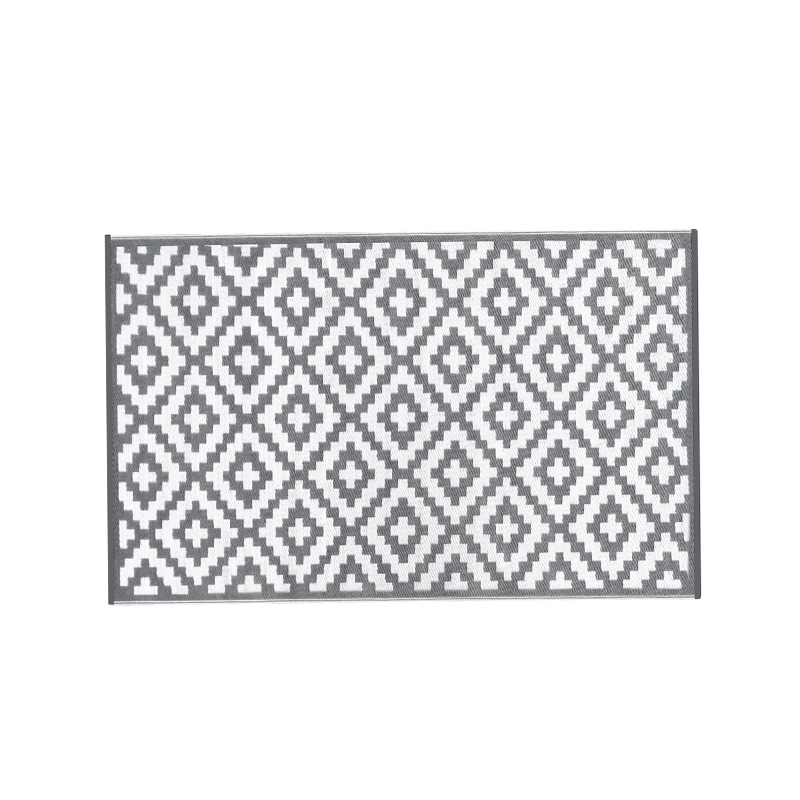
UV Resistant Patio Outdoor Rug
Elevate your outdoor spaces with the UV Resistant Patio Outdoor Rug from Aiyisi, thoughtfully design...
-
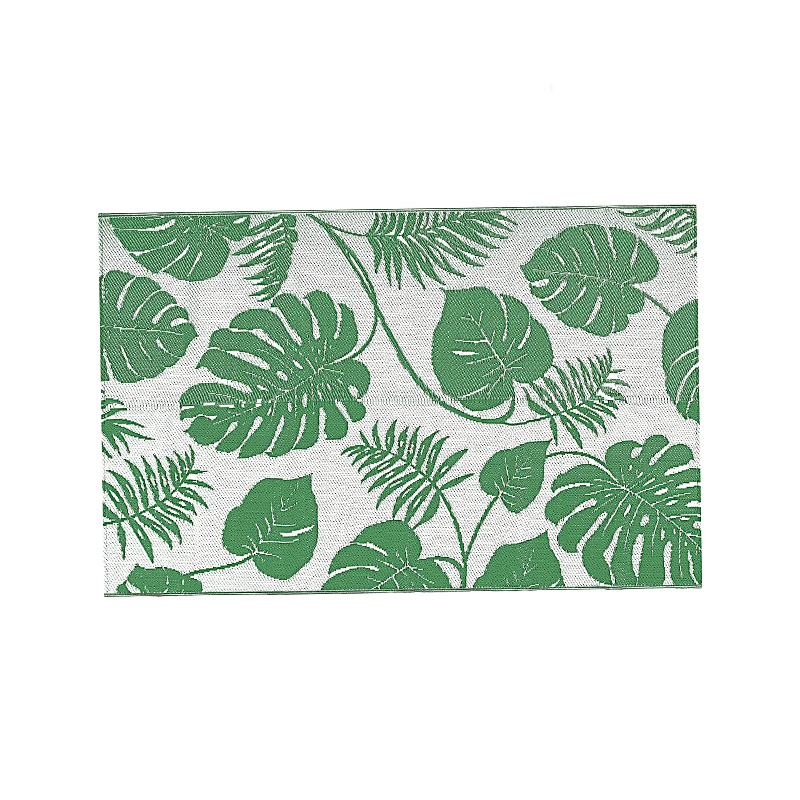
Durable Outdoor Polypropylene Mat For Patio
Features Reversible Outdoor Rug: The outdoor plastic straw rug with timeless medallion design is ele...
-
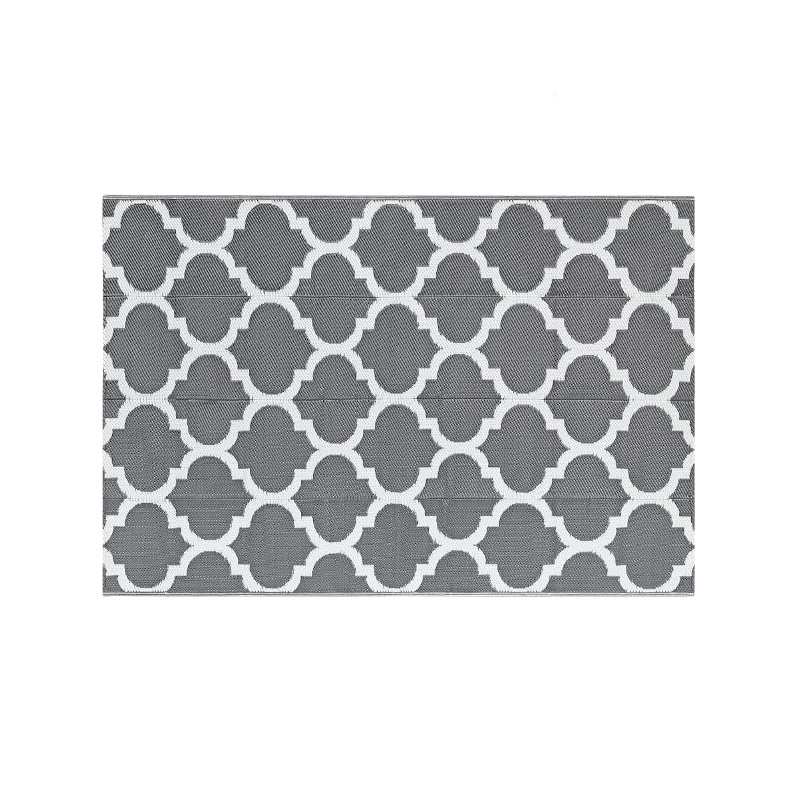
Recycled Plastic Straw Matting For Outside
Built for spaces that see real outdoor living, this recycled plastic straw mat adds a finished look ...
-
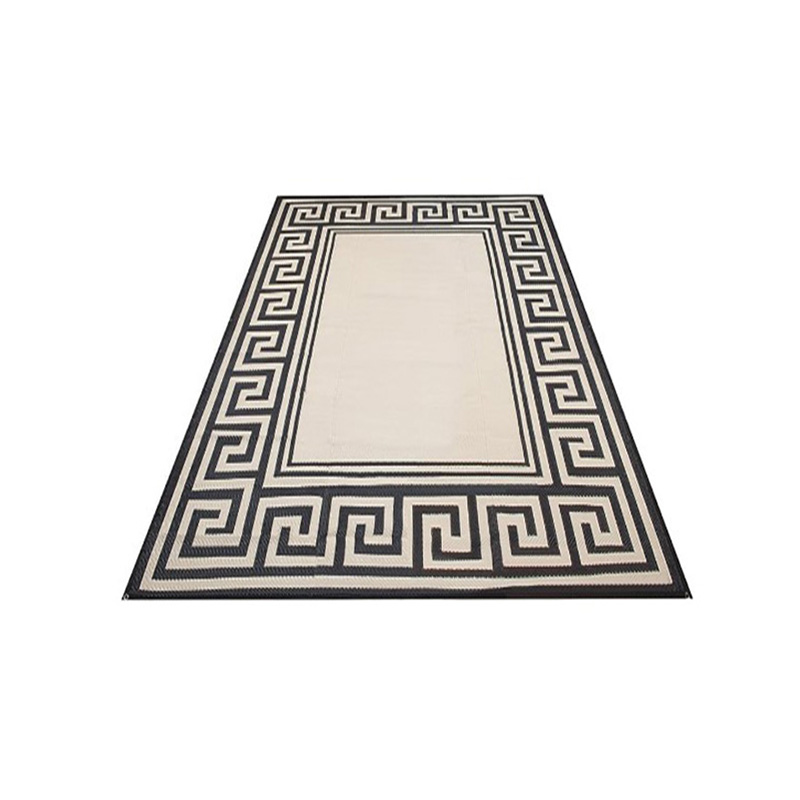
BSCI Audit PP Straw Camping Outdoor Rug
Description Introducing the BSCI Audit PP Straw Camping Outdoor Rug by AIYISI, an outdoor gear manuf...
-
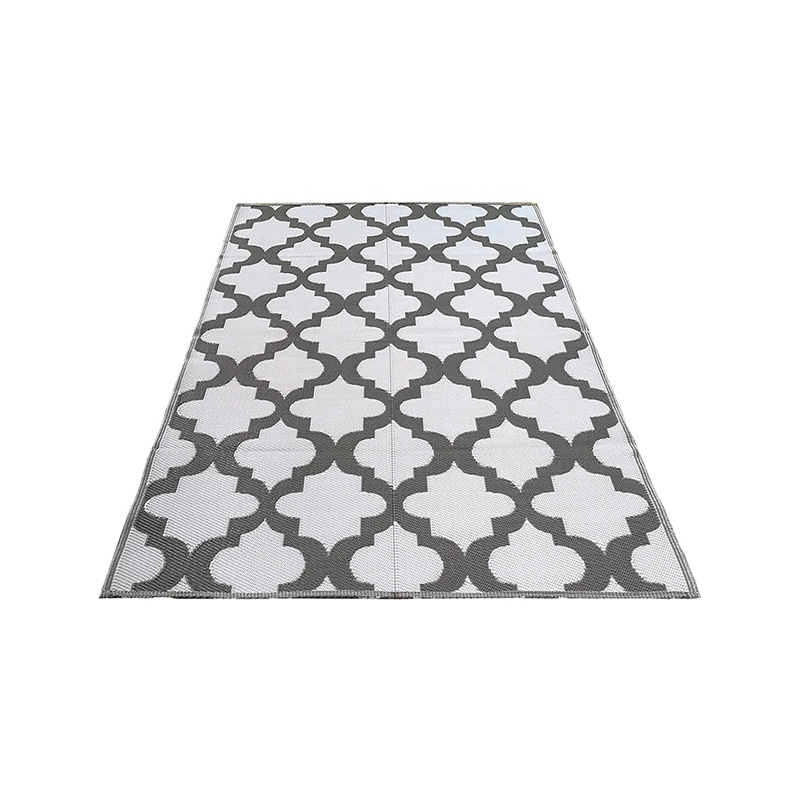
Plastic Matting Cheap PP Woven Recycled Campping Mats
This plastic matting offers a practical choice for outdoor activities with its construction from rec...

- FAX : 86-0576-83352177
- E-mail : [email protected]
- Phone : +86-0576-83207588
- Add: No.10 Yongan Road, Binhai industrial park, Sanmen County, Taizhou City, Zhejiang, China.
 Facebook
 Youtube
 Twitter
 Instagram