

 English
 Deutsch

Don't hesitate to send a message
Search
Recent Post
Newsletter
Efficient Ways To Clean a Portable Plastic Beach Mat
Understanding Common Contaminants
- Sand Accumulation: Sand is a common contaminant on Portable Plastic Beach Mats. It clings to the surface and creases, making removal challenging.
- Food and Drink Spills: Beach outings often involve snacks and beverages. Spilled liquids or crumbs can leave stains.
- Dirt and Grass Stains: When used on grass or picnic areas, mats can pick up soil, mud, or plant debris.
- Saltwater and Sweat Residue: Salt and moisture from the beach or body can leave a sticky film if not cleaned promptly.
Initial Cleaning Techniques
Shaking Off Loose Debris:
- Fold or roll the mat and shake vigorously to remove loose sand and dirt.
- Tap both sides of the mat on a flat surface to loosen stubborn particles.
Brushing Method:
- Use a soft-bristle brush or broom to sweep sand and dirt off the surface.
- Brush along the mat’s grain or weave to avoid pushing particles deeper into creases.
Quick Cleaning With Water
Rinsing With Freshwater:
- Lay the mat flat and rinse with a hose or bucket of clean water.
- Ensure water flows across the mat’s surface to carry away sand and residues.
Using a Spray Bottle:
- For portable mats, a spray bottle can help target specific spots like food stains or sticky areas.
- Spray water evenly and let gravity help remove loosened dirt.
Avoid High-Pressure Water Damage:
- High-pressure washers may damage thin mats or cause small tears.
- Moderate water pressure is sufficient for cleaning contaminants.
Soap and Cleaning Solutions
Mild Detergents:
- Use a gentle dish soap or liquid detergent mixed with water to clean stubborn stains.
- Apply with a soft cloth, sponge, or brush.
Targeted Spot Cleaning:
- For localized stains like ketchup or juice, apply the solution directly to the affected area.
- Let it sit for a few minutes before rinsing.
Natural Alternatives:
- Baking soda paste can help remove grease or odor without harsh chemicals.
- Vinegar solution can assist in removing salt or mineral deposits.
Drying and Storage Tips
Air Drying:
- Hang the mat or lay it flat in a shaded area to air dry completely.
- Ensure both sides are dry to prevent mold or mildew growth.
Avoid Direct Sunlight for Extended Periods:
Prolonged exposure can fade colors or weaken plastic fibers.
Rolling and Storing:
- Roll the mat loosely and store it in a ventilated bag.
- Avoid folding tightly as creases can trap sand or promote cracking over time.
Preventive Measures for Easier Cleaning
- Shake and Brush Immediately After Use: Removing sand and dirt immediately prevents accumulation and reduces cleaning time later.
- Use a Towel Layer: Place a thin towel or cloth under the mat to catch excess dirt and moisture.
- Keep Food and Drinks in Containers: Reduces spills and sticky stains, simplifying post-use cleaning.
Advanced Cleaning Options
- Portable Vacuum Devices: Small handheld vacuums can remove embedded sand from textured mats efficiently.
- Dishwasher Cleaning (If Applicable): Some small, foldable plastic mats are dishwasher safe. Check manufacturer guidelines before use.
- UV Sanitizing: For public beach use, UV sanitizers can help eliminate bacteria on the mat’s surface after washing.
Maintaining a clean Portable Plastic Beach Mat enhances hygiene, prolongs its lifespan, and ensures a comfortable beach experience. By combining simple techniques such as shaking, brushing, rinsing, and targeted soap cleaning, you can quickly remove sand, stains, and dirt. Drying properly and adopting preventive measures like immediate cleaning and protective layers reduces future effort. With these strategies, beachgoers can enjoy a clean, safe, and ready-to-use mat every time they head outdoors.
OUR PRODUCTS
Recommended Products
-
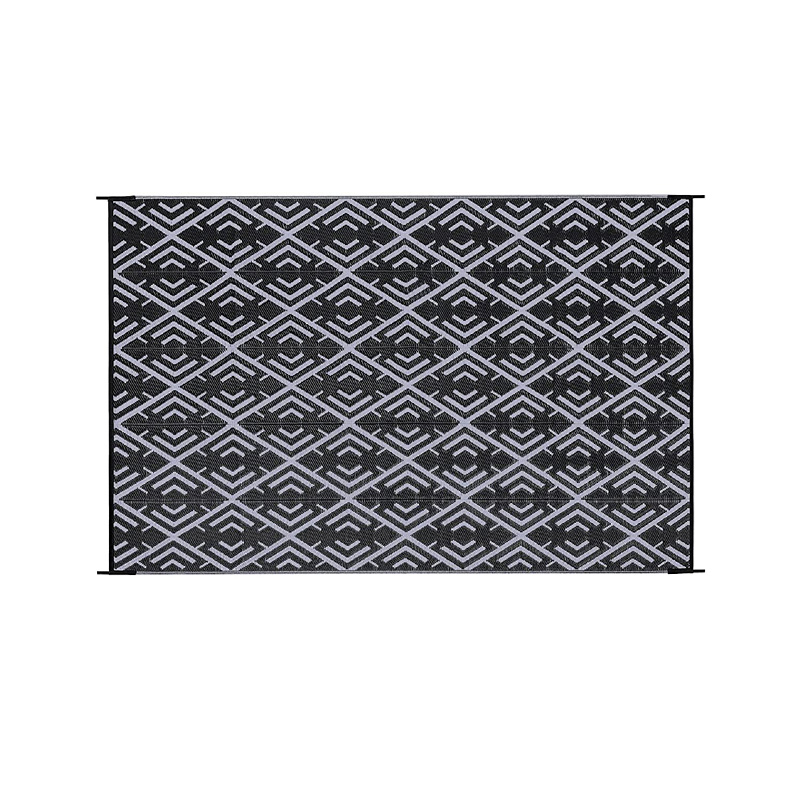
Lightweight Polypropylene Plastic Outdoor RV Mat
For RV owners, the ground space outside the vehicle quickly becomes part of daily living. A good out...
-
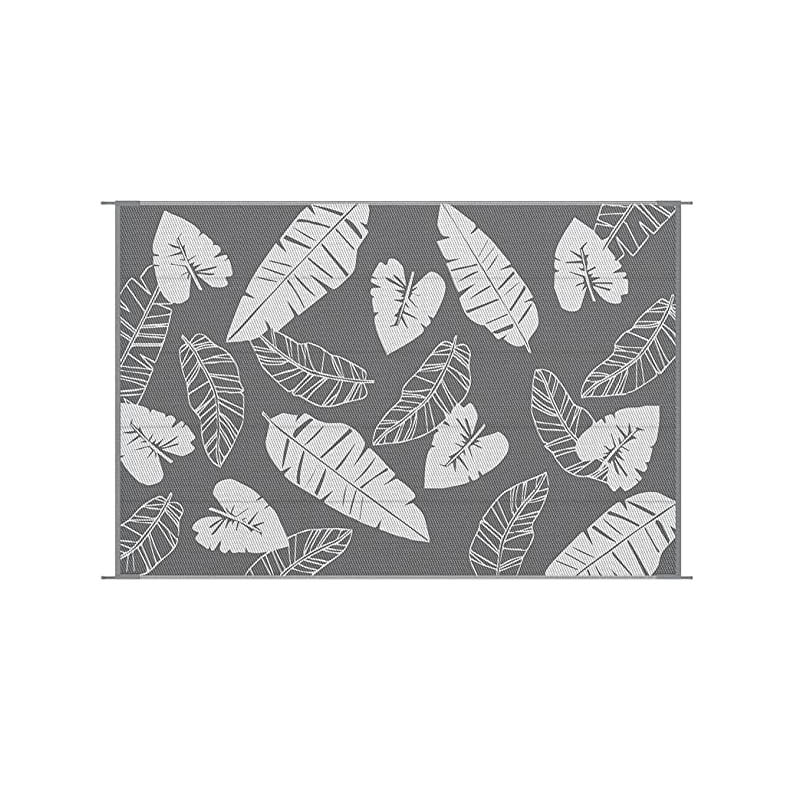
Large Foldable Anti-UV PP Weaving Straw RV Rug
When RV users set up an outdoor living area, the mat is often one of the first items placed beside t...
-
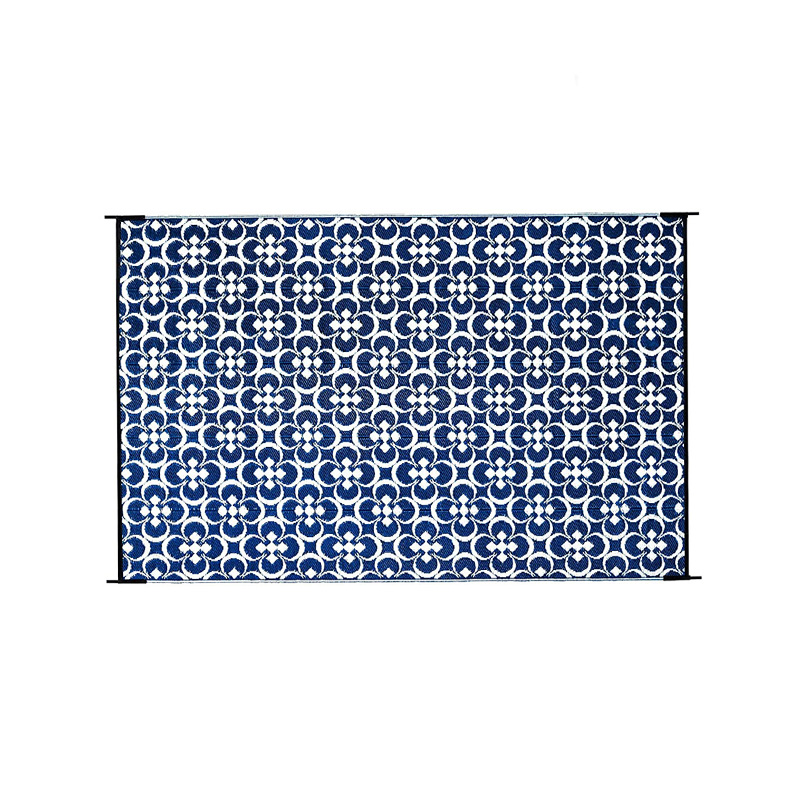
Recycled Moistureproof Plaid Outdoor Mat For RV
Features Heavy-Duty & High Quality & Durability: Our heavy-duty reversible RV mats are made ...
-
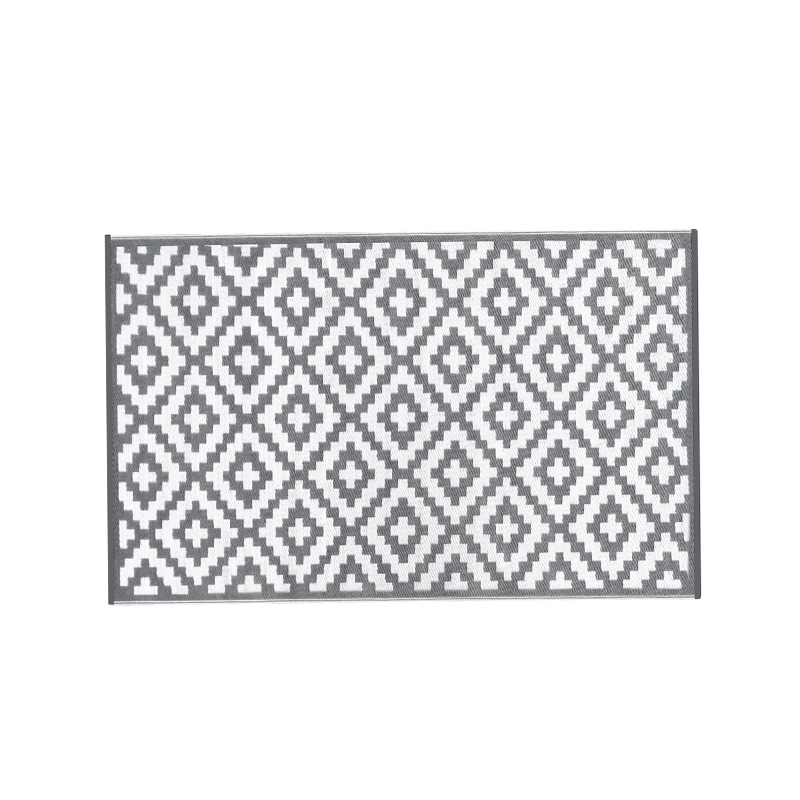
UV Resistant Patio Outdoor Rug
Elevate your outdoor spaces with the UV Resistant Patio Outdoor Rug from Aiyisi, thoughtfully design...
-
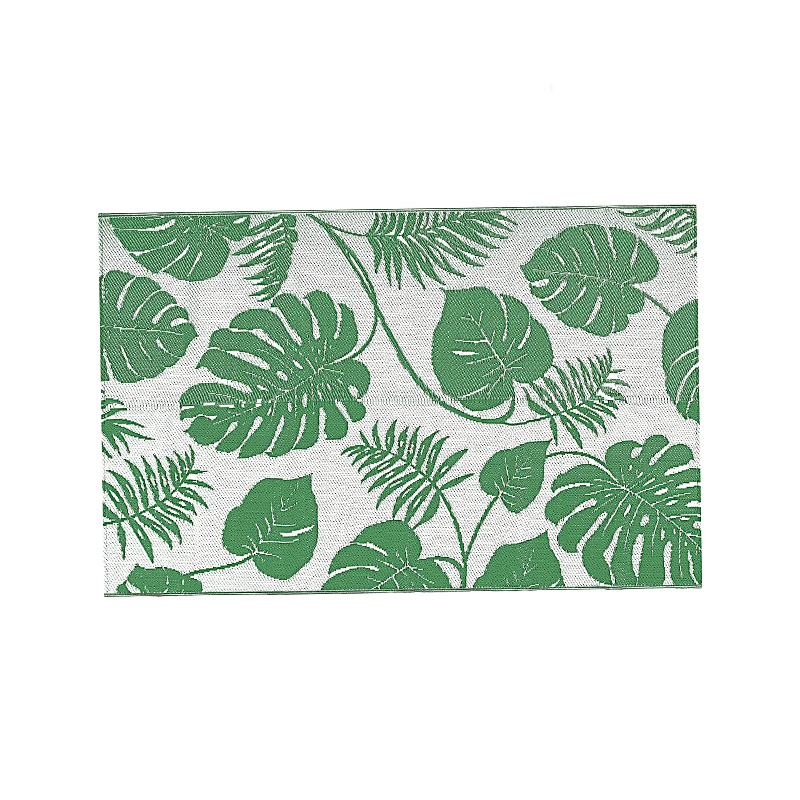
Durable Outdoor Polypropylene Mat For Patio
Features Reversible Outdoor Rug: The outdoor plastic straw rug with timeless medallion design is ele...
-
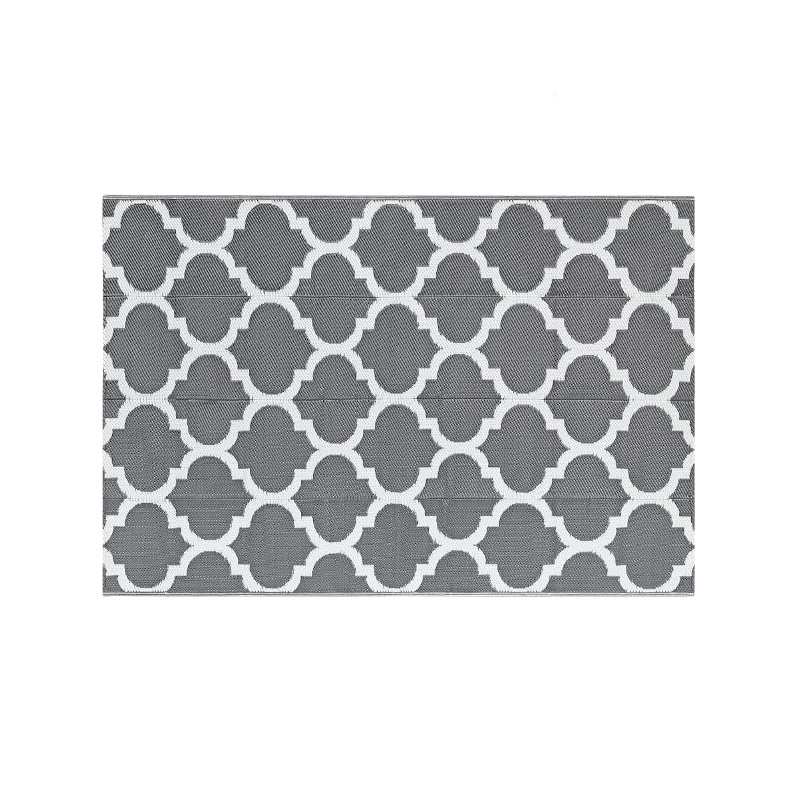
Recycled Plastic Straw Matting For Outside
Built for spaces that see real outdoor living, this recycled plastic straw mat adds a finished look ...
-
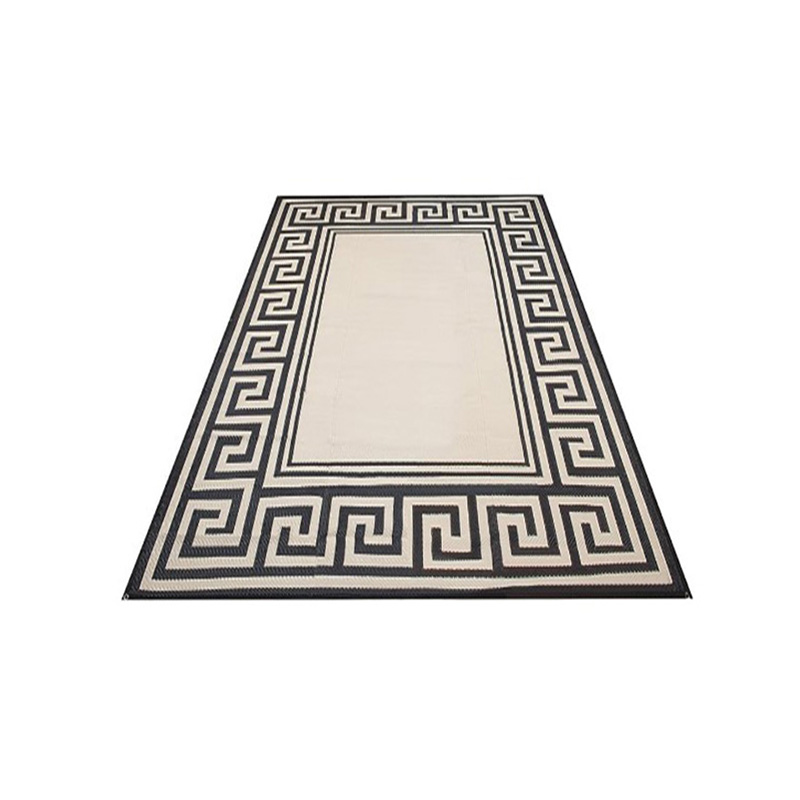
BSCI Audit PP Straw Camping Outdoor Rug
Description Introducing the BSCI Audit PP Straw Camping Outdoor Rug by AIYISI, an outdoor gear manuf...
-
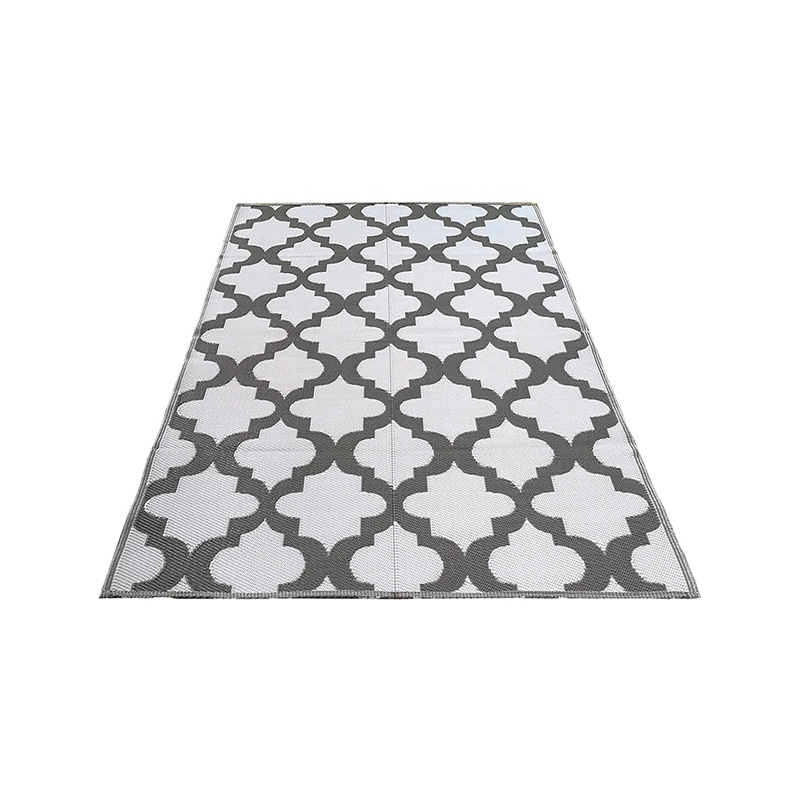
Plastic Matting Cheap PP Woven Recycled Campping Mats
This plastic matting offers a practical choice for outdoor activities with its construction from rec...

- FAX : 86-0576-83352177
- E-mail : [email protected]
- Phone : +86-0576-83207588
- Add: No.10 Yongan Road, Binhai industrial park, Sanmen County, Taizhou City, Zhejiang, China.
 Facebook
 Youtube
 Twitter
 Instagram