

 English
 Deutsch

Don't hesitate to send a message
Search
Recent Post
Newsletter
Engineered for Sun, Salt, and Sand
A Portable Plastic Beach Mat must endure one of tough natural environments: the shoreline. Beaches combine three powerful degrading forces that quickly damage ordinary materials.
- Saltwater corrosion accelerates chemical reactions that weaken low-grade plastics and metal parts.
- Ultraviolet radiation breaks down polymer chains, causing fading, brittleness, and cracking.
- Sand abrasion creates continuous friction that gradually thins and scratches surfaces.
To survive repeated beach use, a mat must rely on advanced material composition and structural reinforcement rather than simple thickness.
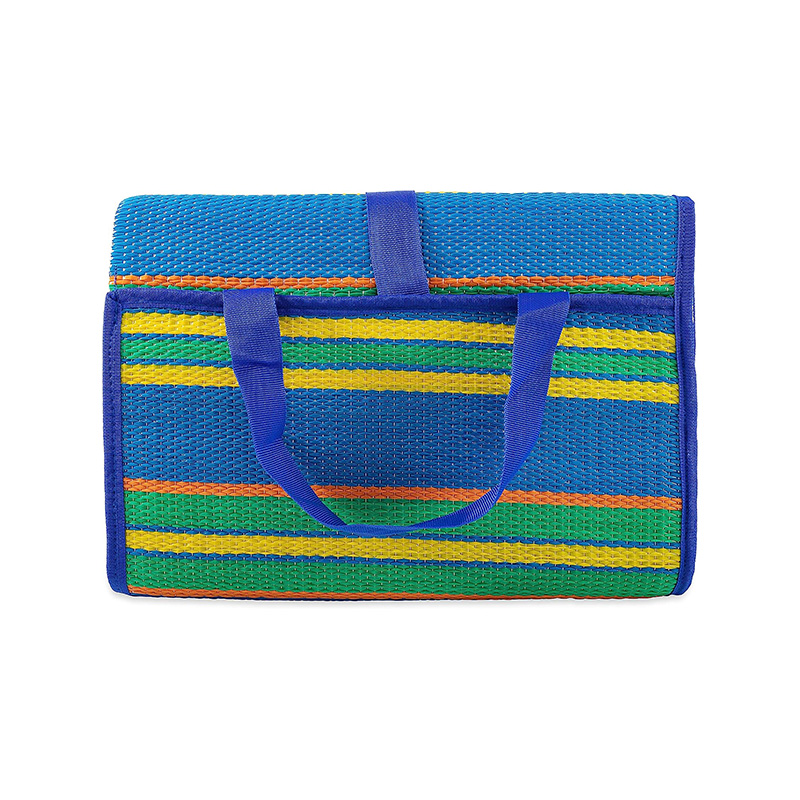
Saltwater Resistance Through Material Selection
Saltwater contains dissolved minerals that can penetrate weak materials and speed up deterioration. The foundation of resistance lies in polymer choice.
- Hydrophobic plastics: Polyethylene (PE) and polypropylene (PP) repel water naturally, preventing swelling or softening.
- Chemical stability: These polymers resist ionic reactions with salt, maintaining structural strength over time.
- Non-corrosive construction: Eliminating exposed metal parts removes the risk of rust entirely.
In addition, tightly woven or seamless molded designs reduce spaces where salt crystals could accumulate. When salt dries and expands, it creates stress points; minimizing retention areas helps preserve durability.
UV Protection and Anti-Aging Technology
Sunlight is often the destructive factor in outdoor conditions. Prolonged UV exposure breaks molecular bonds in plastic, causing material fatigue.
To counteract this, manufacturers incorporate protective technologies:
- UV stabilizers: These neutralize free radicals generated during sun exposure, slowing polymer breakdown.
- UV absorbers: Specialized additives convert harmful radiation into harmless heat.
- Colorfast pigments: Fade-resistant dyes maintain appearance while improving UV durability.
- Protective surface layers: Laminated coatings act as shields against direct radiation.
With these enhancements, a Portable Plastic Beach Mat retains flexibility and tensile strength even after extended exposure to intense sunlight.
Sand Abrasion and Surface Engineering
Sand may feel soft underfoot, but its fine particles act like microscopic sandpaper. Repeated movement grinds particles against the surface, gradually wearing it down.
Effective abrasion resistance depends on structural design:
- High-density polymer blends: Denser materials resist scratching and thinning.
- Textured or woven surfaces: Raised patterns distribute pressure and reduce friction concentration.
- Cross-weave reinforcement: Interlocking strands prevent small tears from spreading.
- Elastic flexibility: Flexible materials absorb stress during folding and rolling without cracking.
Balancing strength and flexibility is critical. Excess rigidity causes stress fractures, while controlled elasticity improves long-term resilience.
Edge Reinforcement and Stress Control
Edges experience concentrated tension from folding, pulling, and anchoring. Without reinforcement, deterioration often begins at the borders.
To strengthen these areas:
- Heat-sealed edges prevent unraveling and moisture intrusion.
- Folded or thickened borders increase durability at stress points.
- Reinforced corners distribute tension when securing the mat in windy conditions.
By controlling stress concentration, overall structural integrity improves significantly.
Maintenance as an Added Defense
Proper care enhances resistance to environmental damage.
- Rinse with fresh water after use to remove salt residue.
- Shake off sand thoroughly before folding.
- Allow complete drying before storage to reduce thermal stress.
Because plastic surfaces are non-porous, cleaning is quick and prevents long-term deterioration.
Durability in Harsh Conditions
Resisting seawater, UV rays, and abrasive sand requires a combination of chemical stability, protective additives, and reinforced construction. Hydrophobic polymers defend against salt, UV stabilizers guard against sunlight, and dense woven textures reduce sand damage.
Through integrated material engineering and thoughtful design, a well-made beach mat can withstand repeated coastal exposure while maintaining comfort and performance. This layered defense system ensures reliability season after season, even in demanding shoreline environments.
OUR PRODUCTS
Recommended Products
-
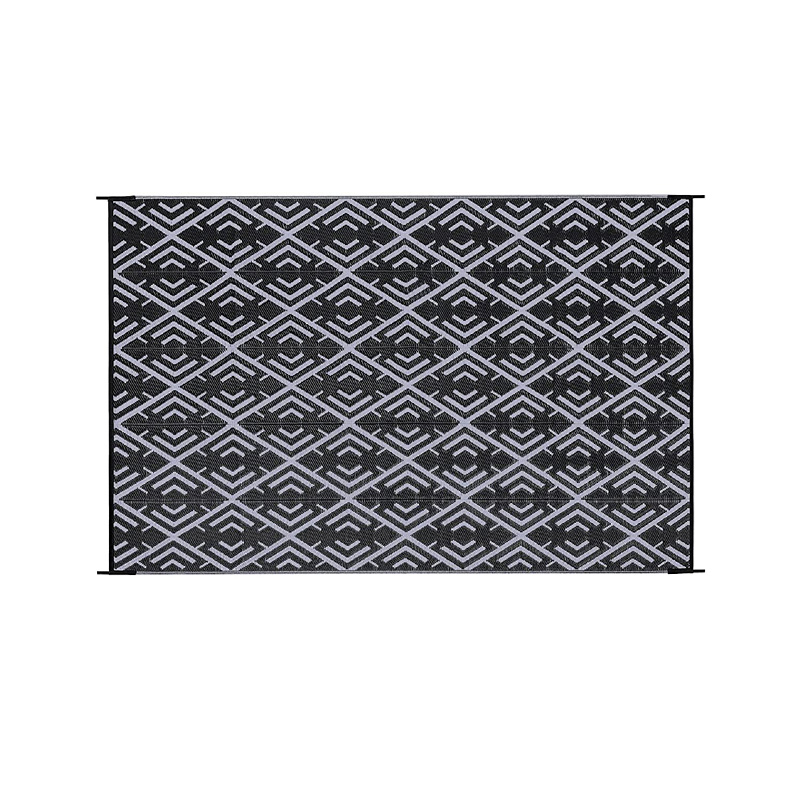
Lightweight Polypropylene Plastic Outdoor RV Mat
For RV owners, the ground space outside the vehicle quickly becomes part of daily living. A good out...
-
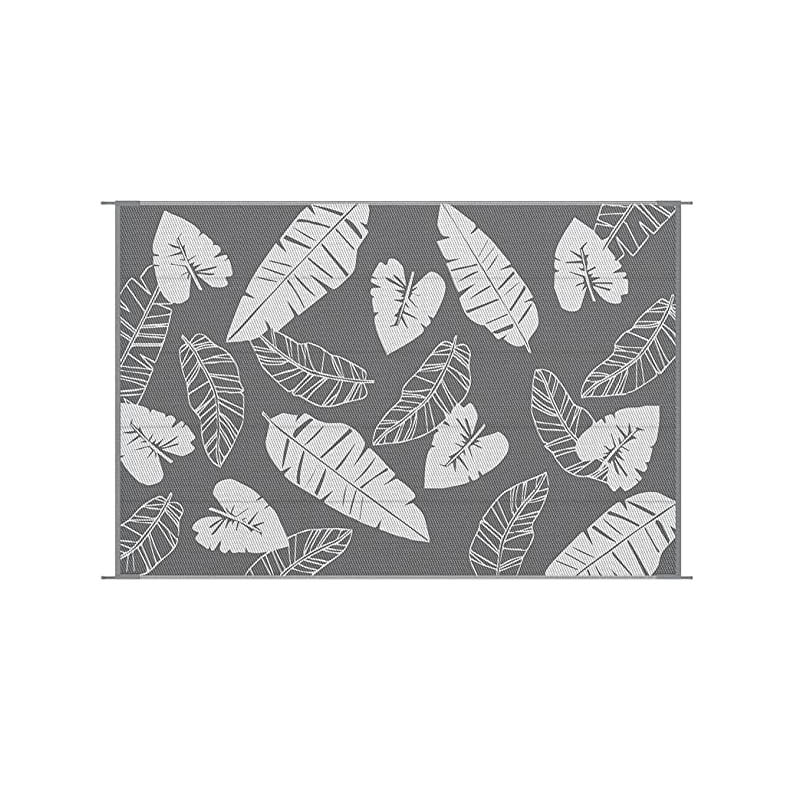
Large Foldable Anti-UV PP Weaving Straw RV Rug
When RV users set up an outdoor living area, the mat is often one of the first items placed beside t...
-
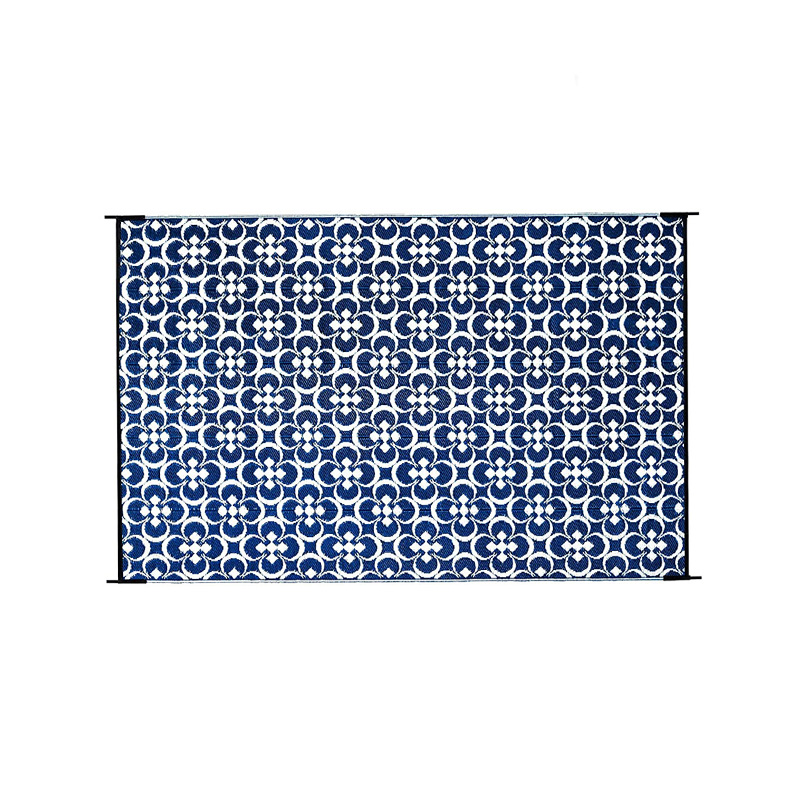
Recycled Moistureproof Plaid Outdoor Mat For RV
Features Heavy-Duty & High Quality & Durability: Our heavy-duty reversible RV mats are made ...
-
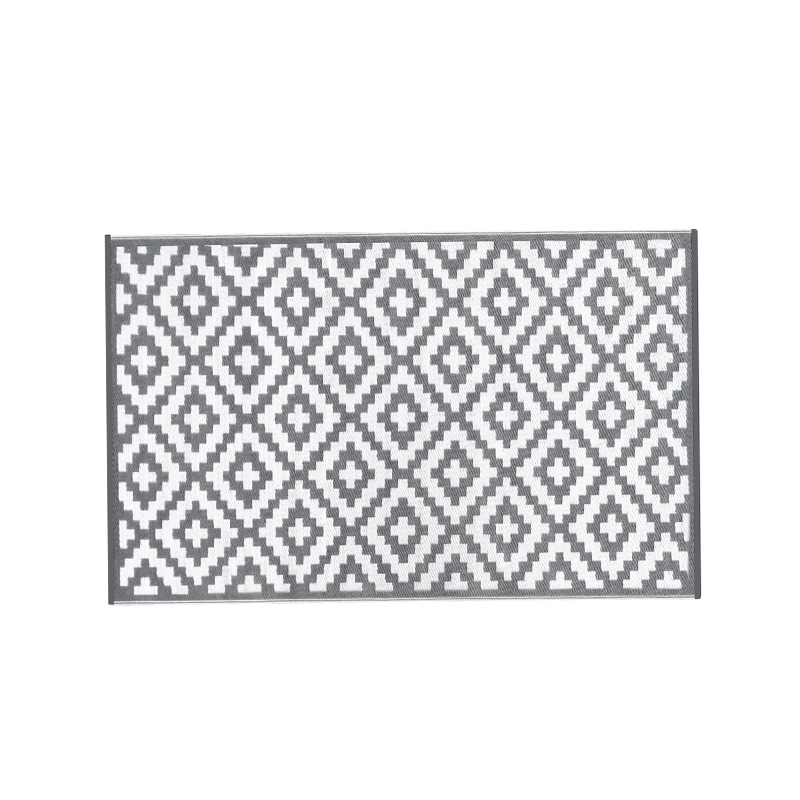
UV Resistant Patio Outdoor Rug
Elevate your outdoor spaces with the UV Resistant Patio Outdoor Rug from Aiyisi, thoughtfully design...
-
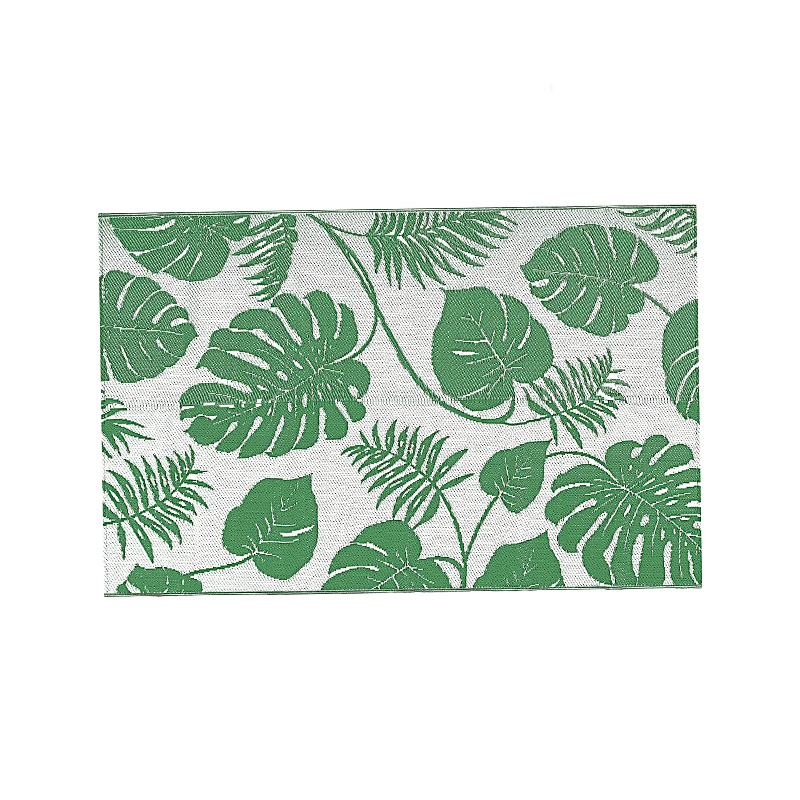
Durable Outdoor Polypropylene Mat For Patio
Features Reversible Outdoor Rug: The outdoor plastic straw rug with timeless medallion design is ele...
-
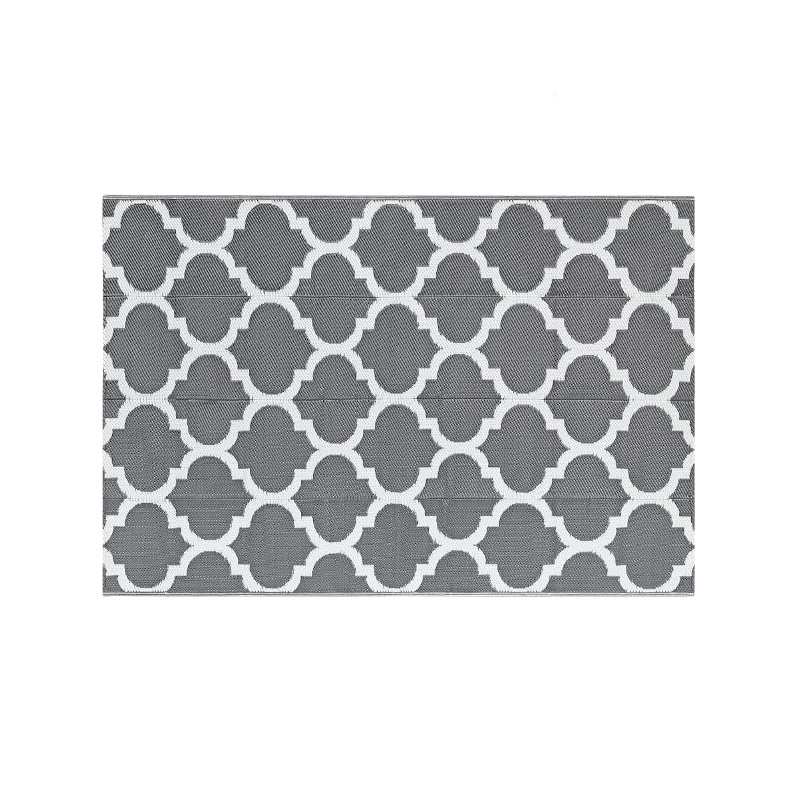
Recycled Plastic Straw Matting For Outside
Built for spaces that see real outdoor living, this recycled plastic straw mat adds a finished look ...
-
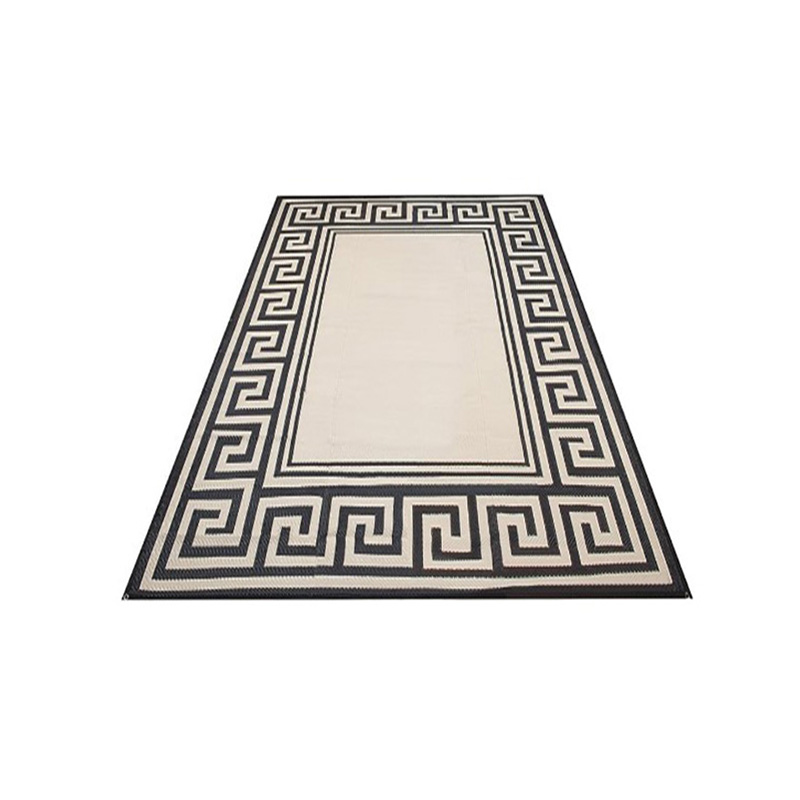
BSCI Audit PP Straw Camping Outdoor Rug
Description Introducing the BSCI Audit PP Straw Camping Outdoor Rug by AIYISI, an outdoor gear manuf...
-
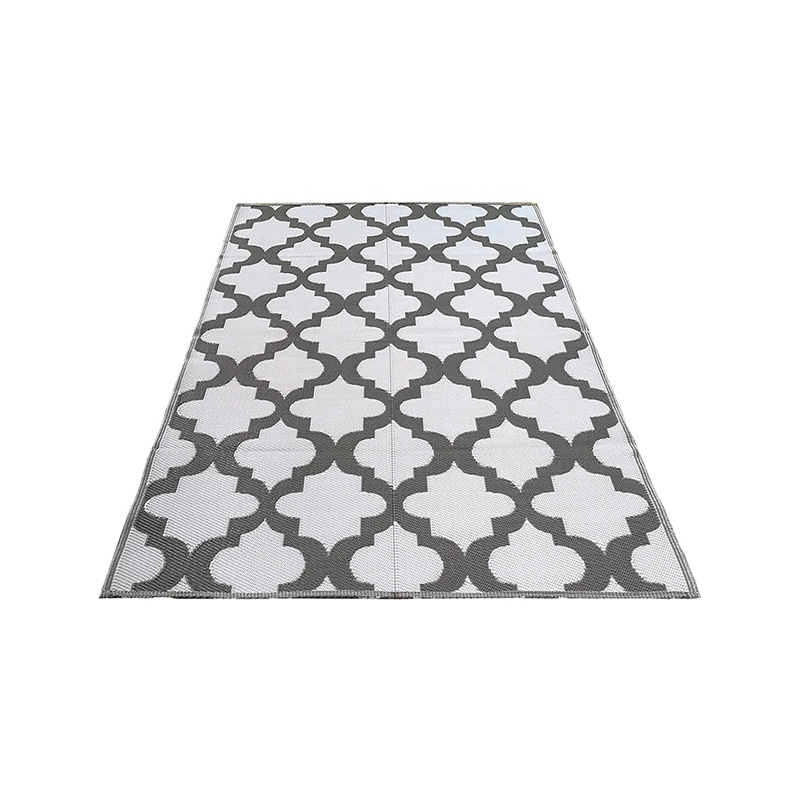
Plastic Matting Cheap PP Woven Recycled Campping Mats
This plastic matting offers a practical choice for outdoor activities with its construction from rec...

- FAX : 86-0576-83352177
- E-mail : [email protected]
- Phone : +86-0576-83207588
- Add: No.10 Yongan Road, Binhai industrial park, Sanmen County, Taizhou City, Zhejiang, China.
 Facebook
 Youtube
 Twitter
 Instagram