

 English
 Deutsch

Don't hesitate to send a message
Search
Recent Post
Newsletter
Heat Resistance And Durability Of PP Picnic Mats
Understanding PP Picnic Mats
- Material Composition: PP picnic mats are made from thermoplastic polymers that are lightweight, flexible, and resistant to moisture. These mats are designed for outdoor activities like picnics, beach outings, and camping.
- Environmental Benefits: Many mats are produced from recyclable materials, reducing environmental impact while maintaining durability.
- Manufacturer Standards: A reputable PP Picnic MatProducer ensures mats are treated with UV stabilizers and high-quality pigments to reduce fading, warping, and microbial growth.
High-Temperature Exposure and Deformation
Heat Sensitivity of Polypropylene:
- Polypropylene has a melting point around 160–170°C, but exposure to high sunlight can soften fibers, causing minor warping or curling.
- Mats left in direct sun for prolonged periods may experience slight surface deformation, especially thinner designs.
Preventive Design Features:
- UV-stabilized mats resist softening under typical outdoor temperatures.
- Thicker mats and reinforced edges reduce the risk of deformation.
Practical Tips:
- Avoid leaving mats on hot surfaces such as asphalt or sand heated by direct sunlight.
- Folding or rolling the mat during storage reduces uneven heat exposure.
Mold and Mildew Resistance
Moisture and Mold Growth:
- PP is inherently water-resistant and does not absorb moisture, which reduces the risk of mold.
- However, mats stored damp or exposed to rain without drying may develop mildew over time.
Cleaning Practices:
- Rinse mats after outdoor use and remove debris to prevent organic residue accumulation.
- Allow mats to air-dry completely before storage to prevent microbial growth.
Manufacturer Considerations:
A high-quality PP Picnic MatProducer incorporates anti-fungal treatments to further reduce mold formation.
Color Stability and Discoloration
1. UV-Induced Fading:
Prolonged exposure to direct sunlight can cause fading, particularly in mats with vibrant printed designs.
UV-stabilized dyes slow the color degradation process.
2. Chemical Exposure:
Harsh cleaning agents, bleach, or acidic substances may strip pigments and cause stains.
Mild soap and water maintain both cleanliness and color integrity.
3. Temperature Effects on Pigments:
High heat combined with sunlight can accelerate fading, but quality mats use heat-resistant pigments to prevent noticeable color change.
Maintenance Practices for Longevity
Proper Cleaning:
- Remove sand, dirt, and food residues promptly to avoid surface abrasion and microbial growth.
- Use soft brushes or sponges with mild detergent.
Drying Techniques:
- Air-dry mats flat or hang them in shaded, ventilated areas.
- Avoid stacking damp mats, as trapped moisture can encourage mold or odor.
Storage Recommendations:
Store mats in cool, ventilated spaces, away from direct sunlight to preserve both shape and color.
Practical Usage Tips
Rotation During Sun Exposure:
- Rotate mats periodically during outdoor activities to prevent uneven fading.
- Use mats on surfaces that do not overheat in direct sun.
Layering for Protection:
Place a thin cloth or towel underneath to reduce heat transfer and prevent scorching.
Avoid Sharp or Heavy Objects:
Heavy furniture or pointed items may stress fibers, causing deformation or localized tearing.
User Experience and Feedback
- Durability Reports: Users report that mats from reputable manufacturers maintain shape and color for several seasons with proper care.
- Mold and Odor Issues: Minimal when mats are dried thoroughly and cleaned regularly.
- Practical Advice: Mats perform when exposed to indirect sun or occasional outdoor use rather than prolonged exposure on extremely hot days.
PP picnic mats are generally resistant to mold, deformation, and fading, but bad conditions and improper care can compromise performance. By choosing mats from a reliable PP Picnic MatProducer, users benefit from UV-stabilized pigments, reinforced fibers, and anti-fungal treatments. Proper cleaning, thorough drying, shaded storage, and mindful placement enhance durability, prevent discoloration, and ensure long-term usability. With these measures, PP picnic mats remain functional, visually appealing, and safe for outdoor leisure activities over many seasons.
OUR PRODUCTS
Recommended Products
-
Lightweight Polypropylene Plastic Outdoor RV Mat
For RV owners, the ground space outside the vehicle quickly becomes part of daily living. A good out...
-
Large Foldable Anti-UV PP Weaving Straw RV Rug
When RV users set up an outdoor living area, the mat is often one of the first items placed beside t...
-
Recycled Moistureproof Plaid Outdoor Mat For RV
Features Heavy-Duty & High Quality & Durability: Our heavy-duty reversible RV mats are made ...
-
UV Resistant Patio Outdoor Rug
Elevate your outdoor spaces with the UV Resistant Patio Outdoor Rug from Aiyisi, thoughtfully design...
-
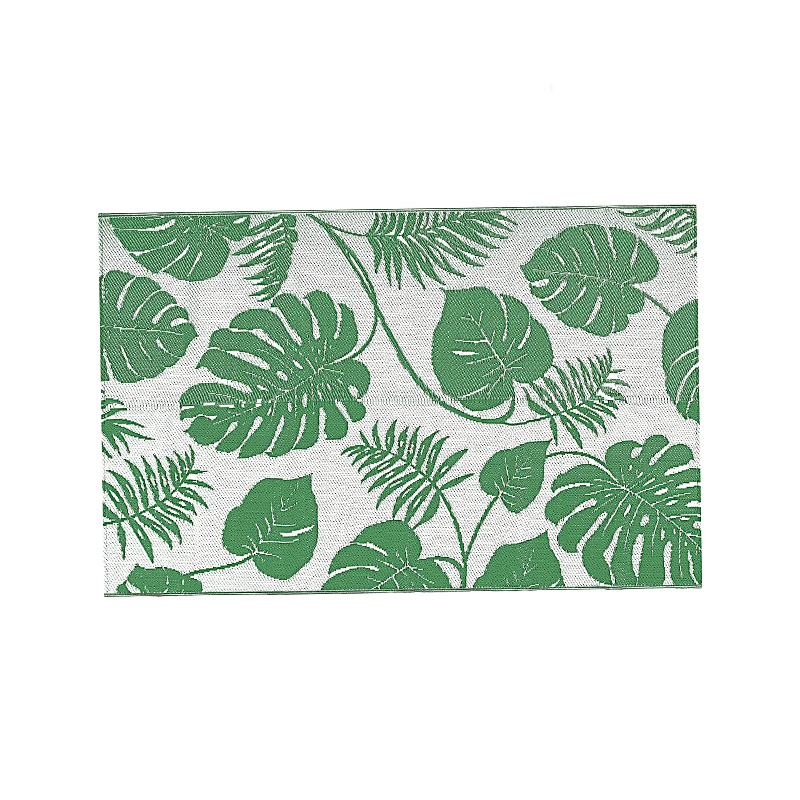
Durable Outdoor Polypropylene Mat For Patio
Features Reversible Outdoor Rug: The outdoor plastic straw rug with timeless medallion design is ele...
-
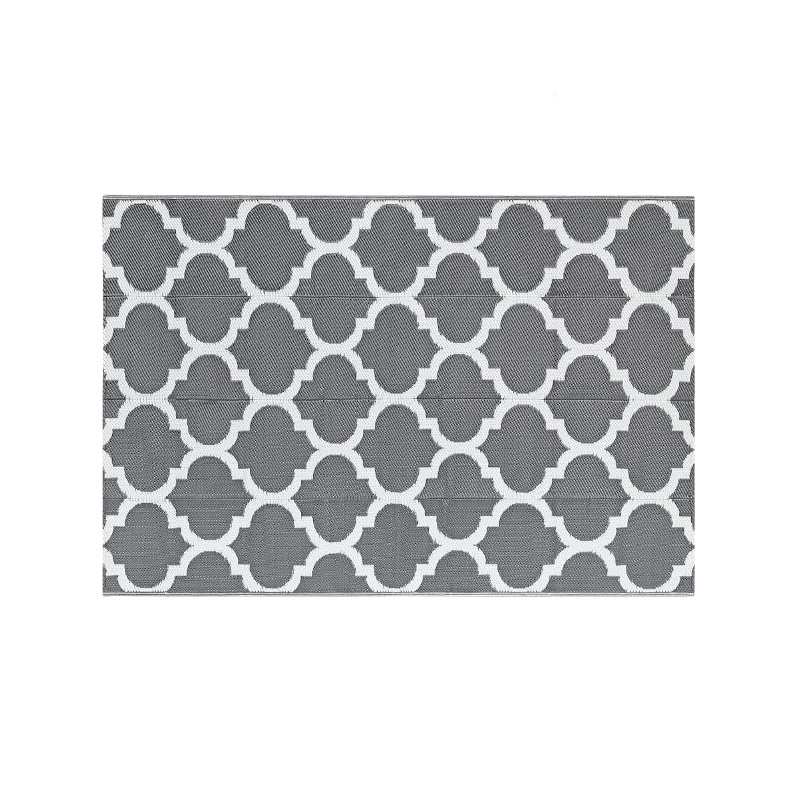
Recycled Plastic Straw Matting For Outside
Built for spaces that see real outdoor living, this recycled plastic straw mat adds a finished look ...
-
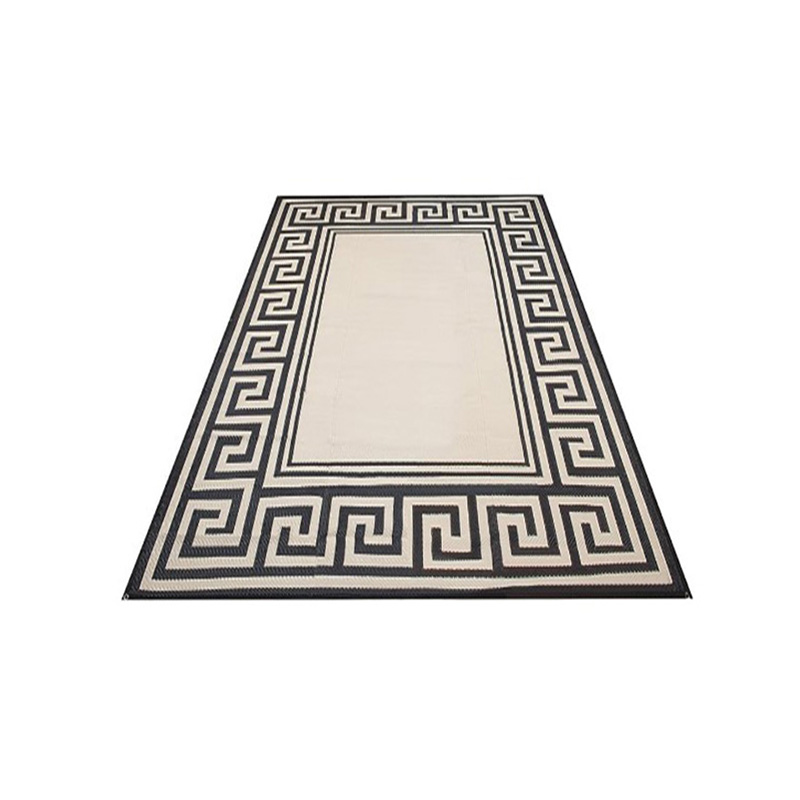
BSCI Audit PP Straw Camping Outdoor Rug
Description Introducing the BSCI Audit PP Straw Camping Outdoor Rug by AIYISI, an outdoor gear manuf...
-
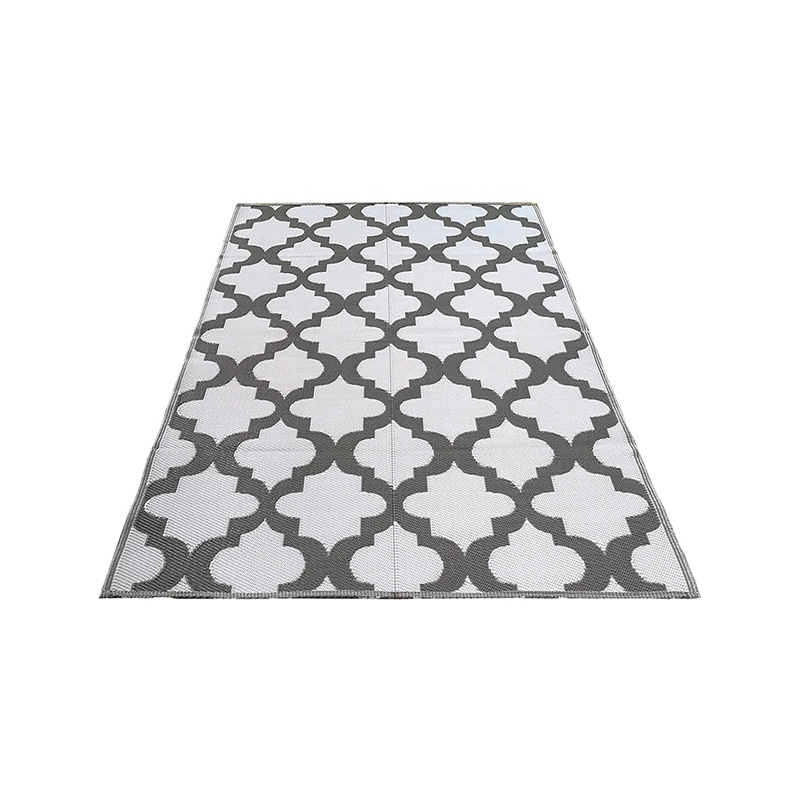
Plastic Matting Cheap PP Woven Recycled Campping Mats
This plastic matting offers a practical choice for outdoor activities with its construction from rec...

- FAX : 86-0576-83352177
- E-mail : [email protected]
- Phone : +86-0576-83207588
- Add: No.10 Yongan Road, Binhai industrial park, Sanmen County, Taizhou City, Zhejiang, China.
 Facebook
 Youtube
 Twitter
 Instagram