

 English
 Deutsch


Don't hesitate to send a message
Search
Recent Post
Newsletter
High Quality Outdoor Camping Rug: How It Improves Outdoor Comfort Experience
Outdoor camping has changed a lot in recent years. It is no longer only about survival basics or simple overnight stays. People now expect a more comfortable and organized outdoor experience. Small equipment plays a bigger role than before, especially items placed directly on the ground.
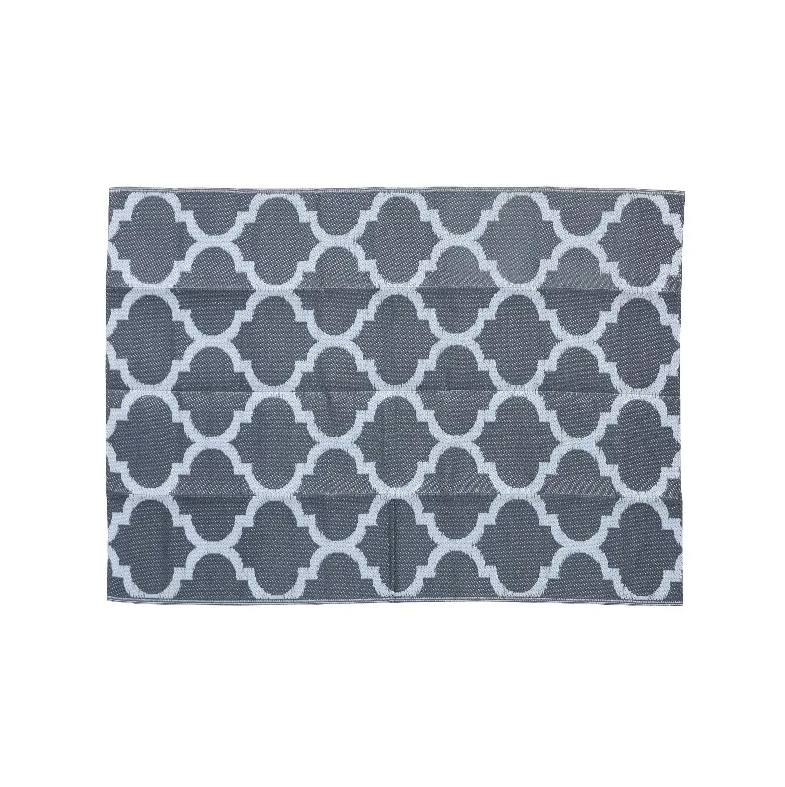
Among these items, a high quality outdoor camping rug has become a common choice in many camping setups. It sits under seating areas, sleeping spaces, or shared gathering spots. It looks simple, but its impact on comfort is noticeable in daily use.
Why does ground comfort matter so much in outdoor camping?
The ground is the first surface people interact with when camping. Grass, sand, soil, or uneven terrain can all affect how comfortable a space feels.
Without any layer in between, sitting or resting directly on the ground can feel rough or cold. Even a short stay can become uncomfortable if the surface is not suitable.
A camping rug changes that feeling. It creates a softer and more stable base. The difference is not dramatic at first glance, but it becomes clear after a period of use.
Comfort in camping often comes from small improvements rather than large changes. Ground coverage is one of those small improvements.
How does a camping rug change the feeling of outdoor space?
A camping rug does more than cover the ground. It defines space.
Once a rug is placed, the area feels more organized. It creates a visual boundary that separates sitting zones from walking paths or open ground.
This simple separation helps outdoor spaces feel less random and more structured.
People often place chairs, food setups, or resting areas on top of it. Over time, the rug becomes the center point of the campsite layout.
It is not only about comfort underfoot, but also about how space is perceived.
What materials are commonly used in outdoor camping rugs?
Material choice plays a key role in how a camping rug performs outdoors. Since it is used on natural ground, it needs to handle different conditions without losing shape or comfort.
Common material directions include:
- woven synthetic fibers for durability
- layered fabric structures for ground insulation
- water-resistant surfaces for changing weather conditions
- reinforced edges to reduce wear during repeated folding
Each material choice affects how the rug behaves in real outdoor use.
A lighter structure may be easier to carry. A denser structure may feel more stable on uneven ground. The selection often depends on how the rug will be used.
Why is portability important for camping rugs?
Camping equipment is usually carried over some distance. Weight and folding size matter more than people expect.
A camping rug needs to be easy to roll, fold, or pack without taking too much space. If it becomes difficult to carry, it will be used less often.
Portability also affects how often people bring it along. A simple setup process encourages more frequent use, especially for short trips or casual outdoor gatherings.
In many cases, convenience decides whether the rug becomes part of regular camping gear or stays stored at home.
How does a camping rug improve seating and resting comfort?
Outdoor seating is rarely uniform. Some surfaces are hard, some are uneven, and some change with weather conditions.
A camping rug helps create a more stable base for sitting or lying down. It reduces direct contact with rough ground and helps balance uneven spots.
This does not turn the outdoors into an indoor space, but it reduces discomfort enough to extend sitting time.
For families or group camping, this becomes even more important. Shared space needs to feel usable for longer periods.
What role does weather play in rug performance?
Outdoor weather never stays steady. Sunlight, dampness, wind and changing temperatures all affect how camping supplies hold up.
Camping rugs sit between people and the bare ground. They block direct contact with cold ground on chilly days and keep seating drier when it's humid out.
They can't fully block outside weather conditions, but they soften how those elements affect how comfortable you feel.
That's why these rugs work well for camping trips in all sorts of locations and times of year.
How does design influence outdoor usability?
Design in camping rugs is not only about appearance. It affects how the product behaves in real use.
Layout patterns, surface texture, and folding structure all influence experience.
Some design choices support easier cleaning. Some improve grip on the ground. Others focus on reducing folding marks after repeated use.
A well-designed rug does not draw attention during use. It simply stays in place and supports the activity happening on top of it.
Why do camping rugs help organize outdoor activities?
Camping often involves multiple activities in one space. Eating, resting, talking, and storing items can all happen in a shared area.
Without structure, these activities may overlap in a messy way.
A camping rug helps separate zones without physical barriers. People naturally gather on it, place items on it, or use it as a central meeting space.
This informal organization improves how the space feels during use.
It becomes easier to manage movement and placement without needing extra tools.
How does durability affect long-term use?
Outdoor gear is used repeatedly under different conditions. A camping rug is often folded, unfolded, and moved between locations.
Durability is not only about resisting damage. It is also about maintaining shape and comfort after repeated use.
Edges, surface texture, and folding points all influence how long the rug remains usable in a stable way.
A durable rug reduces the need for frequent replacement and keeps outdoor setups consistent over time.
What makes a camping rug suitable for different environments?
Camping locations are not all the same. Some are dry and flat, while others are uneven or slightly damp.
A suitable camping rug needs to adapt to these variations without losing its main function.
Flexibility in use comes from a combination of material balance and surface design. It should stay usable whether placed on grass, sand, or simple outdoor flooring.
This adaptability is one reason camping rugs are widely used across different outdoor activities.
How does it contribute to overall outdoor comfort?
Outdoor comfort is often built from multiple small elements. Seating, shade, layout, and ground contact all play a part.
A camping rug mainly improves the ground layer, which is one of the direct points of contact.
When that base feels better, the entire setup feels more comfortable. People tend to stay longer, move less frequently, and enjoy the space more naturally.
It does not change the outdoor environment, but it changes how people experience it.
Why is it becoming a common part of camping setups?
Camping styles have shifted toward more relaxed and longer stays. As a result, basic comfort has become more important.
A camping rug fits into this change because it is simple to use, easy to carry, and flexible in application.
It does not require setup tools or complicated installation. It becomes part of the space almost immediately after being placed on the ground.
This simplicity is one of the main reasons it is now commonly seen in outdoor gear collections.
OUR PRODUCTS
Recommended Products
-
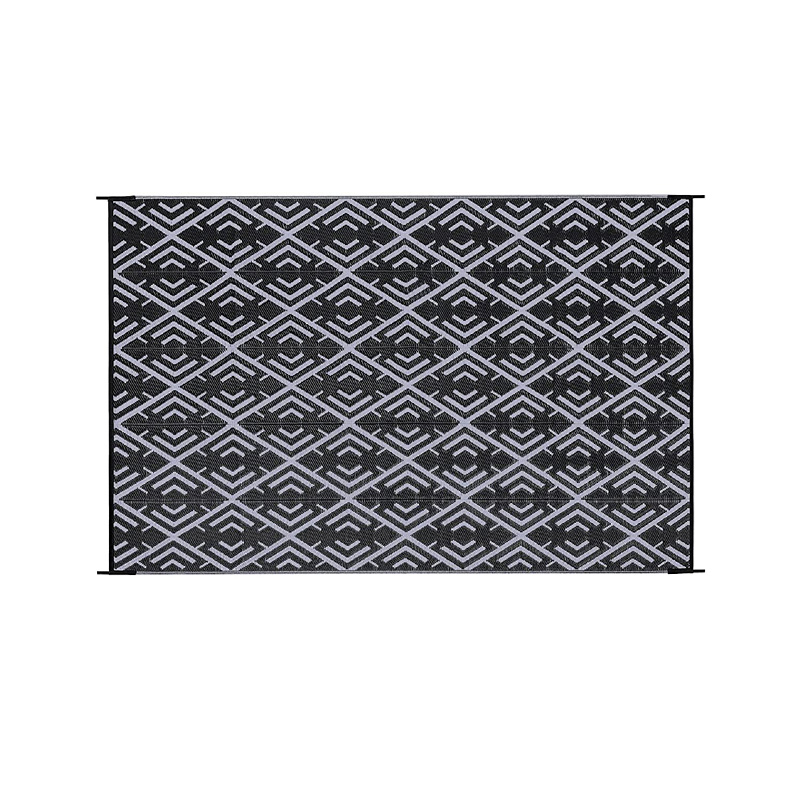
Lightweight Polypropylene Plastic Outdoor RV Mat
For RV owners, the ground space outside the vehicle quickly becomes part of daily living. A good out...
-
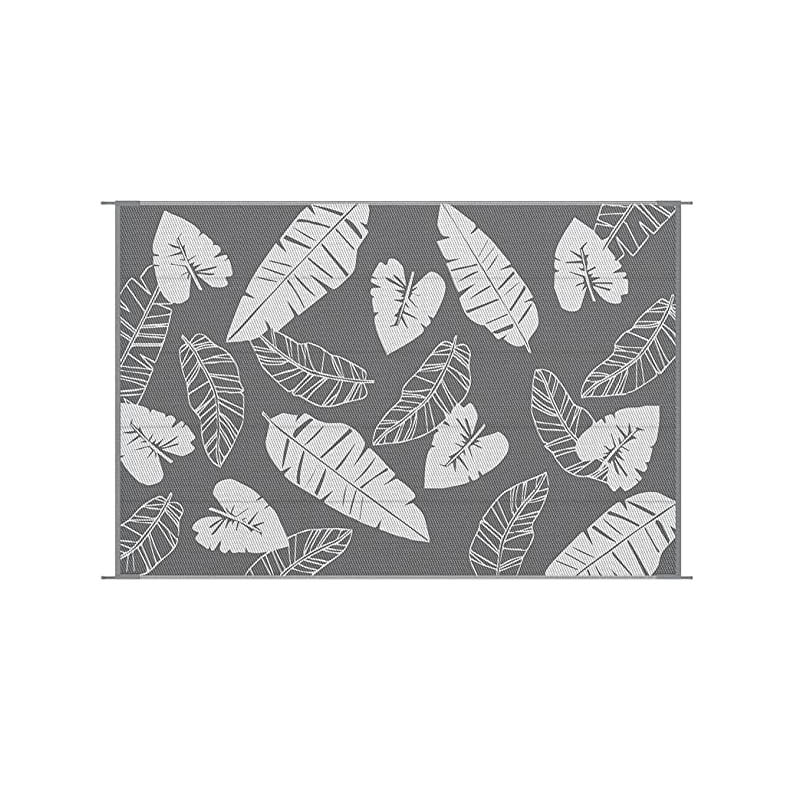
Large Foldable Anti-UV PP Weaving Straw RV Rug
When RV users set up an outdoor living area, the mat is often one of the first items placed beside t...
-
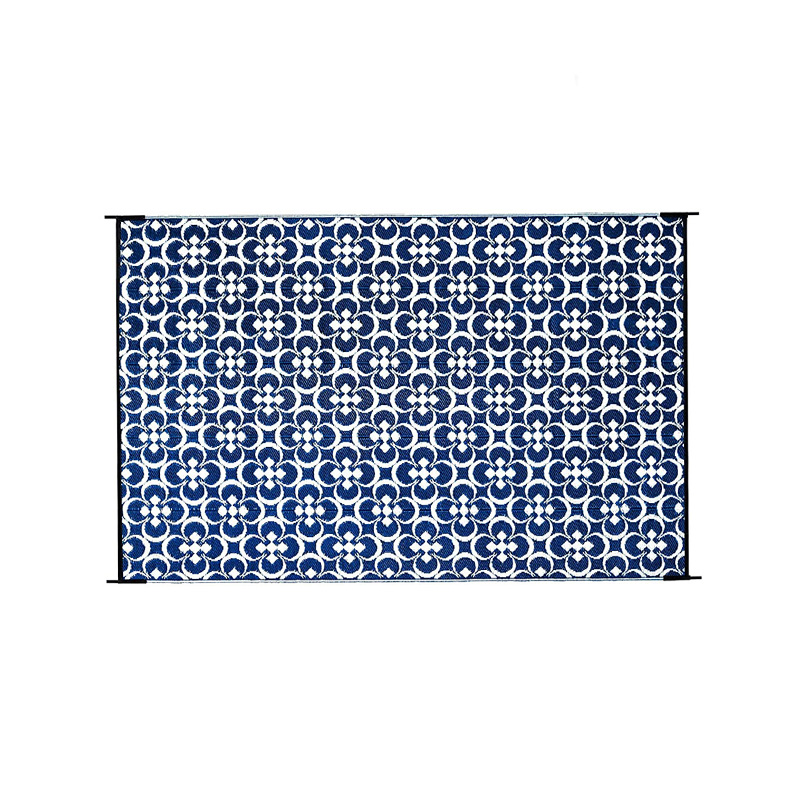
Recycled Moistureproof Plaid Outdoor Mat For RV
Features Heavy-Duty & High Quality & Durability: Our heavy-duty reversible RV mats are made ...
-
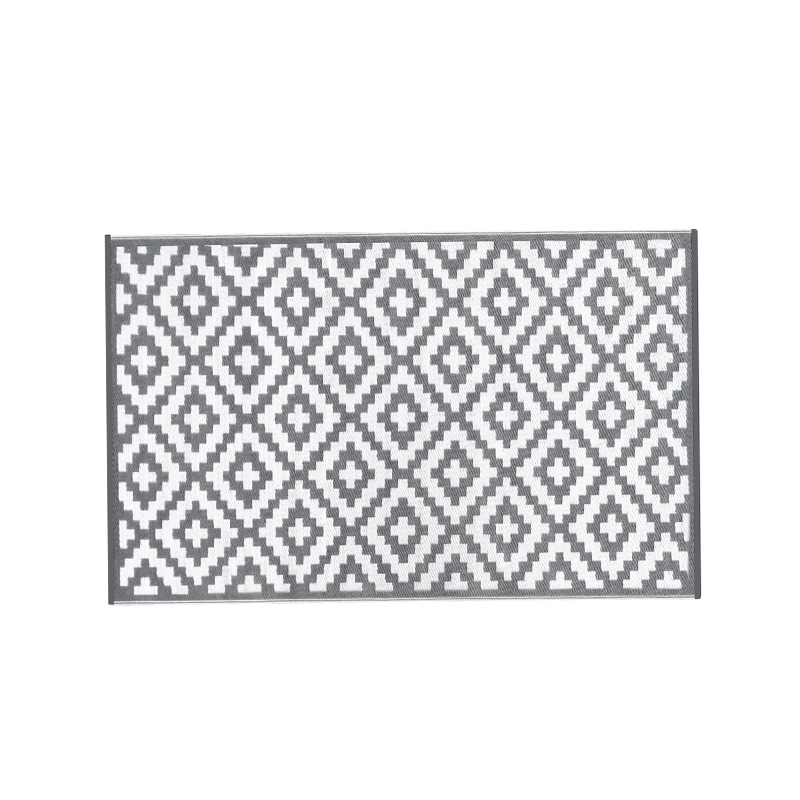
UV Resistant Patio Outdoor Rug
Elevate your outdoor spaces with the UV Resistant Patio Outdoor Rug from Aiyisi, thoughtfully design...
-
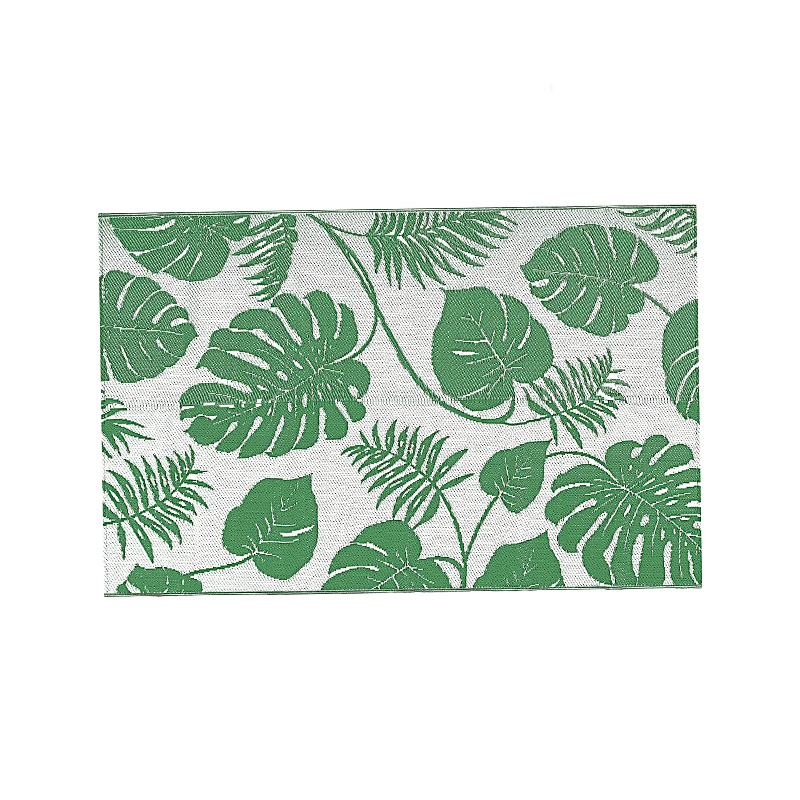
Durable Outdoor Polypropylene Mat For Patio
Features Reversible Outdoor Rug: The outdoor plastic straw rug with timeless medallion design is ele...
-
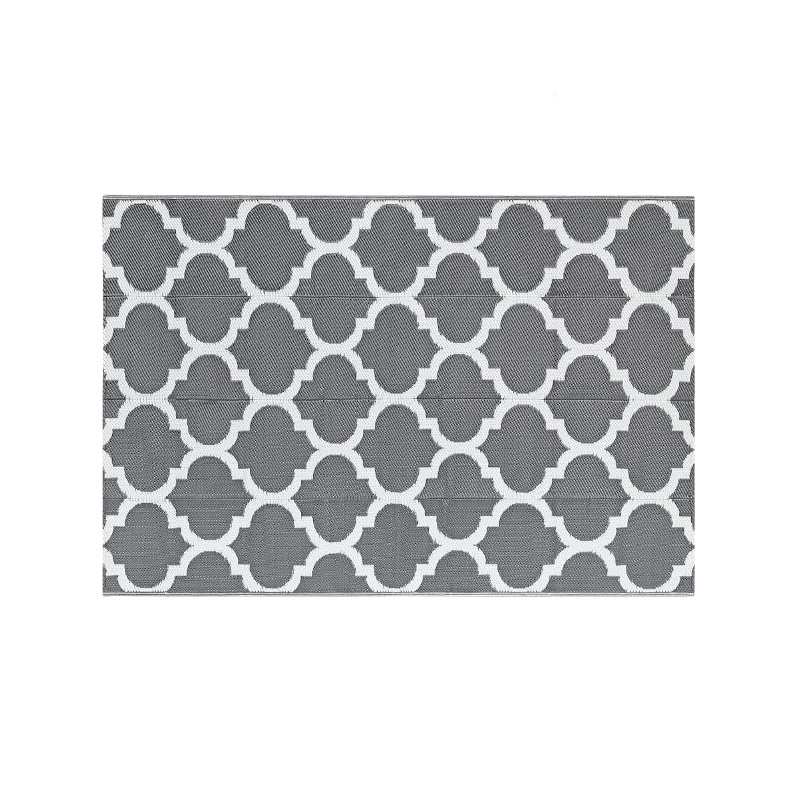
Recycled Plastic Straw Matting For Outside
Built for spaces that see real outdoor living, this recycled plastic straw mat adds a finished look ...
-
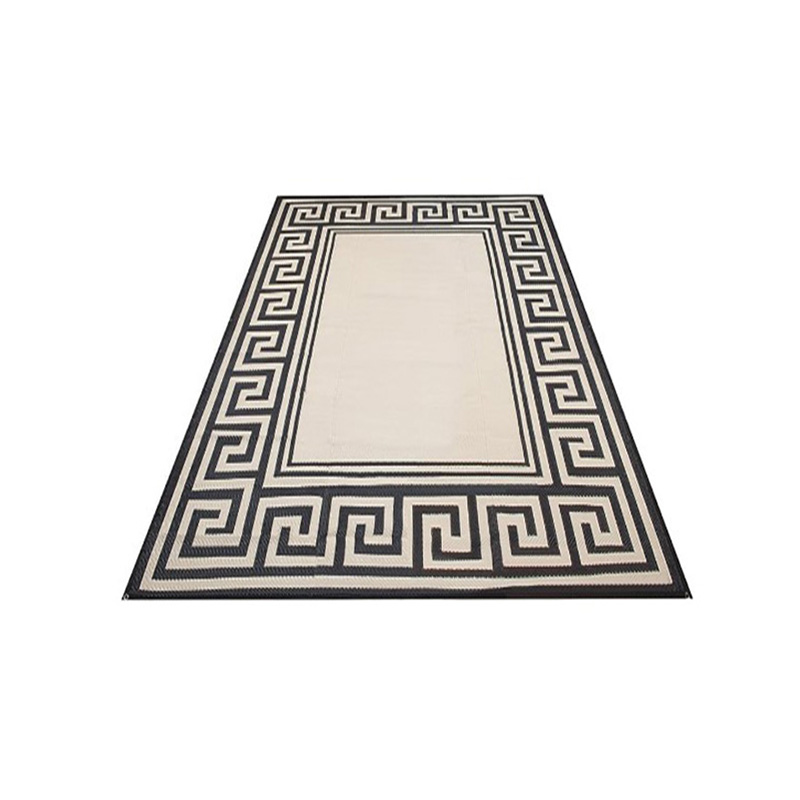
BSCI Audit PP Straw Camping Outdoor Rug
Description Introducing the BSCI Audit PP Straw Camping Outdoor Rug by AIYISI, an outdoor gear manuf...
-
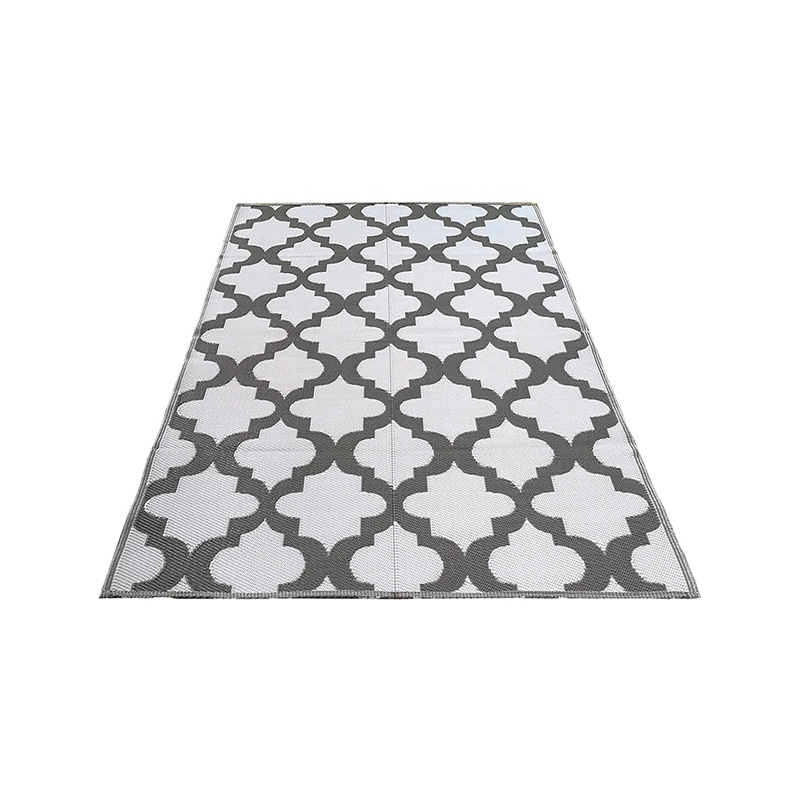
Plastic Matting Cheap PP Woven Recycled Campping Mats
This plastic matting offers a practical choice for outdoor activities with its construction from rec...

- FAX : 86-0576-83352177
- E-mail : [email protected]
- Phone : +86-0576-83207588
- Add: No.10 Yongan Road, Binhai industrial park, Sanmen County, Taizhou City, Zhejiang, China.
 Facebook
 Youtube
 Twitter
 Instagram