

 English
 Deutsch


Don't hesitate to send a message
Search
Recent Post
Newsletter
Key Quality Standards and Pitfalls for Beach Mats
Introduction to Choosing Beach Mats
When selecting a Portable Plastic Beach Mat, consumers often prioritize portability, comfort, and durability. However, not all mats are created equal. Understanding the key quality standards and common purchasing mistakes ensures buyers select a mat that performs well, lasts longer, and meets their specific outdoor needs.
Material Quality and Safety Standards
Material Type: High-quality mats are usually made from durable polyethylene (PE) or polypropylene (PP) that resists tearing and moisture. Avoid mats made from thin, low-grade plastics that may crack or degrade under sunlight.
Non-Toxic Certification: Look for mats that are BPA-free and compliant with international safety standards. This ensures the product is safe for children and prevents unpleasant chemical odors.
UV Resistance: Good mats should resist fading and degradation under prolonged sun exposure. Check for mats with UV-resistant coatings or tested sunlight durability.
Durability and Tear Resistance
- Thickness and Weave: Mats with sufficient thickness and tight weaving are less likely to tear or warp on uneven surfaces. Thin mats may develop holes quickly, especially when exposed to sand and rocks.
- Edge Reinforcement: Quality mats often feature reinforced edges to prevent fraying, extending their lifespan.
- Weight Limit: Check the manufacturer’s specified weight capacity to ensure the mat can support multiple users without bending or collapsing.
Comfort and Functionality
- Surface Texture: A mat should provide a comfortable surface while preventing slipping. Some mats feature embossed patterns or slight cushioning for better comfort.
- Foldability and Portability: Consider how easily the mat folds or rolls for transport. Built-in straps or carrying bags improve convenience for beach trips, picnics, or camping.
- Water and Sand Resistance: High-quality mats repel water and allow sand to be shaken off easily. Mats that absorb water or trap sand can be uncomfortable and difficult to clean.
Common Purchasing Mistakes
- Overlooking Size Requirements: Some buyers choose mats that are too small for their group or intended use. Always verify dimensions to accommodate the number of users.
- Neglecting Material Transparency: Clear or very thin mats may offer minimal durability. Opt for mats with visible texture or weave, which typically last longer.
- Ignoring Environmental Conditions: Not all mats are suitable for rough terrain or prolonged exposure to sunlight. Choose mats designed for the intended outdoor environment.
- Focusing Only on Price: Extremely cheap mats may fail quickly, causing replacement costs and frustration. Investing in slightly higher-quality mats ensures long-term usability.
Maintenance and Longevity Tips
- Regular Cleaning: Shake off sand and wipe the mat with a damp cloth after use. Avoid harsh chemicals that may damage the plastic fibers.
- Proper Storage: Fold or roll the mat carefully and store it in a dry, shaded area to prevent warping or mold growth.
- Inspect for Damage: Regularly check for tears or weakened areas to prevent accidents during use.
Making Informed Choices
Selecting a Portable Plastic Beach Mat requires careful attention to material quality, durability, functionality, and realistic expectations. By following established quality standards and avoiding common purchasing mistakes, buyers can enjoy a mat that provides comfort, convenience, and longevity. Prioritizing UV resistance, non-toxic materials, reinforced edges, and portability ensures a satisfying outdoor experience, whether at the beach, park, or campsite. Making informed choices not only enhances usability but also improves the investment in a reliable and enjoyable outdoor accessory.
OUR PRODUCTS
Recommended Products
-
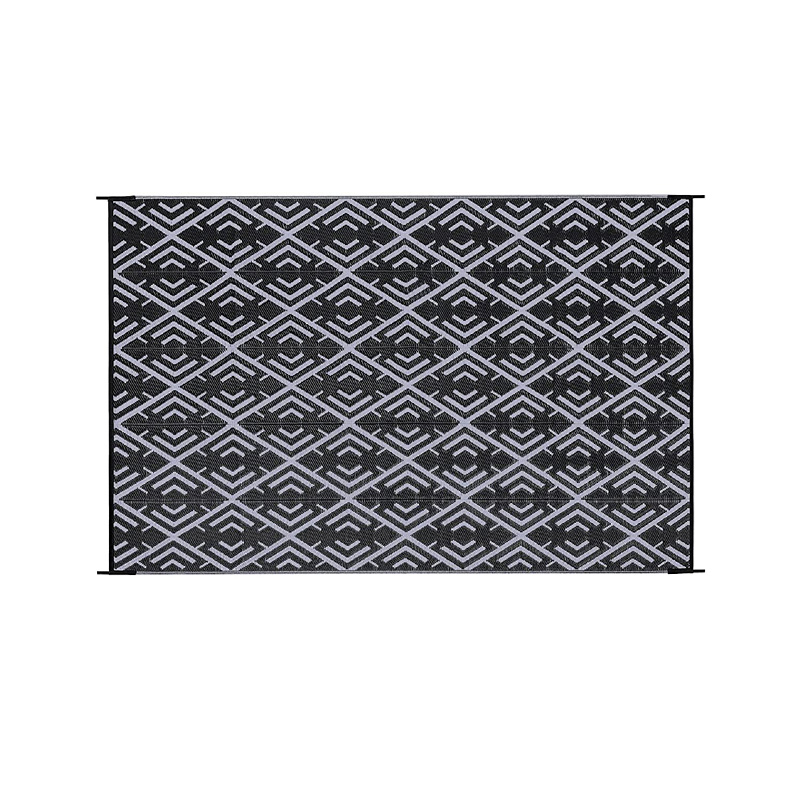
Lightweight Polypropylene Plastic Outdoor RV Mat
For RV owners, the ground space outside the vehicle quickly becomes part of daily living. A good out...
-
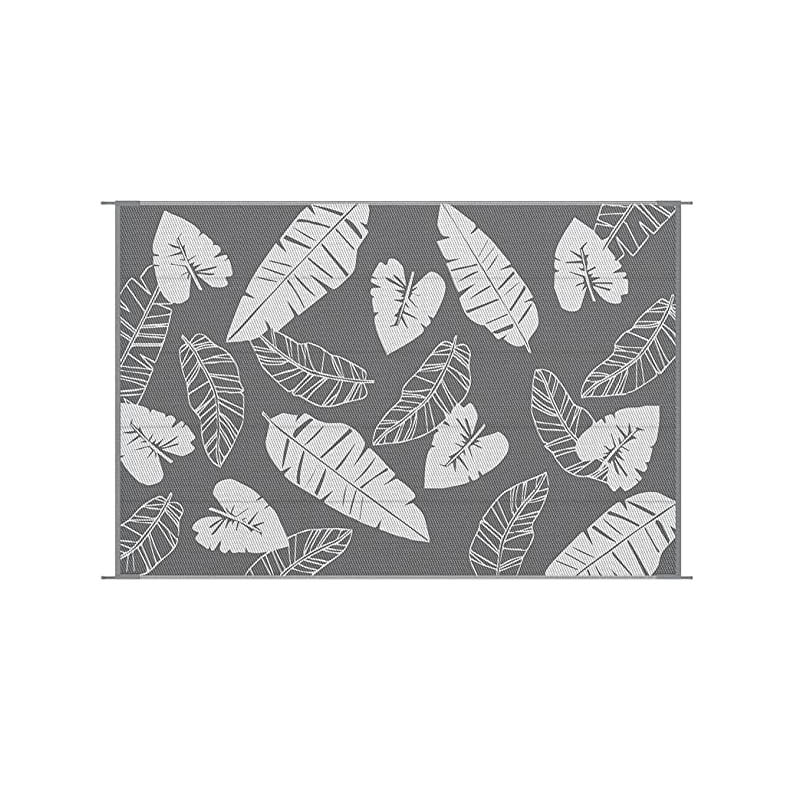
Large Foldable Anti-UV PP Weaving Straw RV Rug
When RV users set up an outdoor living area, the mat is often one of the first items placed beside t...
-
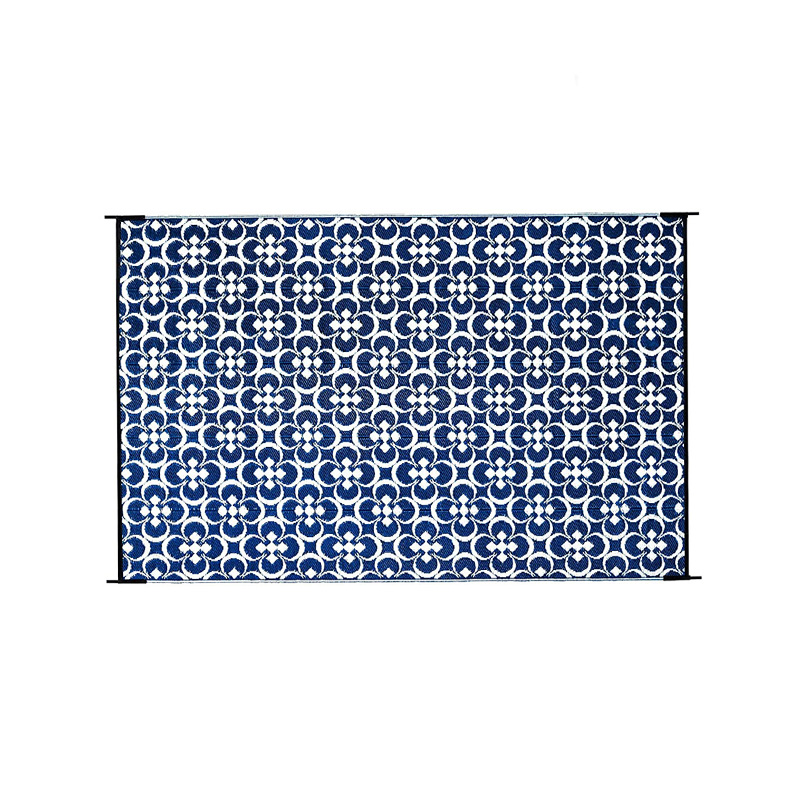
Recycled Moistureproof Plaid Outdoor Mat For RV
Features Heavy-Duty & High Quality & Durability: Our heavy-duty reversible RV mats are made ...
-
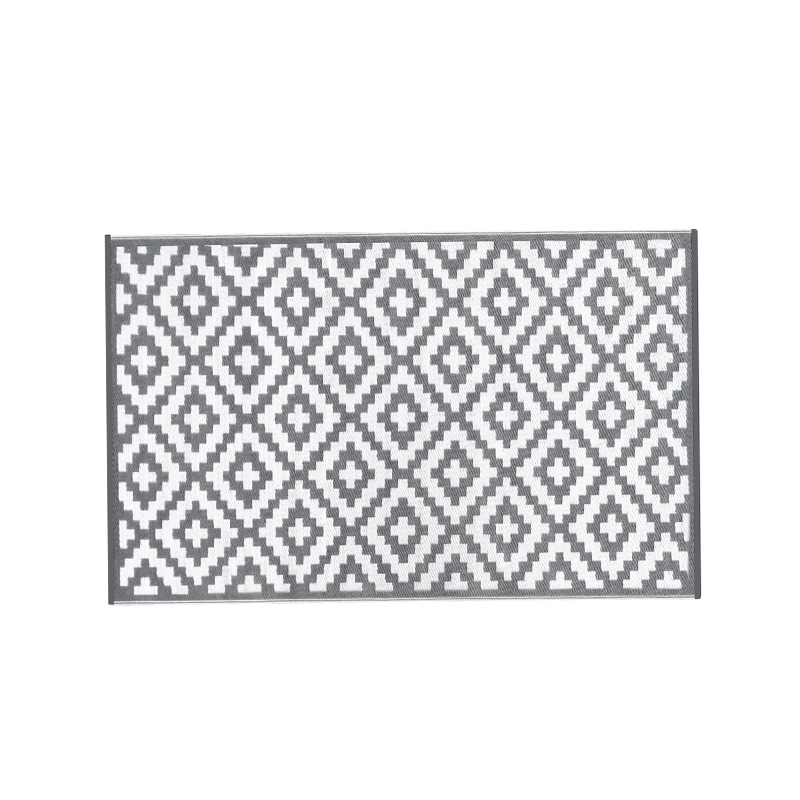
UV Resistant Patio Outdoor Rug
Elevate your outdoor spaces with the UV Resistant Patio Outdoor Rug from Aiyisi, thoughtfully design...
-
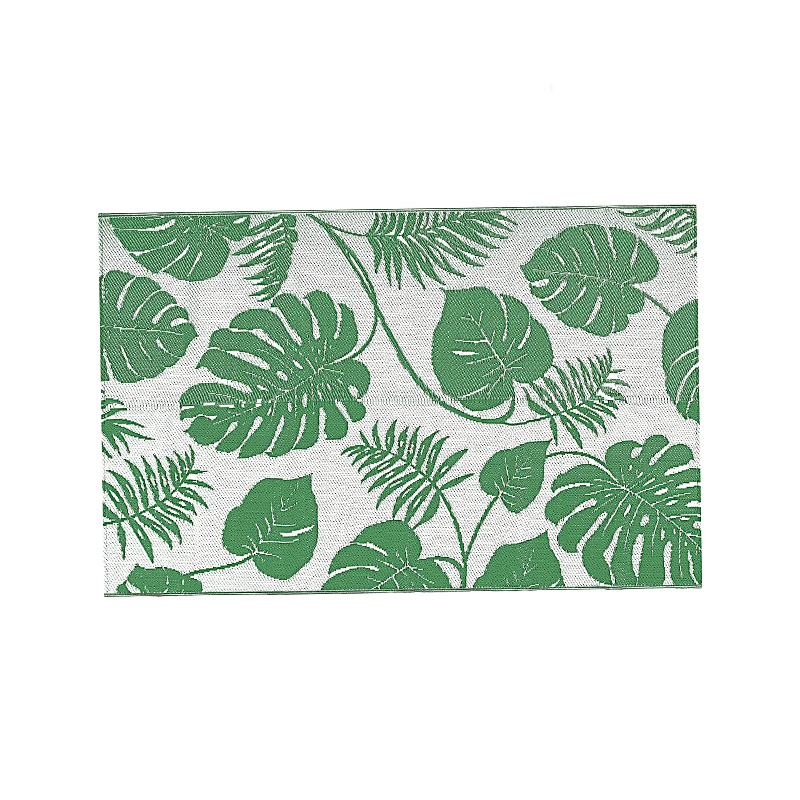
Durable Outdoor Polypropylene Mat For Patio
Features Reversible Outdoor Rug: The outdoor plastic straw rug with timeless medallion design is ele...
-
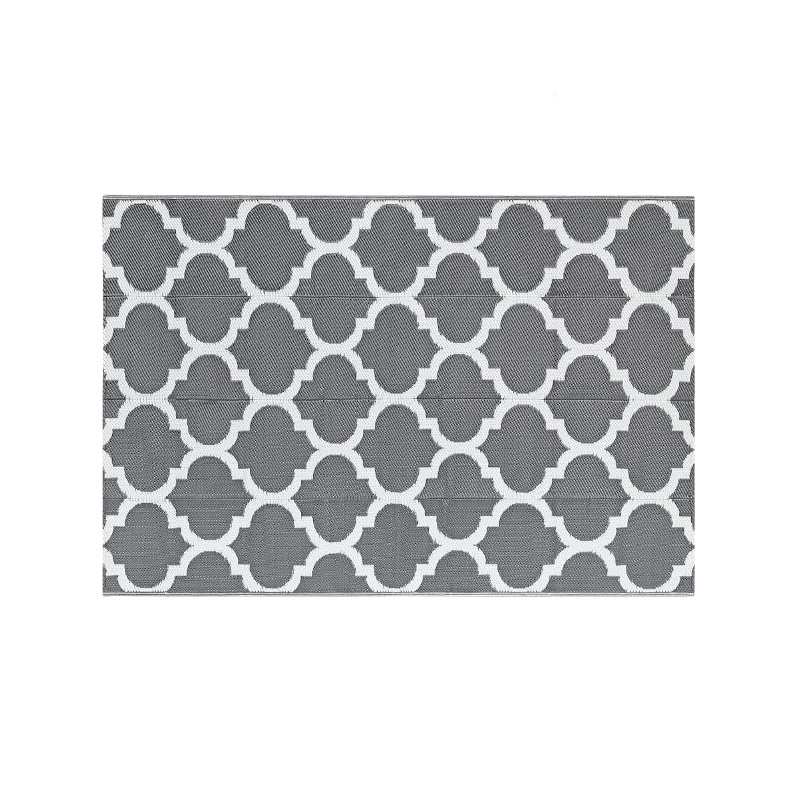
Recycled Plastic Straw Matting For Outside
Built for spaces that see real outdoor living, this recycled plastic straw mat adds a finished look ...
-
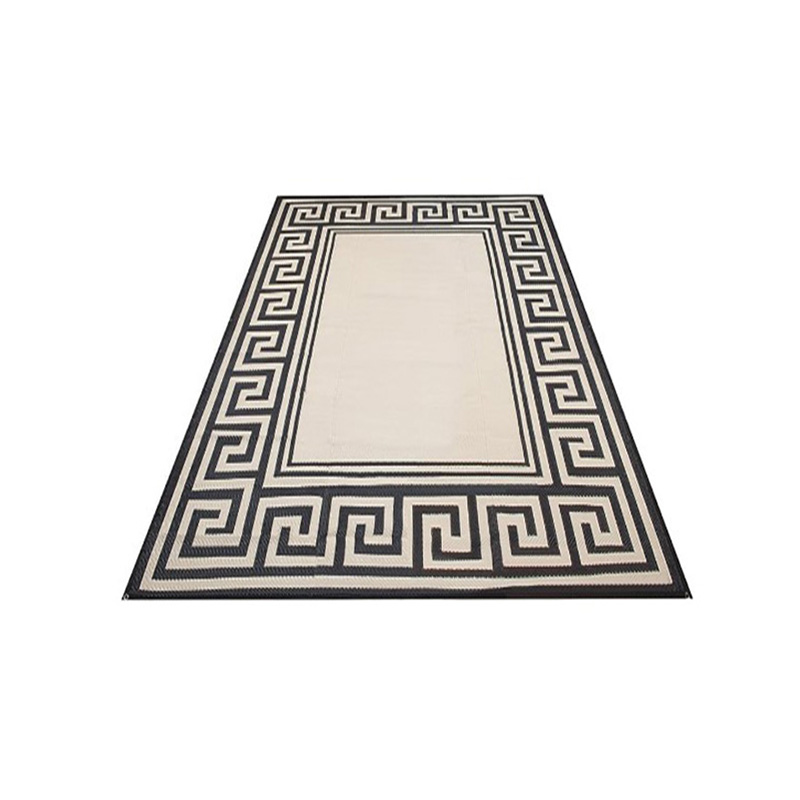
BSCI Audit PP Straw Camping Outdoor Rug
Description Introducing the BSCI Audit PP Straw Camping Outdoor Rug by AIYISI, an outdoor gear manuf...
-
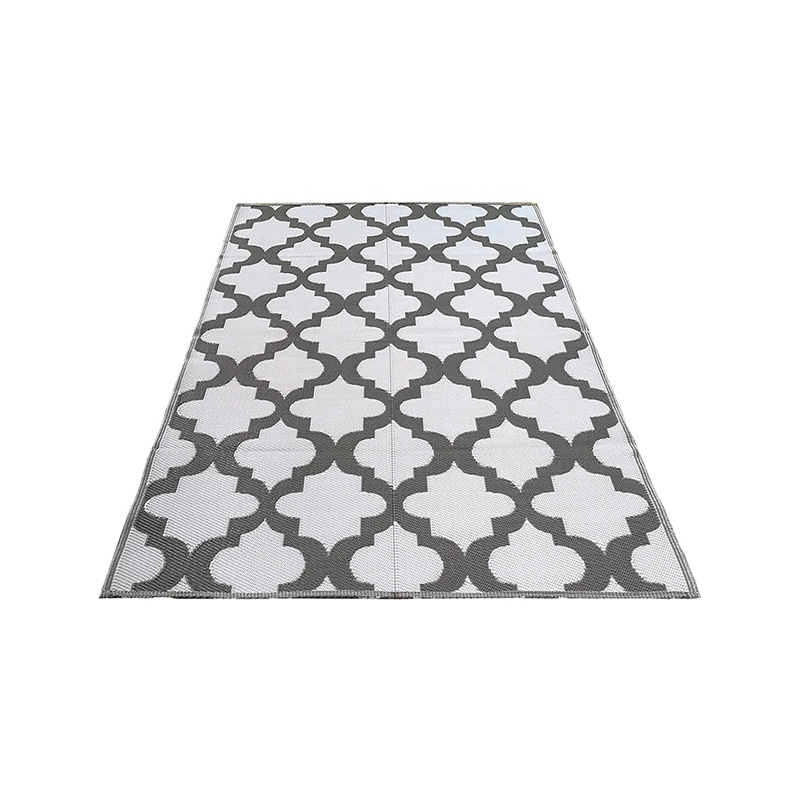
Plastic Matting Cheap PP Woven Recycled Campping Mats
This plastic matting offers a practical choice for outdoor activities with its construction from rec...

- FAX : 86-0576-83352177
- E-mail : [email protected]
- Phone : +86-0576-83207588
- Add: No.10 Yongan Road, Binhai industrial park, Sanmen County, Taizhou City, Zhejiang, China.
 Facebook
 Youtube
 Twitter
 Instagram