

 English
 Deutsch


Don't hesitate to send a message
Search
Recent Post
Newsletter
What Is Recycled Plastic Straw Matting and How Is It Produced
Materials that once had a short life are now finding new roles. In outdoor markets, home spaces, and travel settings, woven mats made from recycled plastic are appearing more often. They look simple at a glance. Underneath that simplicity sits a production story shaped by changing habits in material use.
Recycled plastic straw matting is part of this shift. It combines familiar weaving methods with materials that have been used before. The result is a product that fits into daily life while reflecting a broader move toward reuse.
What Is Recycled Plastic Straw Matting Producer ?
Recycled plastic straw matting is exactly what it sounds like at first glance, but there's more going on underneath. Strips of processed plastic get shaped to mimic the look of traditional straw, then woven together into a flat mat you can actually walk on, sit on, or roll out for an afternoon outside.
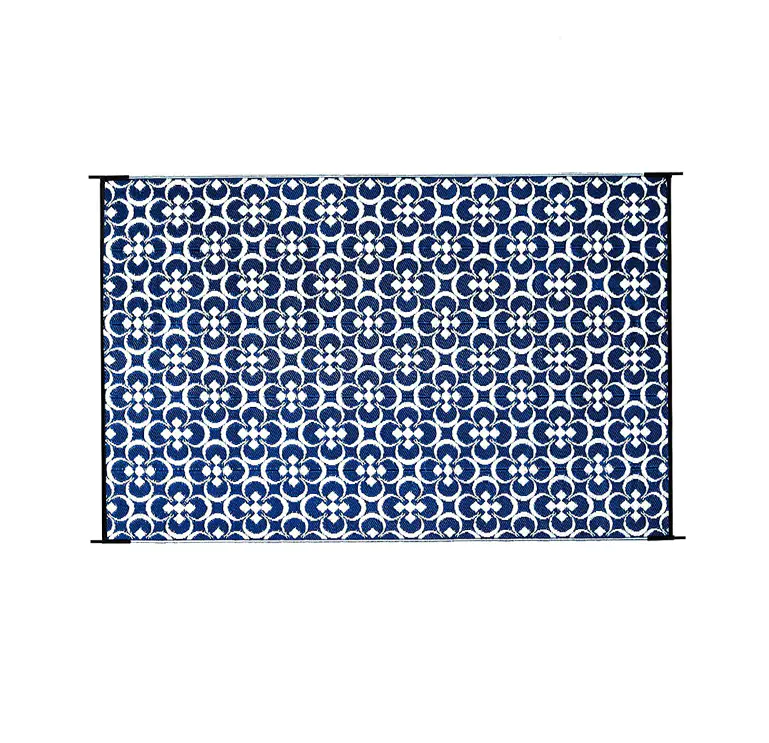
Run your hand across one, though, and it doesn't feel much like straw at all — the surface tends to be smoother, sometimes with a bit of a sheen depending on how it's finished. Colors and patterns get worked into the weave too, so you'll see anything from simple stripes to more deliberate geometric designs. And despite how light these mats feel to pick up, they hold together surprisingly well under repeated use — not something you'd necessarily expect just from handling one.
They show up in a lot of places, indoors and outdoors both. Part of that comes down to how easy they are to live with day-to-day — roll it up, tuck it away, unroll it somewhere else entirely, and it doesn't seem to mind the switch. That kind of portability is a big part of why people reach for it in so many different settings.
Why Is It Called "Straw" Matting?
The term "straw" refers more to the look and weaving style than to the material itself. Traditional mats were made from plant fibers. Those fibers were dried, shaped, and woven into flat surfaces.
Recycled plastic follows a similar visual path. The strips are narrow and elongated, echoing the form of natural straw. When woven together, they create a familiar pattern that people recognize.
This naming helps bridge the gap between older craft traditions and newer material choices. It signals continuity, even though the raw material has changed.
Where Does the Raw Material Come From?
We start with post-consumer plastic waste that's no longer fit for its original use. Waste plastic gets gathered from many different sources via recycling collection and sorting programs.
Workers first screen and sort all collected plastic. Not every plastic variant works for weaving mats, so materials get separated by plastic grade and overall condition.
Buyers rarely see this sorting stage, but it directly decides how good the finished mat turns out. Clean, well-matched waste plastic results in even, steady weaving strips later down the line.
How Is the Plastic Prepared for Weaving?
After collection, all plastic waste goes through full pre-processing. Every piece gets thoroughly washed to rid dirt, leftover grime and surface contaminants, which delivers cleaner-looking, easier-to-work-with raw stock.
Once fully cleaned, the plastic gets shredded into small fragments. These fragments get melted and extruded into thin, bendable ribbons ready for weaving.
Producers calibrate each ribbon to hold the exact same width. Consistent sizing keeps the weaving machine running without hiccups and prevents uneven, messy patterns on the finished mat.
How Does the Weaving Process Take Shape?
The weaving stage brings structure to the material. Strips are arranged in a crossing pattern, forming a grid-like surface. This method is similar to traditional mat weaving, though the material behaves differently.
There are a few key steps involved:
Layout preparation
The base direction is set. Strips are placed parallel to each other.
Interlacing
Another set of strips is woven across the base. This creates the pattern.
Tension control
The strips are adjusted to maintain an even surface. This affects both look and durability.
Edge finishing
The outer edges are secured to prevent unraveling.
The process can be done by hand or with the help of machines. In both cases, attention to alignment is important.
What Design Options Are Possible?
Recycled plastic straw matting offers a range of visual choices. Patterns can be simple or more detailed, depending on how the strips are arranged.
Color is another element that can vary. Some mats use a single tone. Others combine different shades to create contrast.
Here is a simple overview:
| Design Element | Common Approach |
|---|---|
| Pattern style | Linear, geometric, or repeating shapes |
| Color use | Single tone or mixed shades |
| Surface feel | Smooth with slight texture |
| Edge detail | Folded or reinforced borders |
These options allow the mat to fit into different settings, from casual outdoor use to more styled indoor spaces.
Why Is This Type of Mat Gaining Attention?
Interest in recycled plastic straw matting is linked to changing views on material use. People are looking at how products are made, not just how they look.
Several factors play a role:
- A shift toward reuse and reduced waste
- A preference for lightweight and portable items
- The need for easy cleaning in everyday use
- Growing awareness of material cycles
These mats respond to those needs without requiring major changes in how they are used.
How Does It Perform in Daily Use?
In daily settings, the mat is expected to handle repeated contact. It may be placed on different surfaces, moved between locations, or exposed to changing conditions.
The woven structure allows it to remain flexible. It can be rolled or folded without losing shape. The surface does not absorb moisture in the same way as natural fibers, which can make cleaning more straightforward.
At the same time, the feel underfoot is different from traditional materials. It is smoother and less textured. Some users notice this difference immediately.
The balance between function and familiarity shapes how the mat is received.
How Does It Compare to Traditional Matting?
Recycled plastic straw matting shares visual traits with traditional mats, yet the material creates distinct differences.
| Aspect | Recycled Plastic Straw Matting | Traditional Straw Matting |
|---|---|---|
| Material source | Reused plastic | Natural plant fibers |
| Surface feel | Smooth | Slightly rough |
| Water response | Less absorbent | More absorbent |
| Maintenance | Simple cleaning | May require more care |
| Flexibility | Easy to roll | Varies by fiber type |
This comparison shows that each type has its own character. The choice depends on how the mat will be used.
What Role Does Production Play in Sustainability?
Production shapes how leftover plastic actually gets a second life. Turning discarded plastic into woven strips is really about giving that material more time before it ends up as waste again.
That said, this whole process still needs a fair amount of care at every step. What happens during collection, sorting, and weaving all leaves a mark on the final product — messy input or rushed processing usually shows up later, whether in durability or looks.
Really, the point isn't just recycling for its own sake. It's about creating something people can actually use day to day, so the mat ends up being one stop in a much longer journey for that material rather than a one-off use.
How Is the Industry Responding to Changing Demand?
As demand shifts, manufacturers are having to rethink parts of their process. Quality, appearance, and how easy the product is to use are getting more attention than before.
Some are tightening up their weaving techniques, while others are experimenting with new patterns and colors — all while trying not to overcomplicate a product that's supposed to stay simple.
There's also a growing push toward being upfront about sourcing. Customers increasingly want to know where the plastic came from and how it was processed before it became a mat.
Because of that, more brands are sharing the story behind their products rather than treating them as just another item on a shelf. The mat isn't just something you stand on anymore — it comes with a bit of backstory about where the material's been and what it went through to get here.
What Should Buyers Keep in Mind?
Selecting a recycled plastic straw mat involves more than choosing a pattern. It includes considering how the mat will be used and what conditions it will face.
Some practical points include:
- The environment where the mat will be placed
- The level of movement and handling
- Preferences for texture and appearance
- Storage and portability needs
These factors help guide the choice without making the process complicated.
How Does Craft Tradition Connect with Modern Materials?
There is a quiet link between past and present in this product. The weaving method reflects a long-standing craft. The material reflects a newer approach to resource use.
This combination creates a familiar yet different experience. The pattern may recall traditional mats, while the feel suggests something else.
It shows how techniques can adapt without losing their identity. The structure remains recognizable, even as the material changes.
Why Does This Matter in Everyday Spaces?
Objects used daily often go unnoticed. A mat lies on the ground, supporting movement without drawing attention. Yet its presence affects comfort, cleanliness, and visual tone.
Recycled plastic straw matting fits into this quiet role. It does not demand focus. It supports routine activities in a subtle way.
At the same time, it reflects a broader shift in how materials are valued. Items that once had a single use are now part of ongoing cycles.
This shift is not always visible at first glance. It becomes clearer when looking at how products are made and how they continue to be used.
OUR PRODUCTS
Recommended Products
-
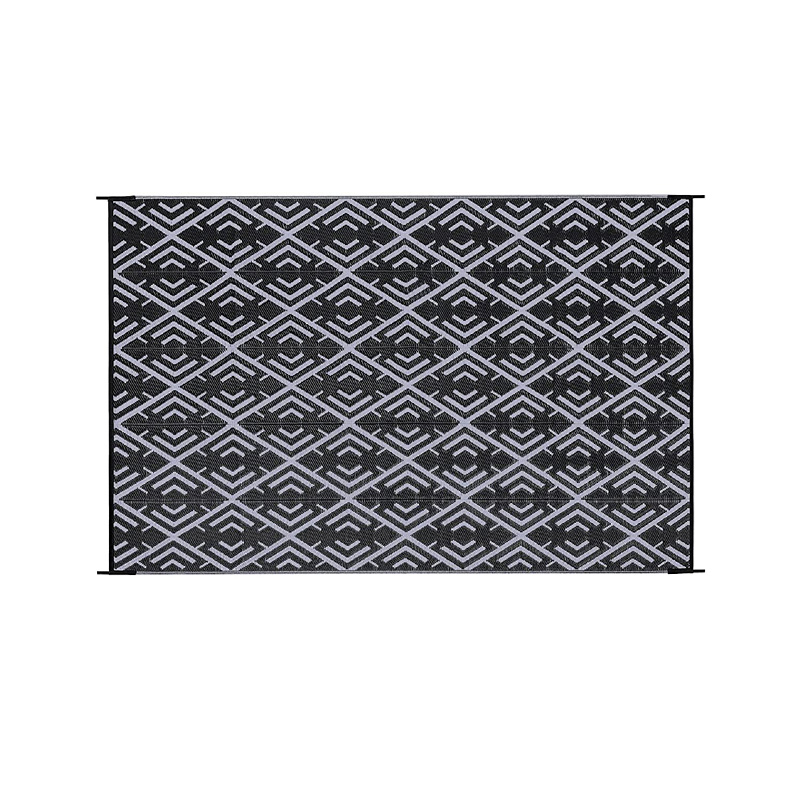
Lightweight Polypropylene Plastic Outdoor RV Mat
For RV owners, the ground space outside the vehicle quickly becomes part of daily living. A good out...
-
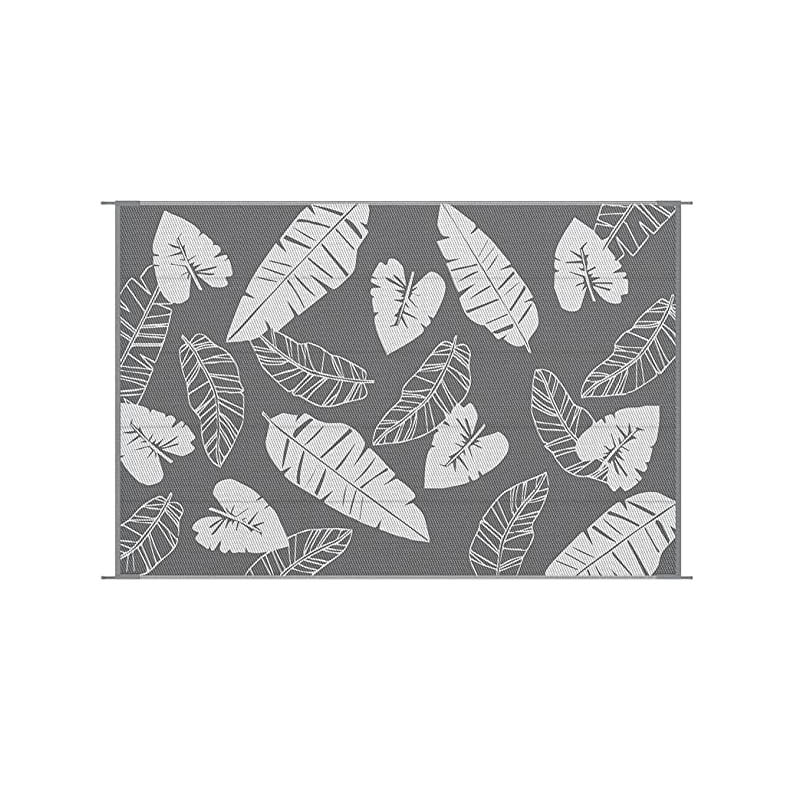
Large Foldable Anti-UV PP Weaving Straw RV Rug
When RV users set up an outdoor living area, the mat is often one of the first items placed beside t...
-
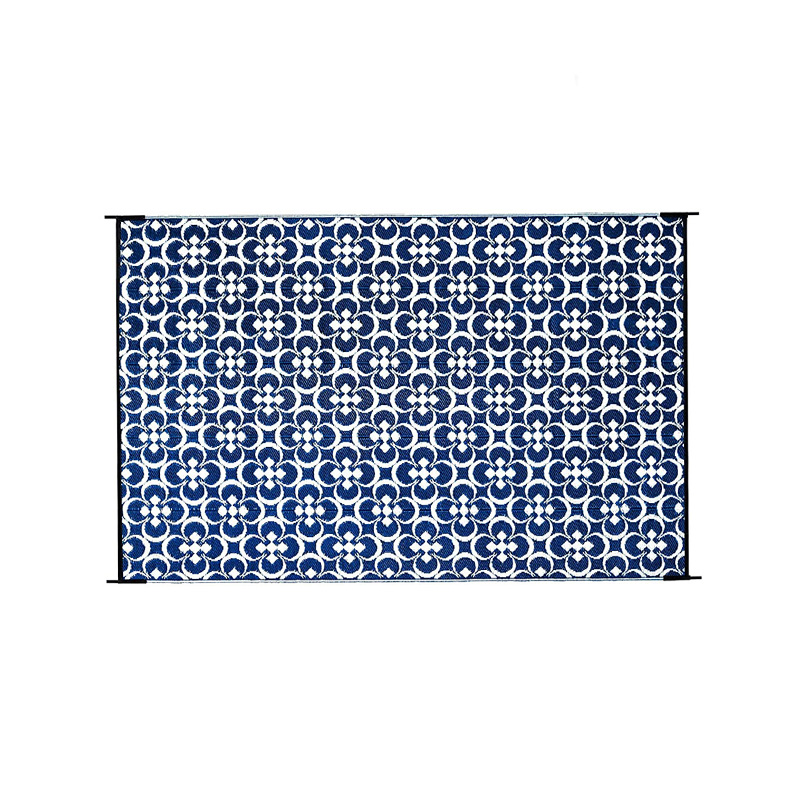
Recycled Moistureproof Plaid Outdoor Mat For RV
Features Heavy-Duty & High Quality & Durability: Our heavy-duty reversible RV mats are made ...
-
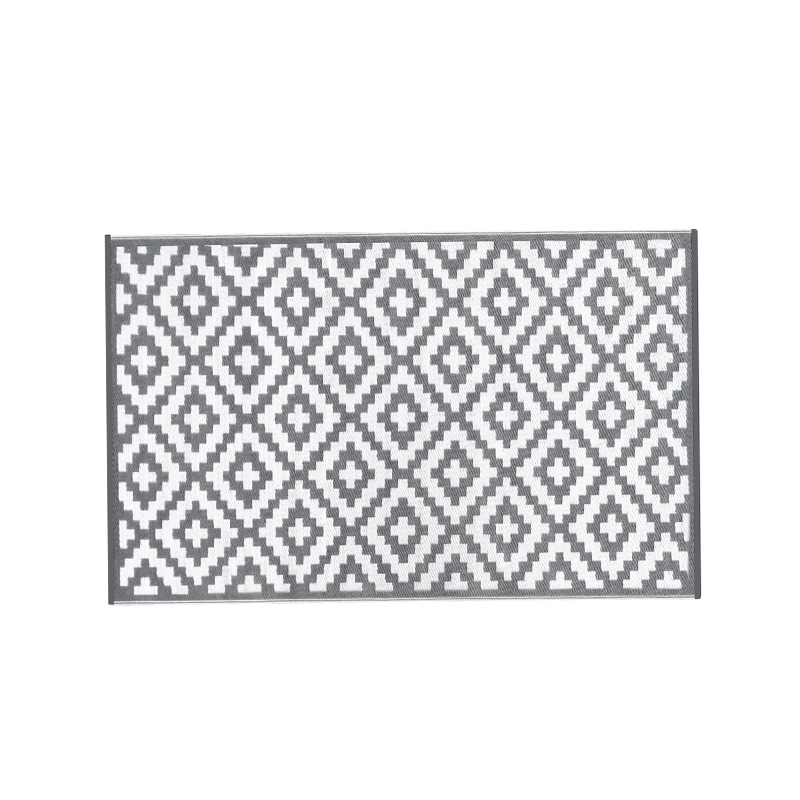
UV Resistant Patio Outdoor Rug
Elevate your outdoor spaces with the UV Resistant Patio Outdoor Rug from Aiyisi, thoughtfully design...
-
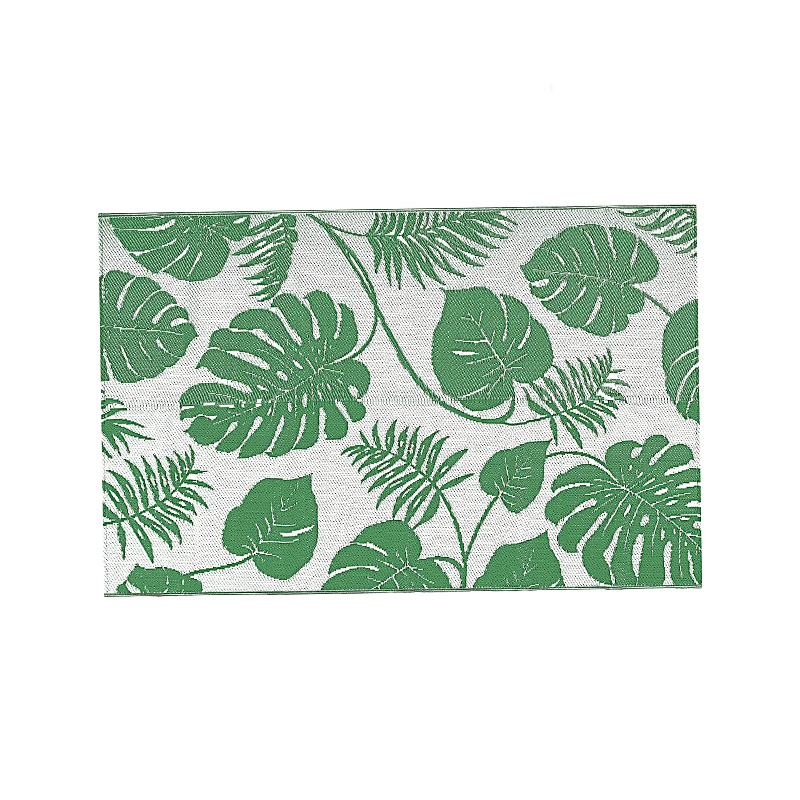
Durable Outdoor Polypropylene Mat For Patio
Features Reversible Outdoor Rug: The outdoor plastic straw rug with timeless medallion design is ele...
-
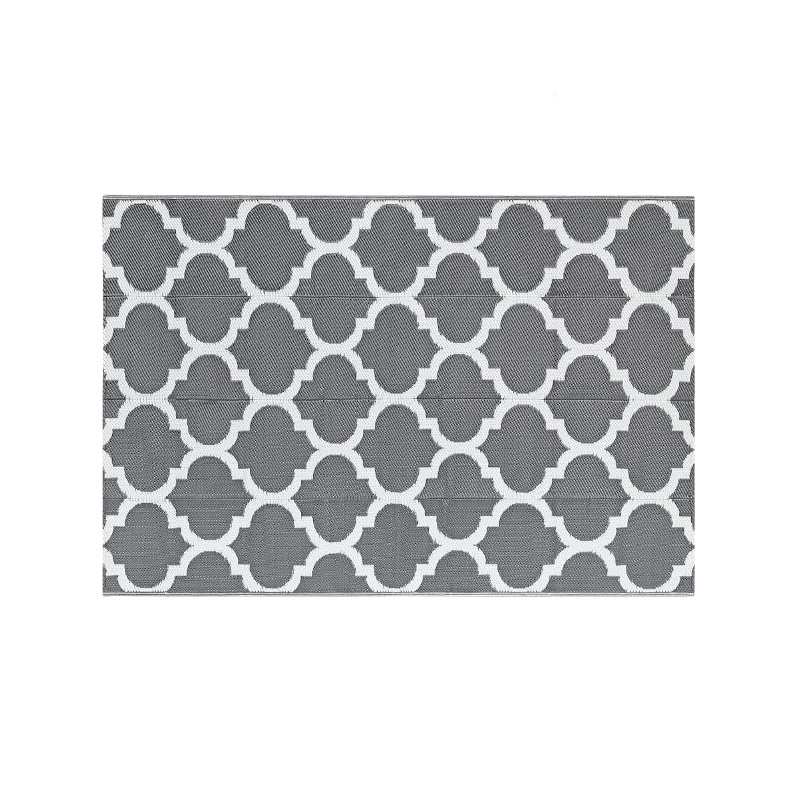
Recycled Plastic Straw Matting For Outside
Built for spaces that see real outdoor living, this recycled plastic straw mat adds a finished look ...
-
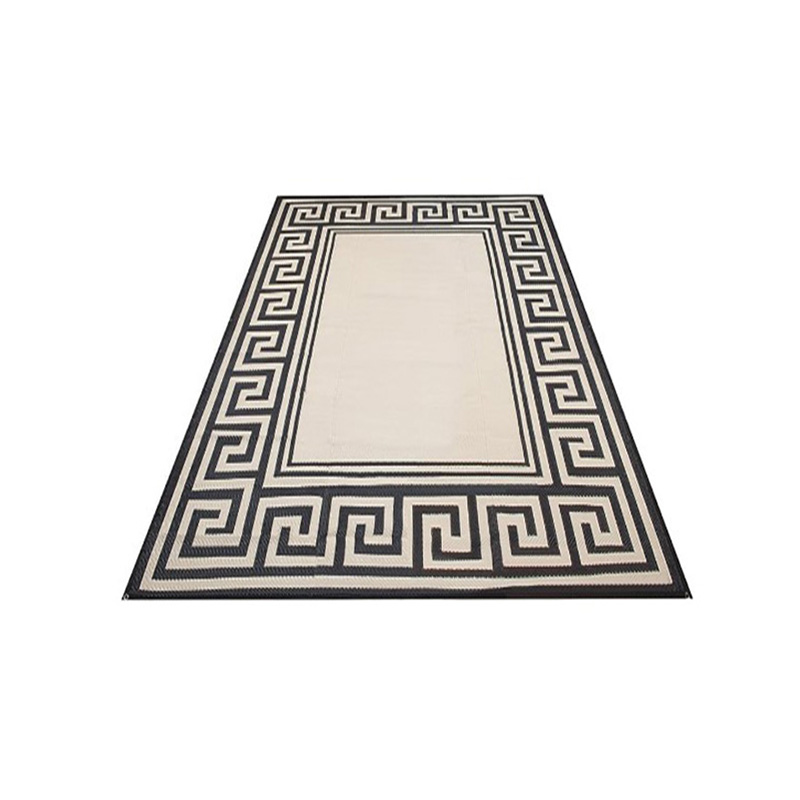
BSCI Audit PP Straw Camping Outdoor Rug
Description Introducing the BSCI Audit PP Straw Camping Outdoor Rug by AIYISI, an outdoor gear manuf...
-
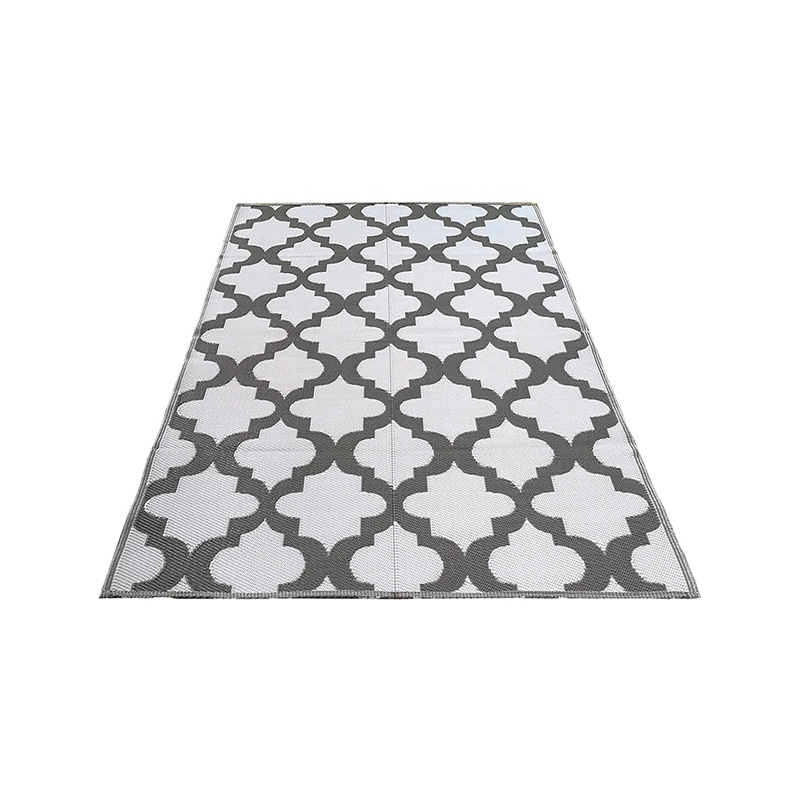
Plastic Matting Cheap PP Woven Recycled Campping Mats
This plastic matting offers a practical choice for outdoor activities with its construction from rec...

- FAX : 86-0576-83352177
- E-mail : [email protected]
- Phone : +86-0576-83207588
- Add: No.10 Yongan Road, Binhai industrial park, Sanmen County, Taizhou City, Zhejiang, China.
 Facebook
 Youtube
 Twitter
 Instagram