

 English
 Deutsch

Don't hesitate to send a message
Search
Recent Post
Newsletter
Advantages and Disadvantages of Polypropylene Patio Outdoor Rugs
Introduction to Outdoor Rug Materials
Outdoor rugs have become essential for patios, decks, and garden spaces, providing comfort, style, and protection against outdoor elements. Among the popular materials are polypropylene, polyethylene, and nylon. Each material has unique properties that affect durability, appearance, and suitability for different environments. Choosing the right rug requires understanding the advantages and disadvantages of each material. Polypropylene Patio Outdoor Rug Supplier products are often highlighted for their balance of cost, performance, and maintenance.
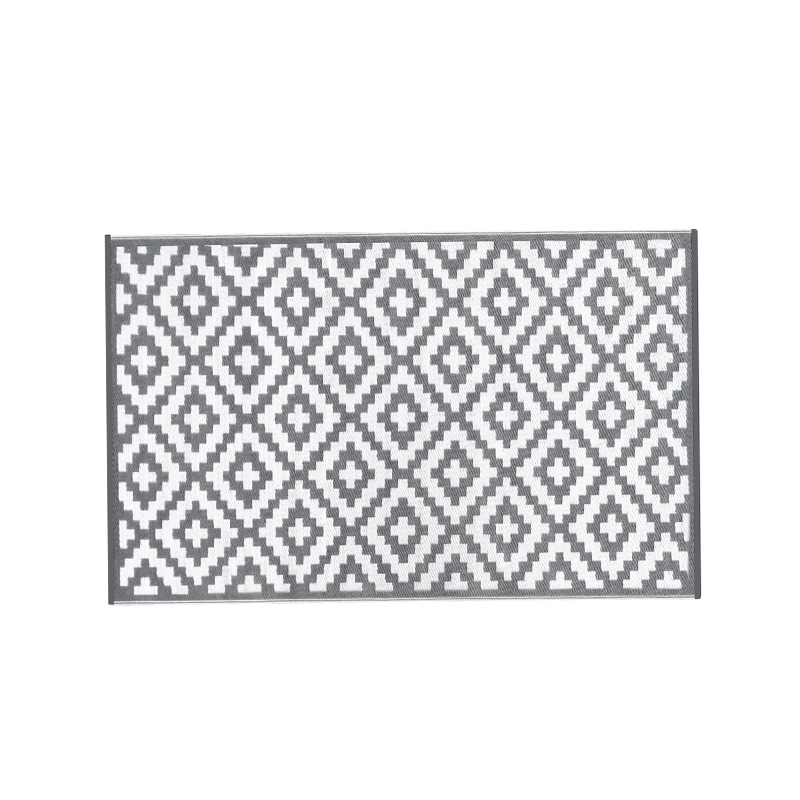
Advantages of Polypropylene Patio Outdoor Rugs
- Durability and Weather Resistance: Polypropylene rugs are highly resistant to moisture, mold, and mildew, making them suitable for humid or rainy climates. They can endure direct sun exposure without significant fading.
- Stain Resistance: This material naturally repels stains and spills, which simplifies cleaning. Most stains can be removed with mild soap and water.
- Lightweight and Flexible: Polypropylene rugs are easy to move, store, and roll, making them ideal for changing seasonal setups or temporary outdoor events.
- Cost-Effectiveness: Compared to nylon or premium synthetic fibers, polypropylene offers an affordable option without sacrificing essential durability or aesthetic appeal.
Disadvantages of Polypropylene Patio Outdoor Rugs
- Limited Heat Resistance: Polypropylene can soften under bad heat or direct sunlight for extended periods, which may cause minor warping in thinner rugs.
- Less Luxurious Feel: While functional, polypropylene rugs may lack the plushness or texture of nylon, making them less suitable for areas where tactile comfort is a priority.
- Color Retention: Although resistant to fading, over many years of exposure to UV rays, polypropylene colors may become less vibrant than initially.
Comparison with Polyethylene Outdoor Rugs
Polyethylene Advantages: Polyethylene rugs are extremely water-resistant and often have a smoother surface that allows sand and debris to slide off easily. They are ideal for poolside or beach areas.
Polyethylene Disadvantages: These rugs are generally less flexible and can be more expensive than polypropylene. They may also have less aesthetic variety in textures and patterns.
Comparison with Nylon Outdoor Rugs
- Nylon Advantages: Nylon offers good strength, softness, and resilience. It provides a more luxurious feel and maintains its appearance under heavy foot traffic.
- Nylon Disadvantages: Nylon is prone to water absorption and can develop mold or mildew if exposed to moisture for extended periods. It is also more expensive than polypropylene, making it less practical for large outdoor areas.
Maintenance Considerations
- Polypropylene Care: Polypropylene rugs require minimal maintenance. Regular shaking or hosing off with water is sufficient for outdoor conditions. Occasional mild soap cleaning helps maintain appearance.
- Other Materials: Polyethylene requires careful handling to avoid scratches or warping, while nylon demands more frequent cleaning and may need protective treatments to prevent mildew in damp climates.
Selecting the Right Outdoor Rug
When choosing between polypropylene, polyethylene, and nylon, consider the primary use and environmental conditions:
- Polypropylene is ideal for budget-conscious buyers seeking durability and ease of cleaning.
- Polyethylene suits wet areas or sandy environments where water and debris resistance are critical.
- Nylon works well in covered patios or semi-outdoor spaces where comfort and luxury are priorities.
Balanced Choice for Outdoor Spaces
Polypropylene Patio Outdoor Rug Supplier products provide a balanced combination of affordability, durability, and weather resistance, making them a practical choice for outdoor areas. While polyethylene and nylon have advantages in specific scenarios, polypropylene excels as a versatile, low-maintenance solution that withstands various environmental conditions while offering a wide range of colors and patterns for decorative appeal. Understanding these differences ensures homeowners and designers select the suitable material for their outdoor space.
OUR PRODUCTS
Recommended Products
-
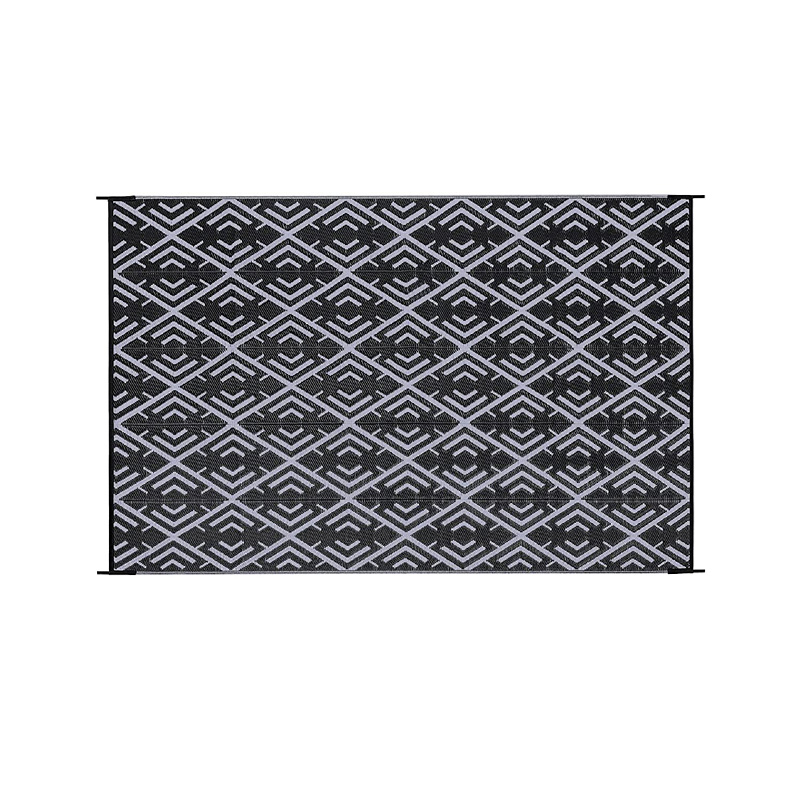
Lightweight Polypropylene Plastic Outdoor RV Mat
For RV owners, the ground space outside the vehicle quickly becomes part of daily living. A good out...
-
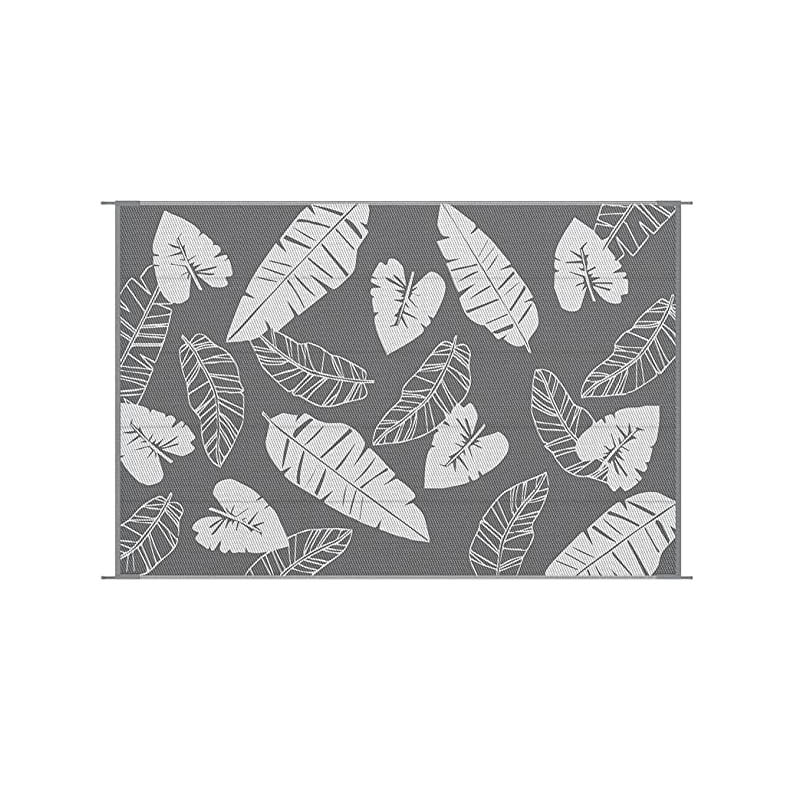
Large Foldable Anti-UV PP Weaving Straw RV Rug
When RV users set up an outdoor living area, the mat is often one of the first items placed beside t...
-
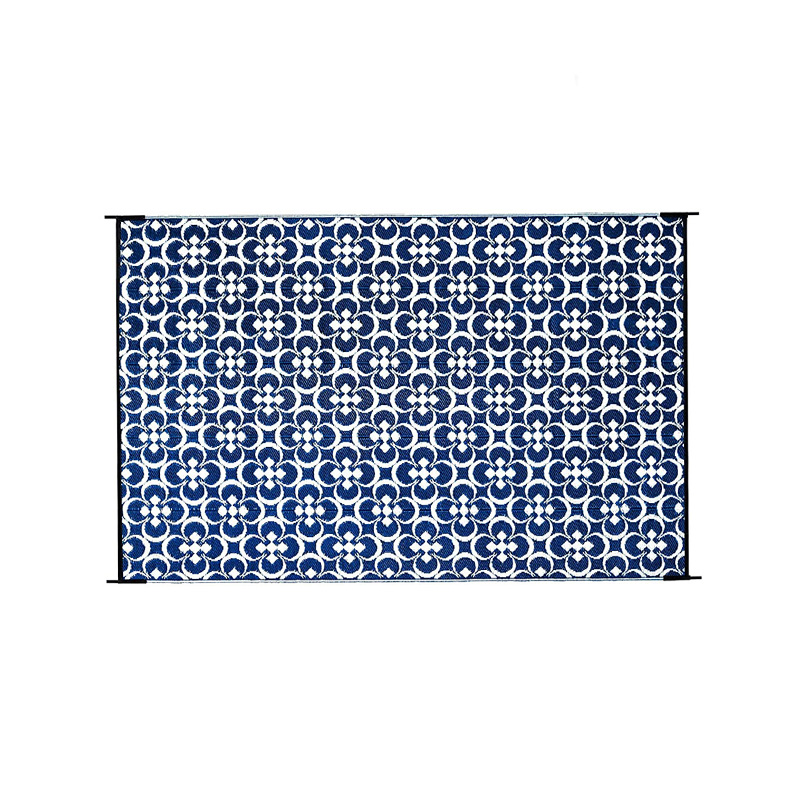
Recycled Moistureproof Plaid Outdoor Mat For RV
Features Heavy-Duty & High Quality & Durability: Our heavy-duty reversible RV mats are made ...
-
UV Resistant Patio Outdoor Rug
Elevate your outdoor spaces with the UV Resistant Patio Outdoor Rug from Aiyisi, thoughtfully design...
-
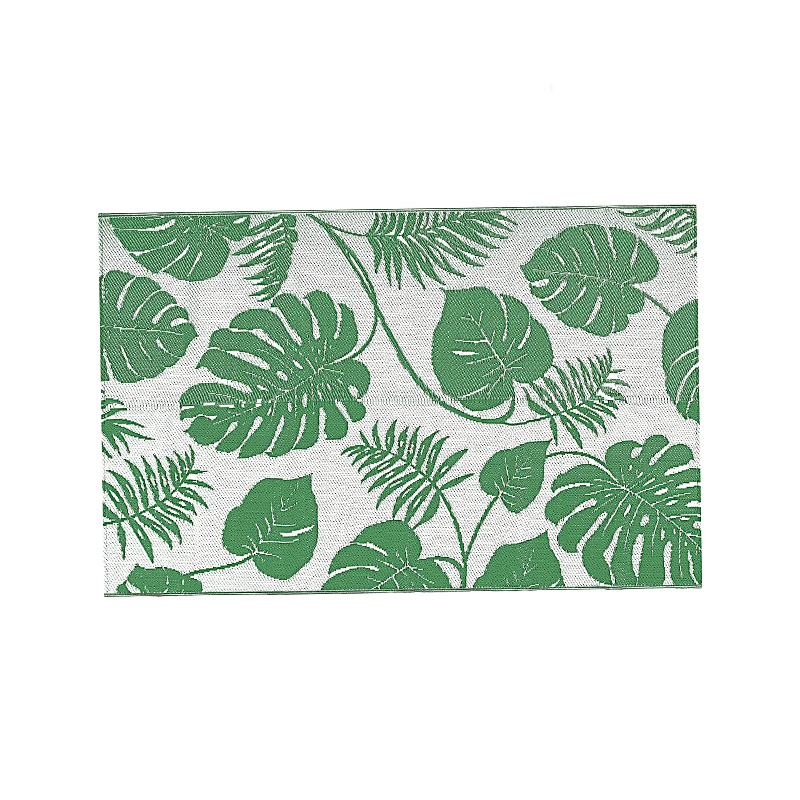
Durable Outdoor Polypropylene Mat For Patio
Features Reversible Outdoor Rug: The outdoor plastic straw rug with timeless medallion design is ele...
-
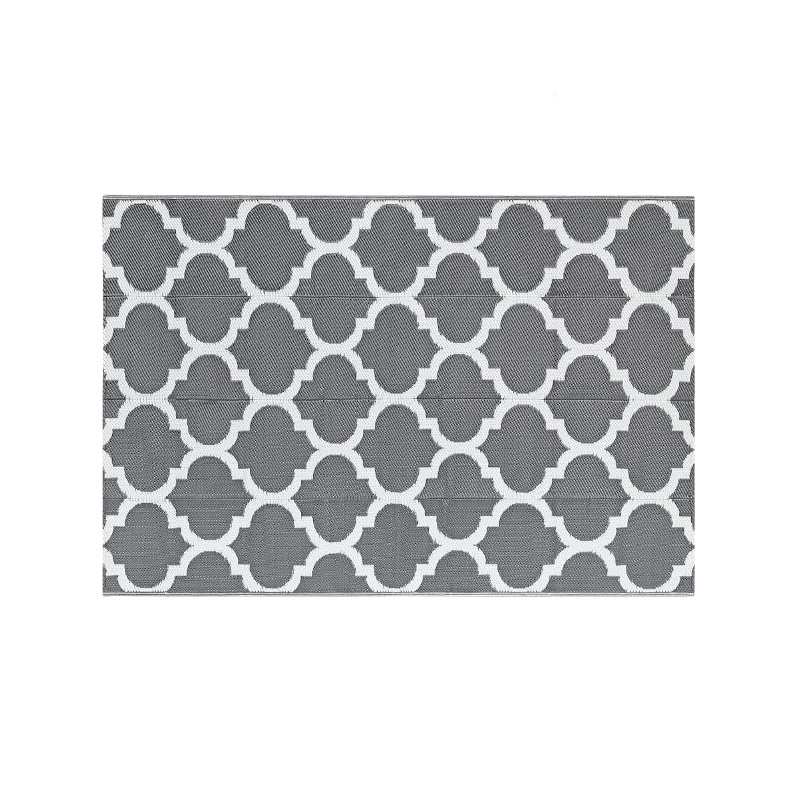
Recycled Plastic Straw Matting For Outside
Built for spaces that see real outdoor living, this recycled plastic straw mat adds a finished look ...
-
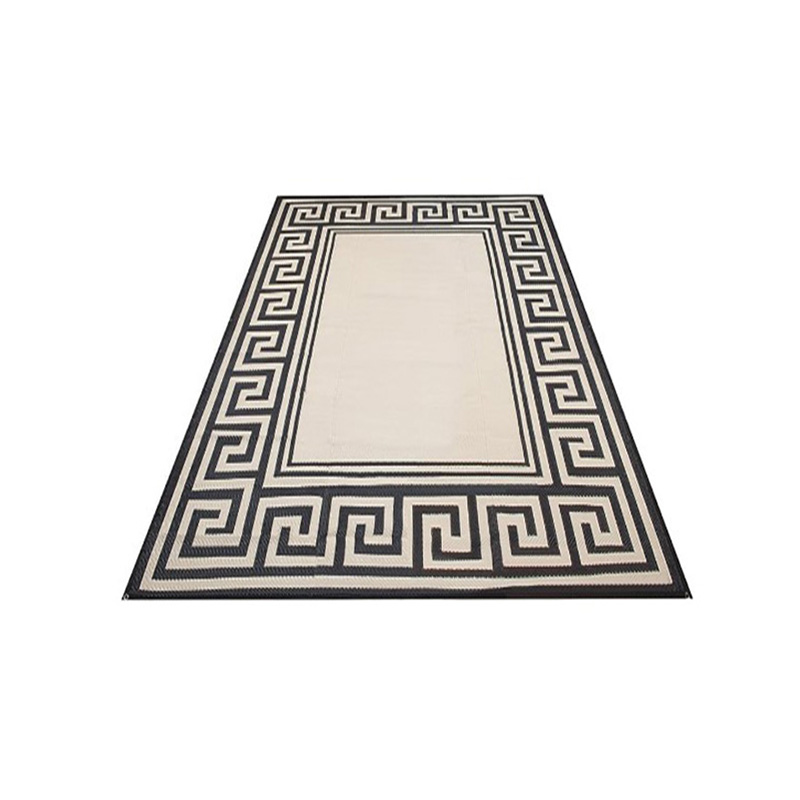
BSCI Audit PP Straw Camping Outdoor Rug
Description Introducing the BSCI Audit PP Straw Camping Outdoor Rug by AIYISI, an outdoor gear manuf...
-
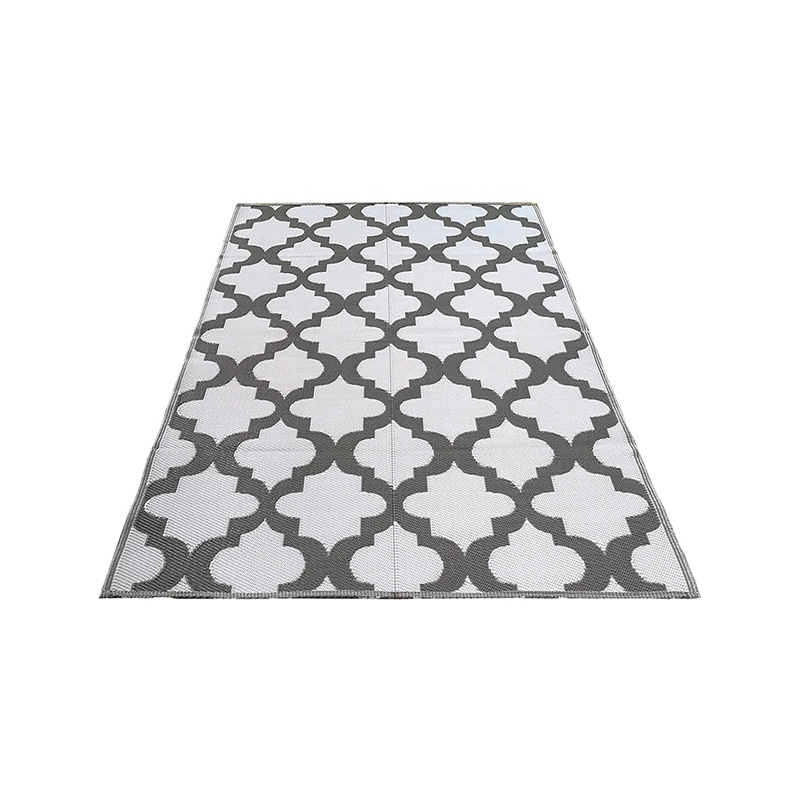
Plastic Matting Cheap PP Woven Recycled Campping Mats
This plastic matting offers a practical choice for outdoor activities with its construction from rec...

- FAX : 86-0576-83352177
- E-mail : [email protected]
- Phone : +86-0576-83207588
- Add: No.10 Yongan Road, Binhai industrial park, Sanmen County, Taizhou City, Zhejiang, China.
 Facebook
 Youtube
 Twitter
 Instagram