

 English
 Deutsch

Don't hesitate to send a message
Search
Recent Post
Newsletter
Heat Resistance and Durability of PP Picnic Mat
Introduction to PP Picnic Mats
Polypropylene (PP) picnic mats are widely used for outdoor activities due to their lightweight, durability, and ease of cleaning. They are favored for beaches, parks, and camping trips. However, a common concern among users is how these mats perform in high-temperature environments. Understanding whether a PP Picnic Mat will deform or soften under heat is important for ensuring safety, comfort, and longevity.
Material Properties of Polypropylene
Heat Tolerance: Polypropylene has a melting point of approximately 160–170°C (320–338°F). While this is much higher than typical outdoor temperatures, prolonged exposure to intense sunlight can cause the mat to soften slightly.
Thermal Expansion: High temperatures can cause minor expansion or warping in thin mats. This does not usually affect performance but may alter appearance temporarily.
Flexibility vs. Rigidity: Thicker PP mats are more resistant to heat-induced softening, while thinner mats may feel more pliable when exposed to direct sunlight for long periods.
Effects of Direct Sunlight
- Surface Temperature Increase: Direct exposure to midday sun can raise the mat’s surface temperature significantly, sometimes exceeding 50–60°C (122–140°F). Users may notice the mat becoming softer or slightly bendable under weight.
- Color Influence: Dark-colored PP mats absorb more heat and are more prone to softening than lighter-colored alternatives. Choosing lighter colors can reduce heat accumulation.
- Temporary Deformation: Slight warping may occur on uneven surfaces, but the mat typically returns to its original shape once cooled.
Factors Affecting Heat Sensitivity
- Thickness and Density: Mats with higher density and thicker construction maintain rigidity better under heat. Thin mats are more susceptible to bending or soft spots.
- Surface Contact: Mats placed directly on hot surfaces, such as asphalt or sand, are exposed to higher temperatures. Using a barrier, such as a towel underneath, can mitigate softening.
- Duration of Exposure: Short-term exposure to heat rarely causes permanent damage. Long-term storage under direct sunlight should be avoided to maintain structural integrity.
Maintenance and Care in Hot Environments
- Shade Storage: When not in use, store the mat in shaded areas or indoors to prevent prolonged heat exposure.
- Cool-Down Periods: Allow mats to cool naturally after extended outdoor use before rolling or folding to avoid permanent creases.
- Regular Inspection: Periodically check for cracks or weakened areas, especially if the mat is frequently used in hot climates.
Usage Tips for Comfort
Choose Appropriate Locations: Place the mat on grass or sand rather than heated surfaces to decrease direct heat impact.
Use Light-Colored Mats: Lighter colors reduce heat absorption, keeping the mat cooler and firmer during use.
Avoid Heavy Loads on Softened Mats: While mats may become slightly pliable under heat, heavy pressure should be avoided until the mat cools to prevent permanent deformation.
Heat Performance of PP Picnic Mats
PP Picnic Mats are highly durable and resistant to deformation in typical outdoor conditions. While high temperatures can temporarily soften or warp thin mats, thicker, high-density mats maintain stability even under intense sunlight. Proper care, including shaded storage, mindful placement, and temperature-conscious usage, ensures that the mat retains its shape, comfort, and functionality for extended outdoor use. By understanding material limits and environmental effects, users can confidently enjoy their picnic mats in warm climates without compromising safety or longevity.
OUR PRODUCTS
Recommended Products
-
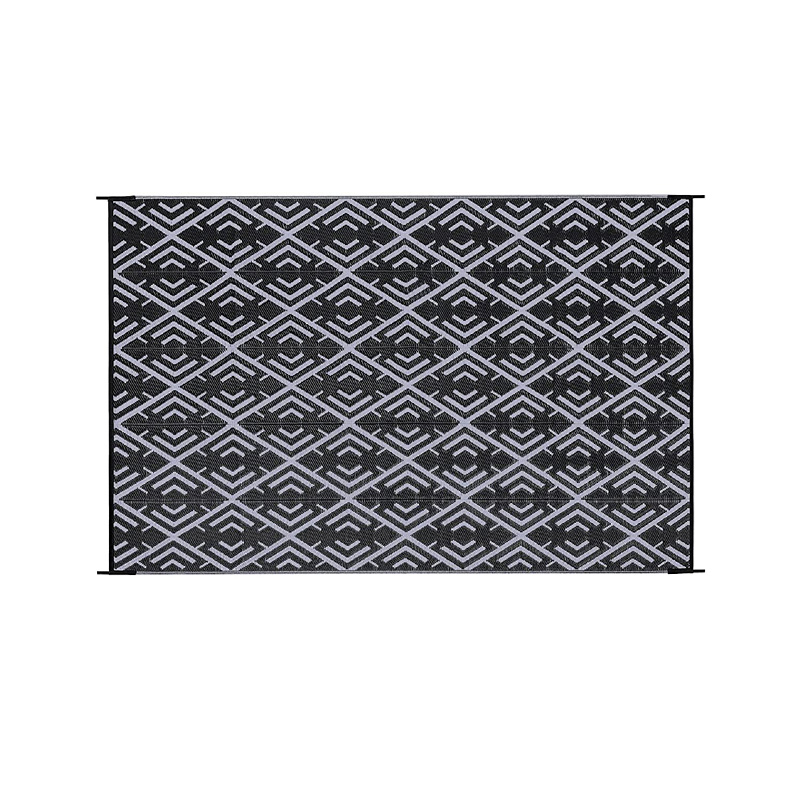
Lightweight Polypropylene Plastic Outdoor RV Mat
For RV owners, the ground space outside the vehicle quickly becomes part of daily living. A good out...
-
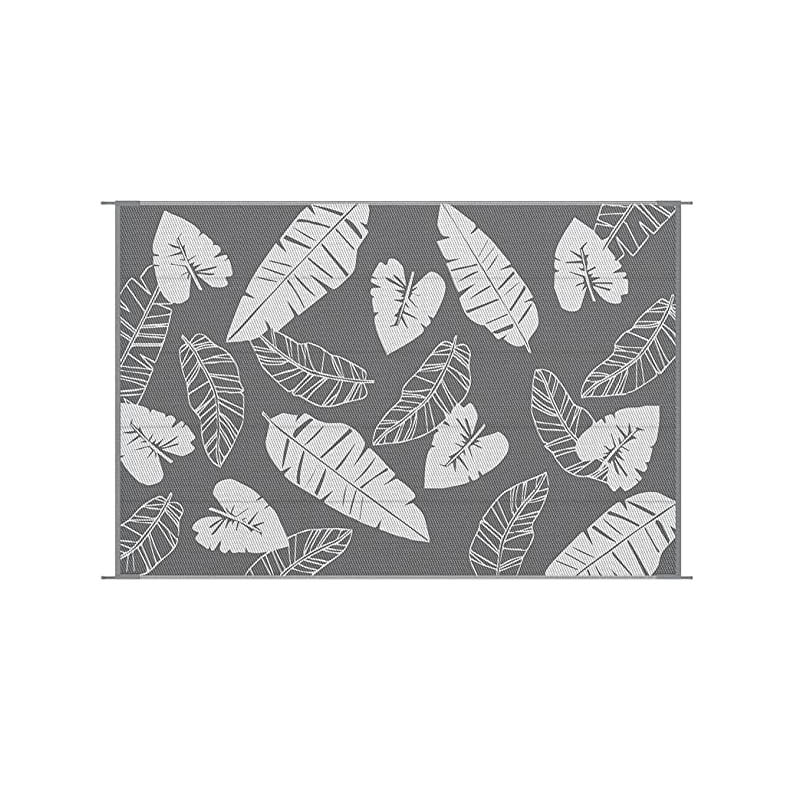
Large Foldable Anti-UV PP Weaving Straw RV Rug
When RV users set up an outdoor living area, the mat is often one of the first items placed beside t...
-
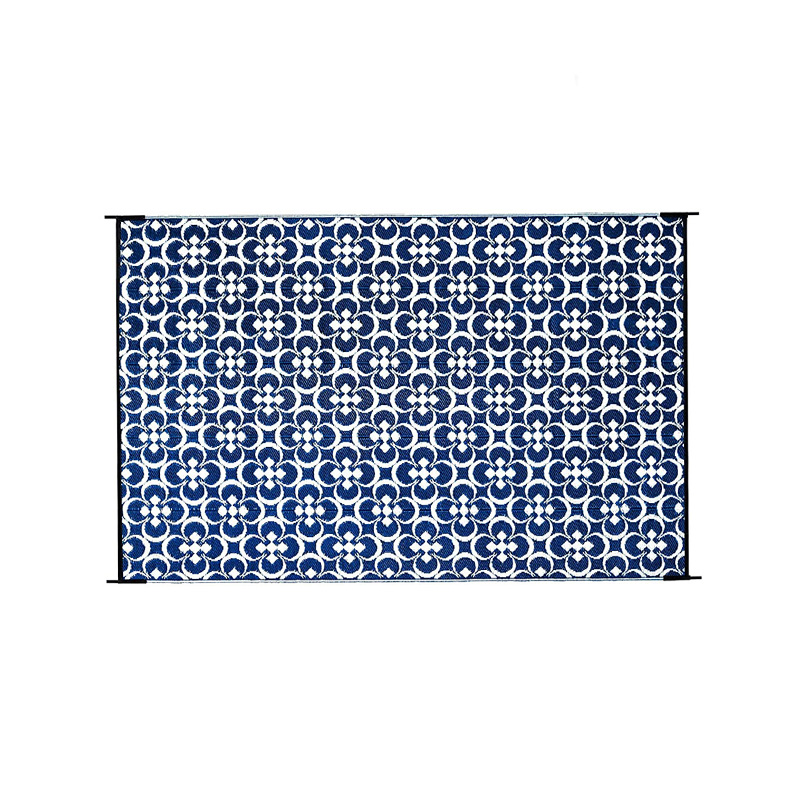
Recycled Moistureproof Plaid Outdoor Mat For RV
Features Heavy-Duty & High Quality & Durability: Our heavy-duty reversible RV mats are made ...
-
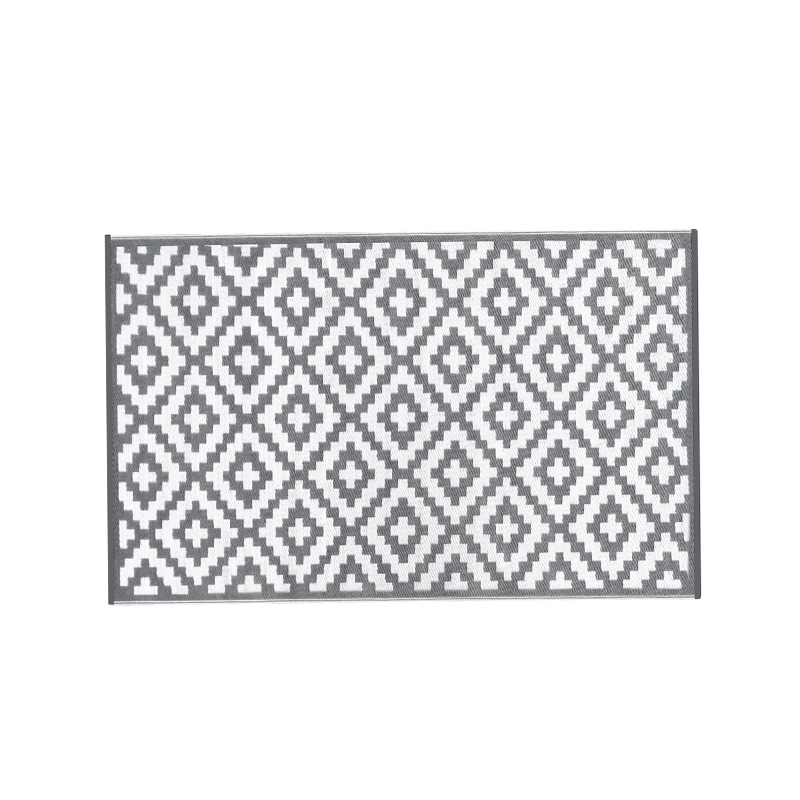
UV Resistant Patio Outdoor Rug
Elevate your outdoor spaces with the UV Resistant Patio Outdoor Rug from Aiyisi, thoughtfully design...
-
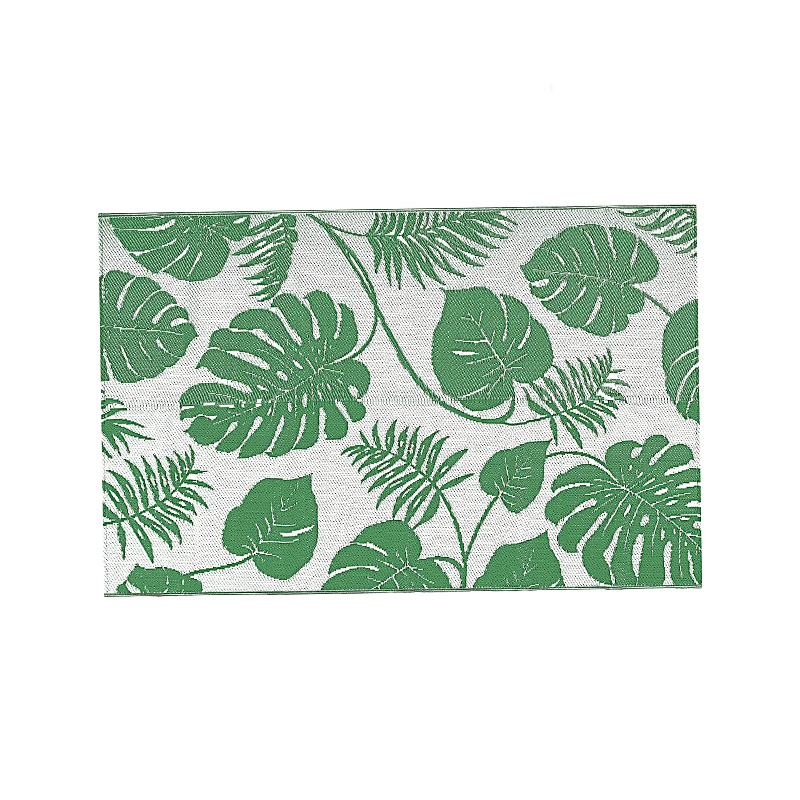
Durable Outdoor Polypropylene Mat For Patio
Features Reversible Outdoor Rug: The outdoor plastic straw rug with timeless medallion design is ele...
-
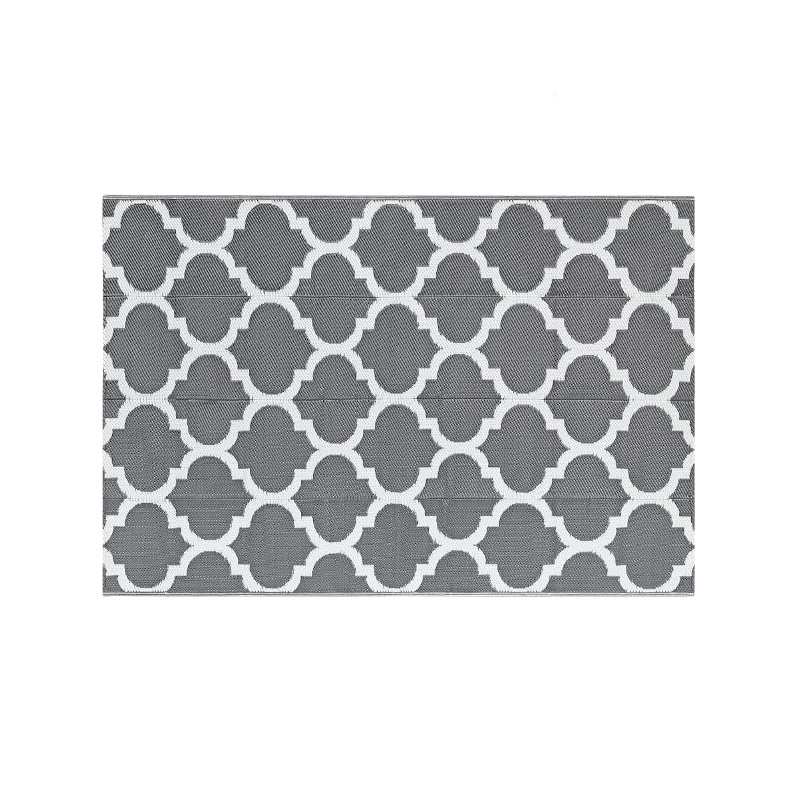
Recycled Plastic Straw Matting For Outside
Built for spaces that see real outdoor living, this recycled plastic straw mat adds a finished look ...
-
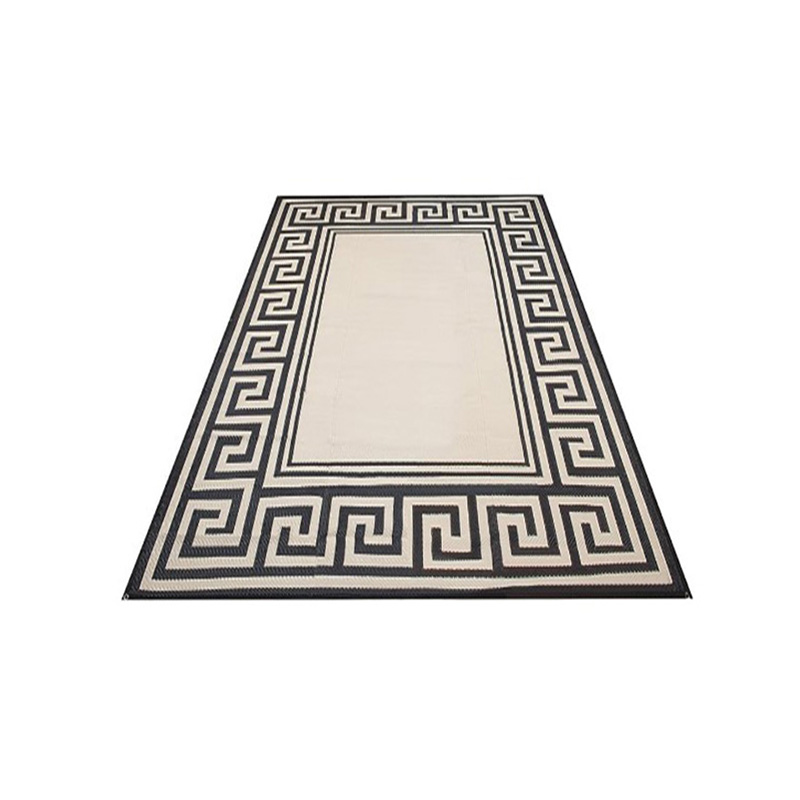
BSCI Audit PP Straw Camping Outdoor Rug
Description Introducing the BSCI Audit PP Straw Camping Outdoor Rug by AIYISI, an outdoor gear manuf...
-
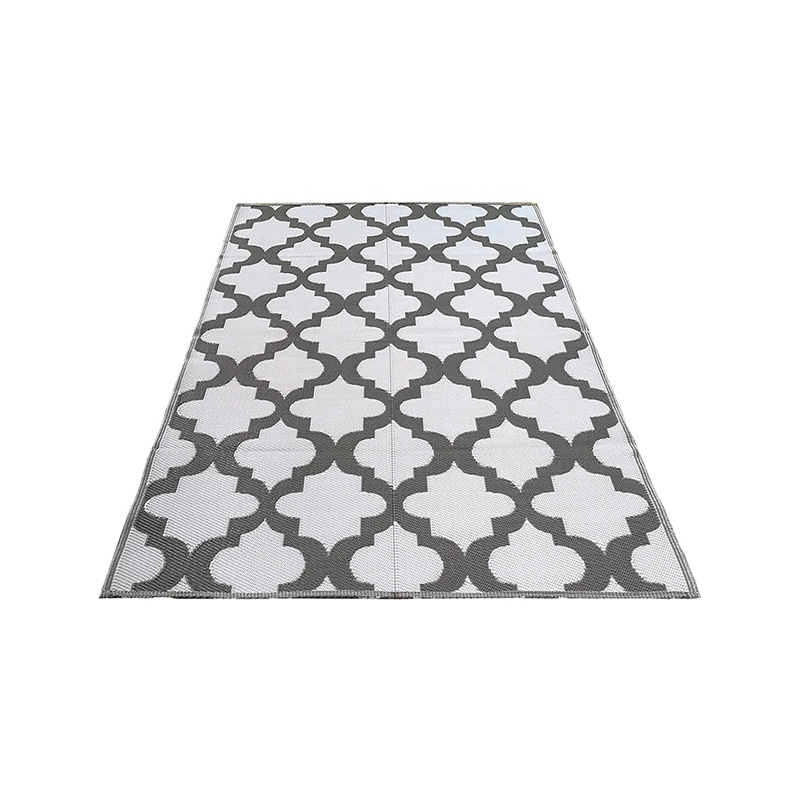
Plastic Matting Cheap PP Woven Recycled Campping Mats
This plastic matting offers a practical choice for outdoor activities with its construction from rec...

- FAX : 86-0576-83352177
- E-mail : [email protected]
- Phone : +86-0576-83207588
- Add: No.10 Yongan Road, Binhai industrial park, Sanmen County, Taizhou City, Zhejiang, China.
 Facebook
 Youtube
 Twitter
 Instagram