

 English
 Deutsch

Don't hesitate to send a message
Search
Recent Post
Newsletter
UV-Resistant Caravans Rugs: What Procurement Teams and Distributors Should Know About PP Woven Outdoor Flooring
The outdoor leisure products category has expanded considerably over the past several years, driven largely by sustained growth in the RV travel market across North America, Europe, and Australia. Within that expansion, flooring and ground cover products — particularly those designed for caravans and mobile outdoor living — have moved from being considered accessory items to category staples that buyers at major retailers now source with the same scrutiny applied to furniture or shelter products.
For procurement teams evaluating UV-resistant caravan rugs, understanding the material science behind the product is increasingly important. Sourcing decisions made purely on price or aesthetics tend to result in return volume and shelf underperformance.
Why UV Resistance Is a Functional Specification, Not a Marketing Label
Polypropylene is the dominant material in outdoor woven rug production for good reason. Its inherent chemical structure resists moisture absorption, making it suitable for environments where fabric-based alternatives would mold, rot, or degrade within a single season. However, standard polypropylene without UV stabilization loses color and structural integrity relatively quickly under sustained direct sunlight — a problem that becomes commercially significant when products sold for RV and caravan use are deployed in high-UV environments like southern Europe, the American Southwest, or coastal Australia.
UV-treated polypropylene incorporates stabilizers that interrupt the photodegradation process at the polymer chain level, slowing the breakdown of color pigments and maintaining tensile strength over longer exposure periods. For buyers, this distinction matters in two practical ways: first, it affects whether the product holds up through a full outdoor season without visible fading or surface deterioration; second, it determines whether the product can be credibly positioned and warrantied for outdoor RV use in warm-climate markets rather than being limited to sheltered patio or seasonal use only.
Reversible Design and Its Role in SKU Efficiency
One specification worth particular attention for retail buyers is the dual-sided weave pattern now offered by a number of manufacturers. A reversible construction — distinct patterns on each face — effectively doubles the visual utility of a single product, which has implications for how the item performs at the shelf level and how it functions in the hands of the end user.
From a category management perspective, a reversible caravan rug addresses two common consumer motivations in one SKU: the desire to refresh the appearance of a campsite or awning area without additional cost, and the practical benefit of extending the usable life of the product by rotating surfaces. For distributors managing a lean outdoor flooring assortment, a reversible product reduces the number of individual colorways or designs needed to offer perceived variety.
Construction Details That Affect Field Performance
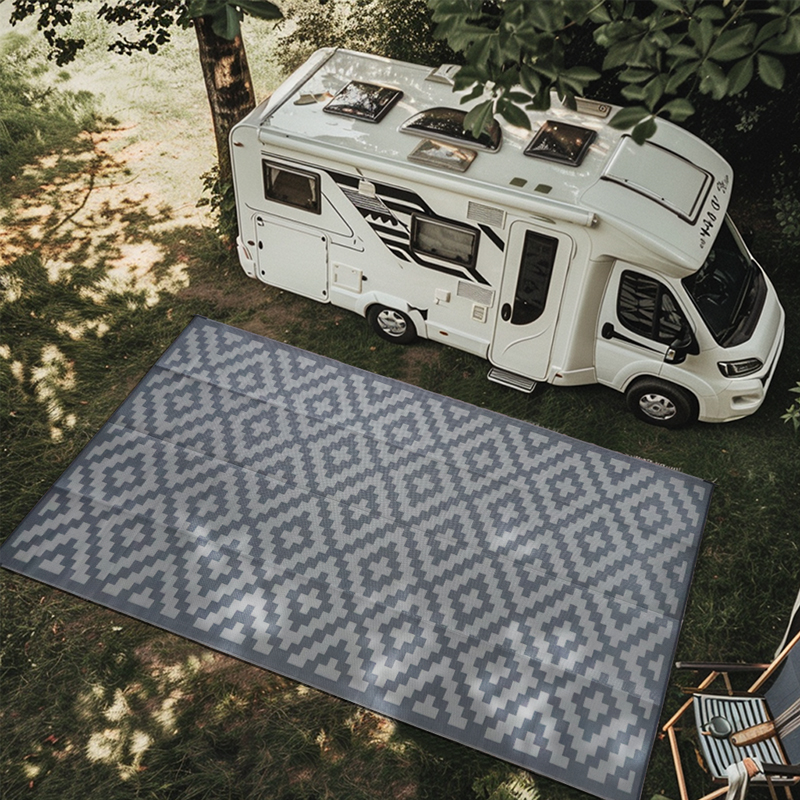
Beyond UV treatment and pattern, several other construction elements determine how a woven PP caravan rug performs under RV-specific conditions. Corner loops with ground stake compatibility are a functional requirement for awning use — without stable anchoring, lightweight rugs shift with wind, create trip hazards, and generate negative end-user feedback that damages brand or category credibility.
Folding seams built into the weave structure — rather than added as post-production lines — allow the rug to collapse predictably along consistent lines without cracking or deforming at the fold points. This matters both for transport (the product needs to store compactly alongside camping equipment and fit into a carrying bag) and for repeat use across multiple seasons. A rug that deforms at fold points after a few deployments communicates poor quality regardless of its other attributes.
The waterproof finish combined with an open woven structure — rather than a sealed backing — allows water to drain through rather than pool on the surface. For use on grass or gravel sites common in European and North American campgrounds, drainage performance reduces the damp and mold issues that damage both the product and the ground surface beneath it.
Evaluating Suppliers on Operational Criteria
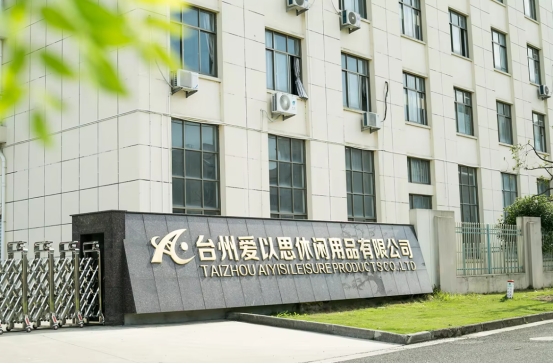
Product specification is only one side of the sourcing decision. Factories producing at the scale required for retail supply chains — annual outputs measured in millions of square meters, compliance certifications covering BSCI and similar auditing frameworks, QC staffing sufficient to maintain consistency across production runs — represent a different category of commercial partner than smaller workshops capable of producing samples but not managing sustained volume.
For buyers establishing or expanding their outdoor flooring assortment, UV-resistant PP woven caravans rugs occupy a clearly defensible position: durable enough for serious outdoor use, manageable on price at retail, and flexible enough in specification to work across multiple channels and geographic markets.
OUR PRODUCTS
Recommended Products
-
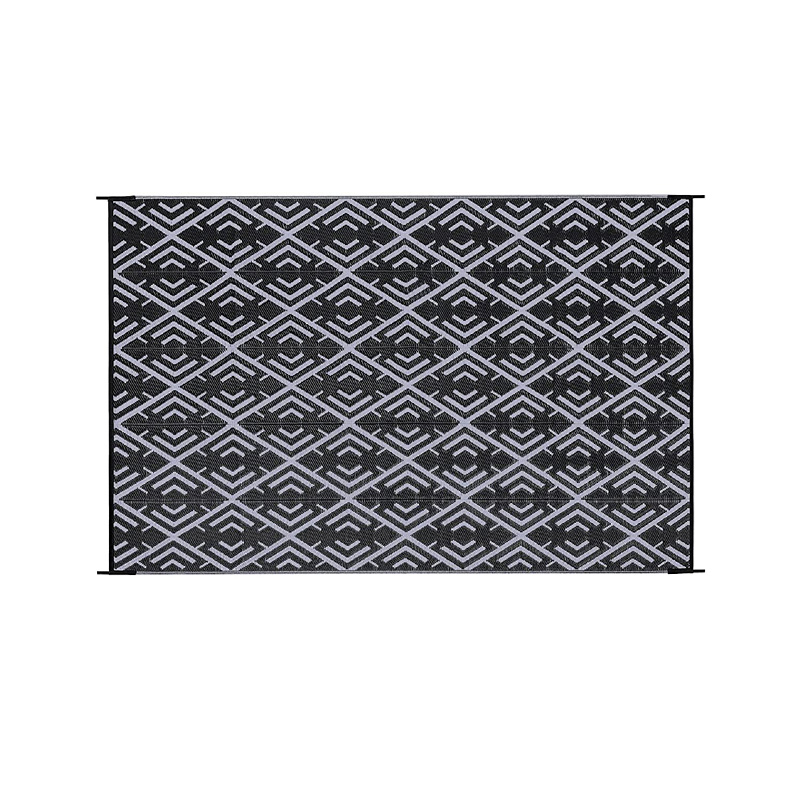
Lightweight Polypropylene Plastic Outdoor RV Mat
For RV owners, the ground space outside the vehicle quickly becomes part of daily living. A good out...
-
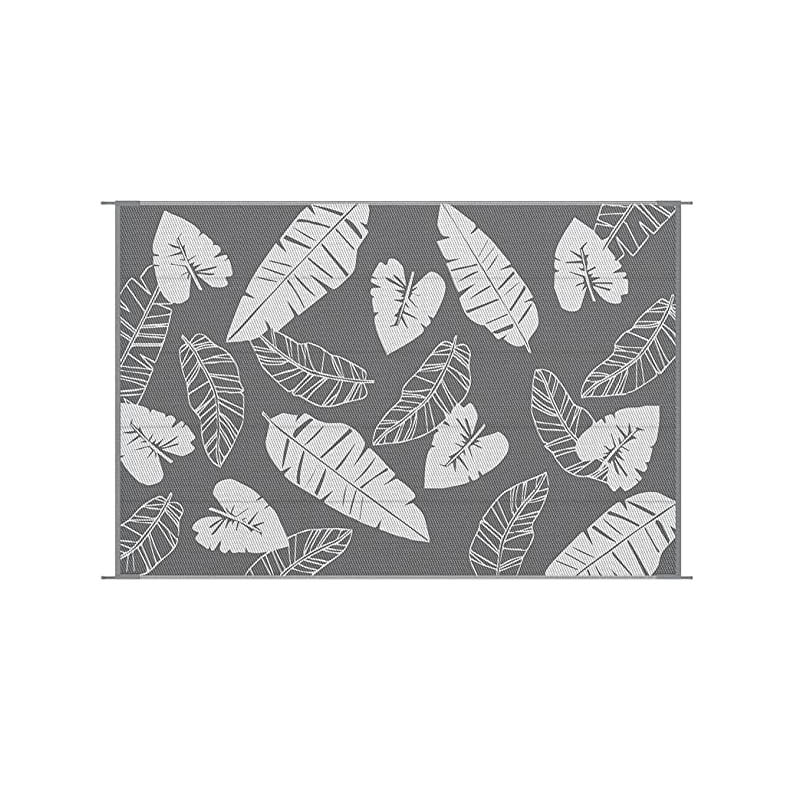
Large Foldable Anti-UV PP Weaving Straw RV Rug
When RV users set up an outdoor living area, the mat is often one of the first items placed beside t...
-
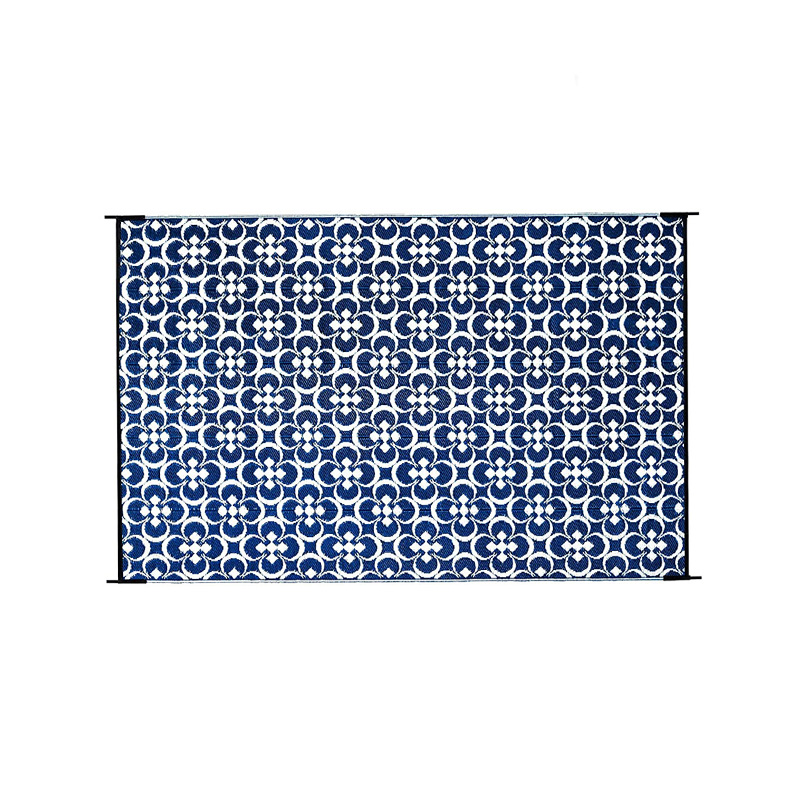
Recycled Moistureproof Plaid Outdoor Mat For RV
Features Heavy-Duty & High Quality & Durability: Our heavy-duty reversible RV mats are made ...
-
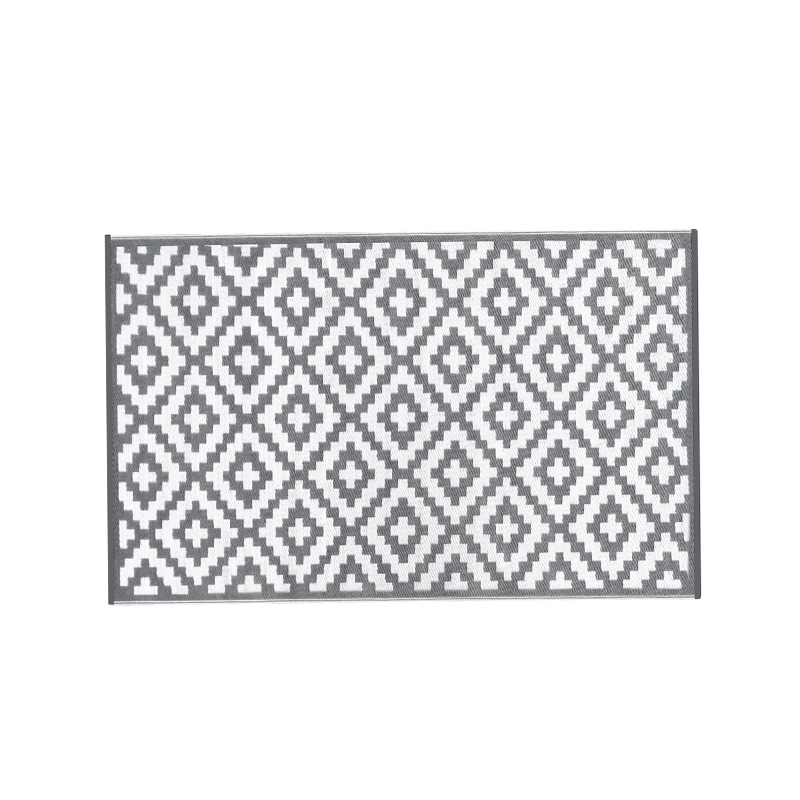
UV Resistant Patio Outdoor Rug
Elevate your outdoor spaces with the UV Resistant Patio Outdoor Rug from Aiyisi, thoughtfully design...
-
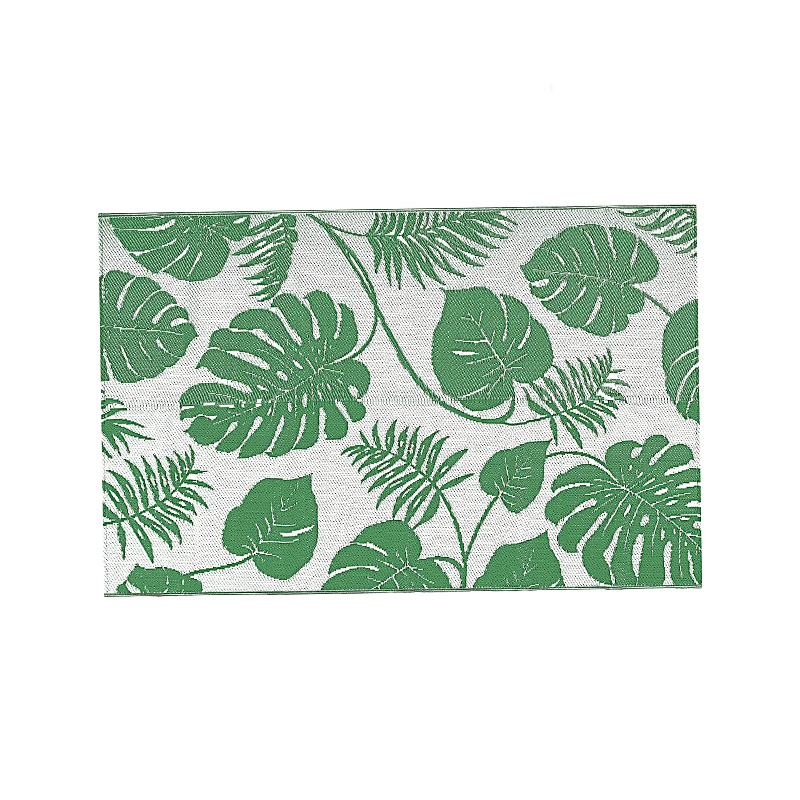
Durable Outdoor Polypropylene Mat For Patio
Features Reversible Outdoor Rug: The outdoor plastic straw rug with timeless medallion design is ele...
-
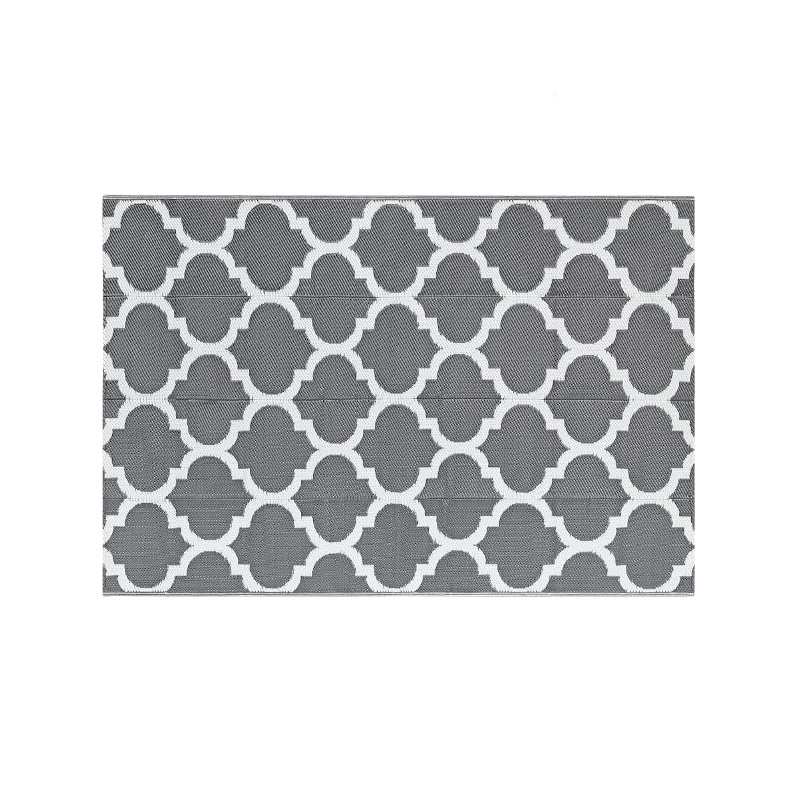
Recycled Plastic Straw Matting For Outside
Built for spaces that see real outdoor living, this recycled plastic straw mat adds a finished look ...
-
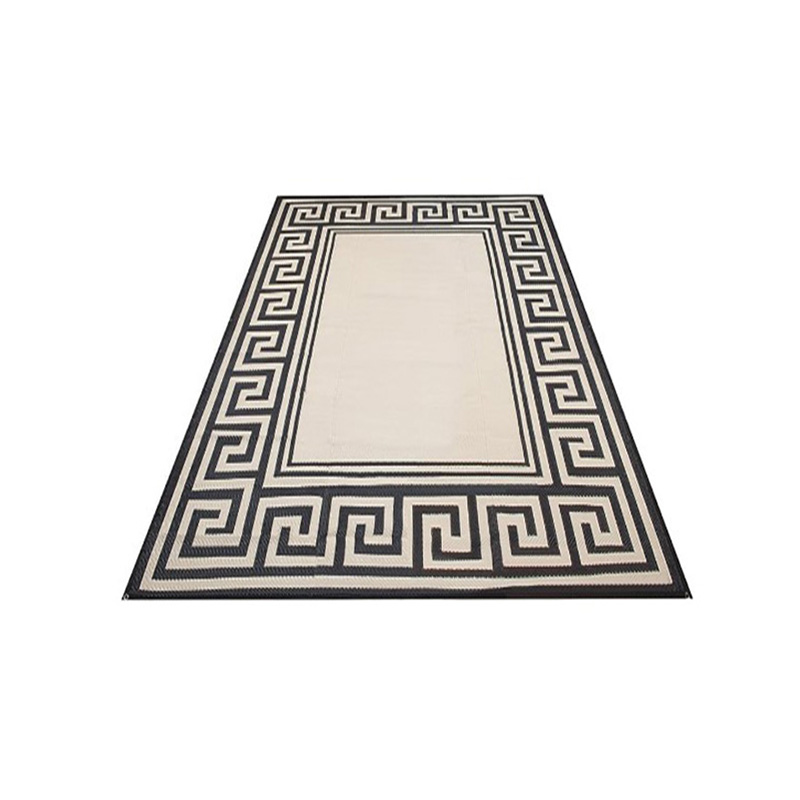
BSCI Audit PP Straw Camping Outdoor Rug
Description Introducing the BSCI Audit PP Straw Camping Outdoor Rug by AIYISI, an outdoor gear manuf...
-
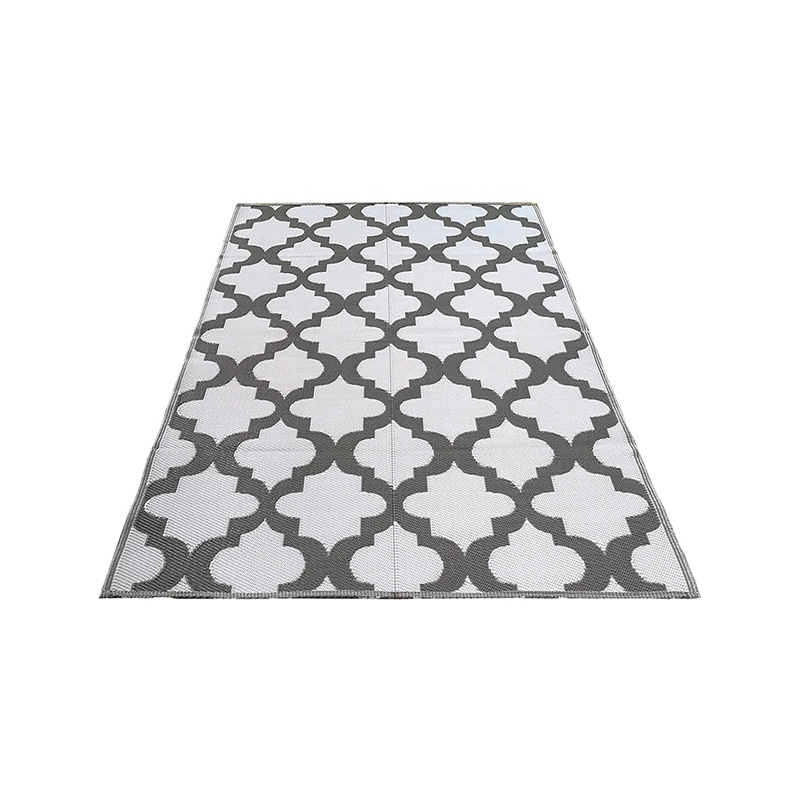
Plastic Matting Cheap PP Woven Recycled Campping Mats
This plastic matting offers a practical choice for outdoor activities with its construction from rec...

- FAX : 86-0576-83352177
- E-mail : [email protected]
- Phone : +86-0576-83207588
- Add: No.10 Yongan Road, Binhai industrial park, Sanmen County, Taizhou City, Zhejiang, China.
 Facebook
 Youtube
 Twitter
 Instagram