

 English
 Deutsch

Don't hesitate to send a message
Search
Recent Post
Newsletter
Why Bell Tent Flooring Matting Is the Upgrade Your Camping Setup Actually Needs
There is a moment every camper knows — you unzip the tent door after a rainy morning, step inside, and immediately feel grit and damp grass under your feet. A decent groundcover does not fix the weather, but it quietly fixes that moment. Bell tent flooring matting is one of those additions that does not get talked about much, yet makes the inside of a canvas tent feel genuinely livable rather than just tolerable.
What Makes Bell Tent Flooring Different from a Standard Camping Rug
Bell tents have a circular footprint, which creates an immediate problem for anyone trying to lay down a conventional rectangular mat. Straight edges leave obvious gaps near the tent wall, collecting debris and looking untidy. Purpose-made bell tent flooring matting is cut to match that round shape — typically supplied as two half-moon pieces that connect to form a complete circle. The fit is clean, the coverage is full, and there are no awkward corners to trip over in low light.
That two-piece design also solves a practical carrying problem. A single circular mat of any useful diameter would be a real hassle to load into a car or drag across a field. Split into halves, the pieces fold down to a manageable size, slide into a bag alongside the rest of your gear, and come out without a fight when you reach the campsite.
Woven Polypropylene: Why the Material Choice Matters
The fabric most commonly used for this kind of matting is woven polypropylene — and the choice is deliberate rather than accidental. Polypropylene is inherently resistant to moisture, which matters when ground conditions shift between dry and damp over the course of a trip. It does not absorb water the way cotton or jute would, so the mat stays lighter and dries faster after rain or a quick rinse.
The woven structure also lets air circulate underneath rather than trapping humidity against the ground. That ventilation helps reduce the clammy condensation that tends to build up under solid foam mats, keeping the underside of the matting — and the ground beneath it — in better condition over a longer stay.
Weight is another area where polypropylene earns its place. Campers consistently rank pack weight as one of the first things they look at when choosing gear. A lightweight woven mat that folds compactly adds real comfort without meaningfully increasing the load.
Day-to-Day Practicality on a Real Campsite
Tent flooring gets used hard. People walk across it in muddy boots, spill food on it, and push furniture around on top of it. The surface needs to handle that kind of daily friction without deteriorating after a single trip.
Woven PP matting holds up well to foot traffic and resists the small tears and snags that rougher ground can cause on thinner materials. When dirt accumulates — and it will — the surface releases debris fairly easily. A shake outside the tent takes care of loose dust. For more stubborn mud or food stains, a wipe with a damp cloth or a quick rinse usually restores it to a clean state without needing any special products. That low-maintenance quality is worth more in practice than it might seem on paper, especially when water access at a campsite is limited.
Beyond the Bell Tent
One reason this type of matting holds its value across a camping season is that it is not locked into a single use. The same pieces that cover the floor of a bell tent on a weekend trip can be spread out for a picnic in the park, used as a clean surface at the beach, or laid down at a backyard gathering. The material handles UV exposure, sand, and general outdoor conditions without breaking down quickly.
For people who camp regularly, own multiple tent types, or run events where covered outdoor space is needed, that flexibility makes each purchase work harder.
Customization for Different Needs
Standard sizing covers most bell tent dimensions, but requirements vary — particularly for glamping operators, event companies, or retailers sourcing for a specific market. Factories producing this type of matting can typically adjust dimensions, offer different colorways, or modify weave patterns to suit particular specifications. That kind of flexibility is useful for anyone buying in volume or building a branded product line.
A Simple Addition with a Noticeable Effect
Camping comfort rarely comes from a single dramatic upgrade. It builds up through a series of smaller decisions — a better sleeping mat, a properly staked shelter, a groundcover that actually fits the tent. Bell tent flooring matting sits firmly in that category. It is not the most exciting piece of gear to think about at the planning stage, but once it is down, the difference between stepping onto a firm woven surface and stepping onto bare ground becomes hard to ignore.
OUR PRODUCTS
Recommended Products
-
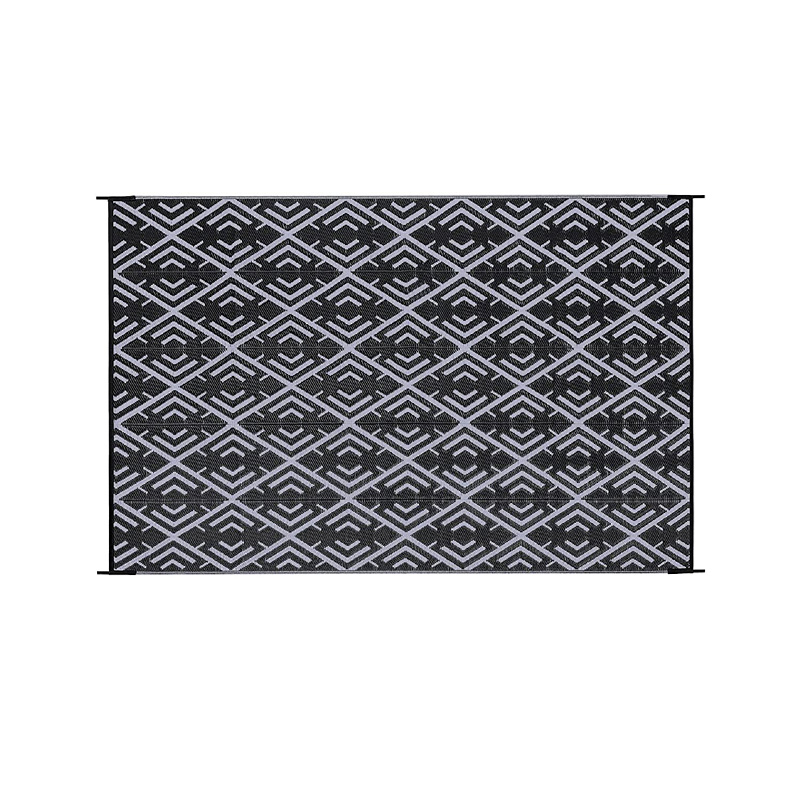
Lightweight Polypropylene Plastic Outdoor RV Mat
For RV owners, the ground space outside the vehicle quickly becomes part of daily living. A good out...
-
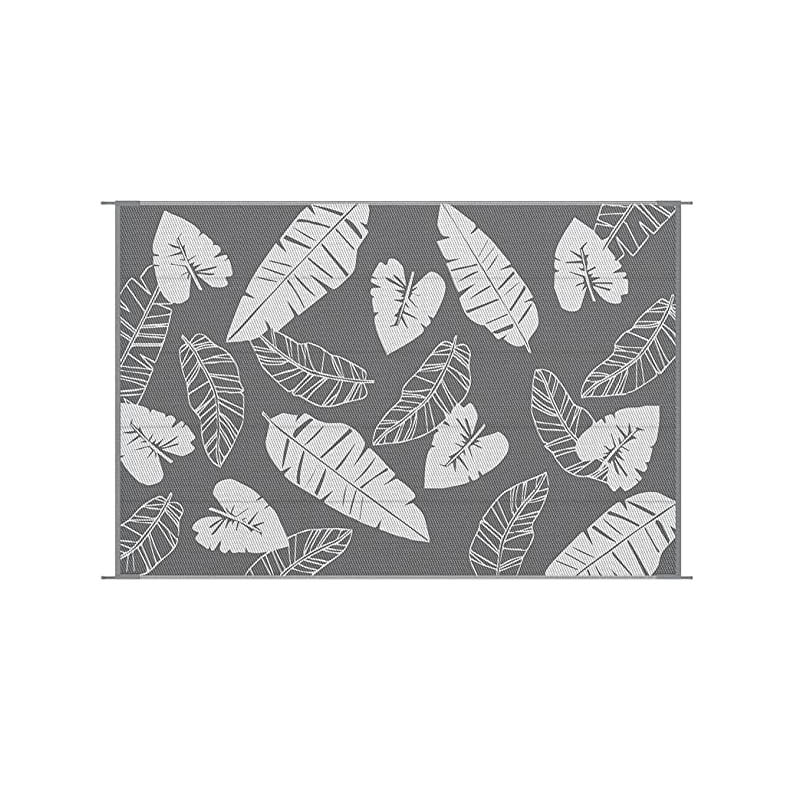
Large Foldable Anti-UV PP Weaving Straw RV Rug
When RV users set up an outdoor living area, the mat is often one of the first items placed beside t...
-
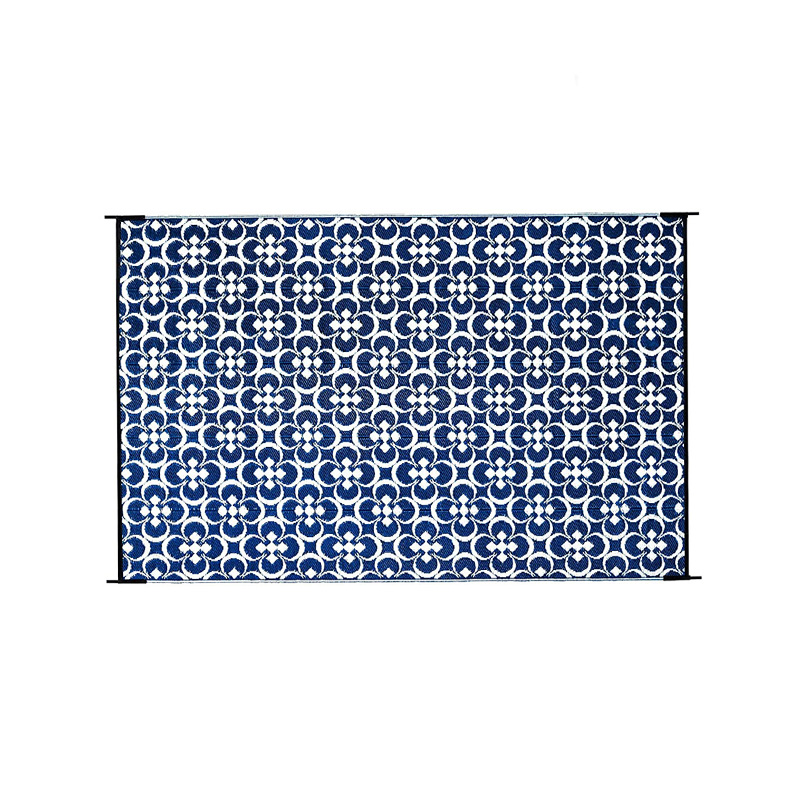
Recycled Moistureproof Plaid Outdoor Mat For RV
Features Heavy-Duty & High Quality & Durability: Our heavy-duty reversible RV mats are made ...
-
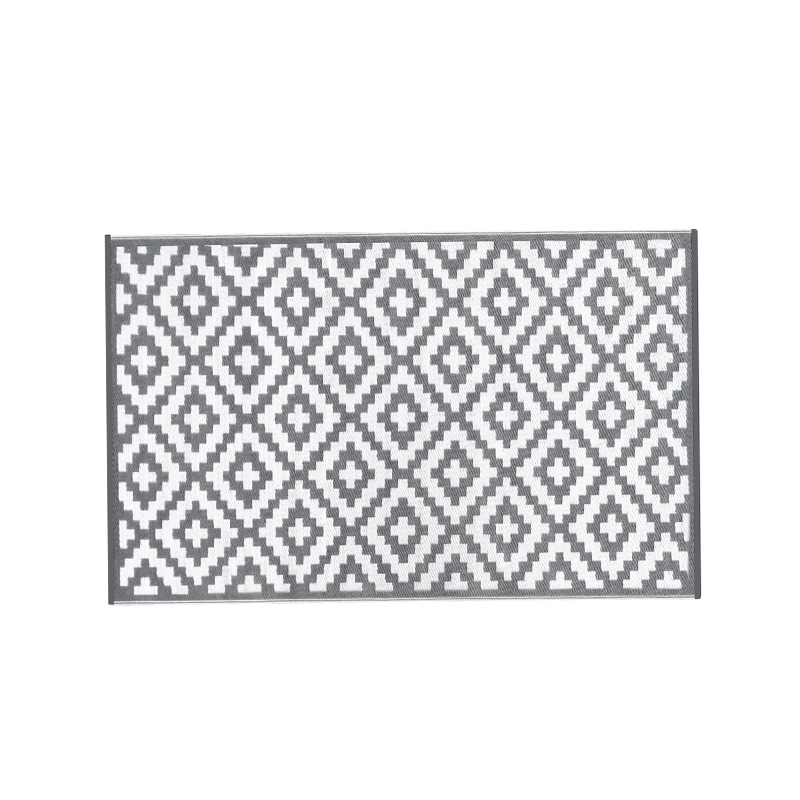
UV Resistant Patio Outdoor Rug
Elevate your outdoor spaces with the UV Resistant Patio Outdoor Rug from Aiyisi, thoughtfully design...
-
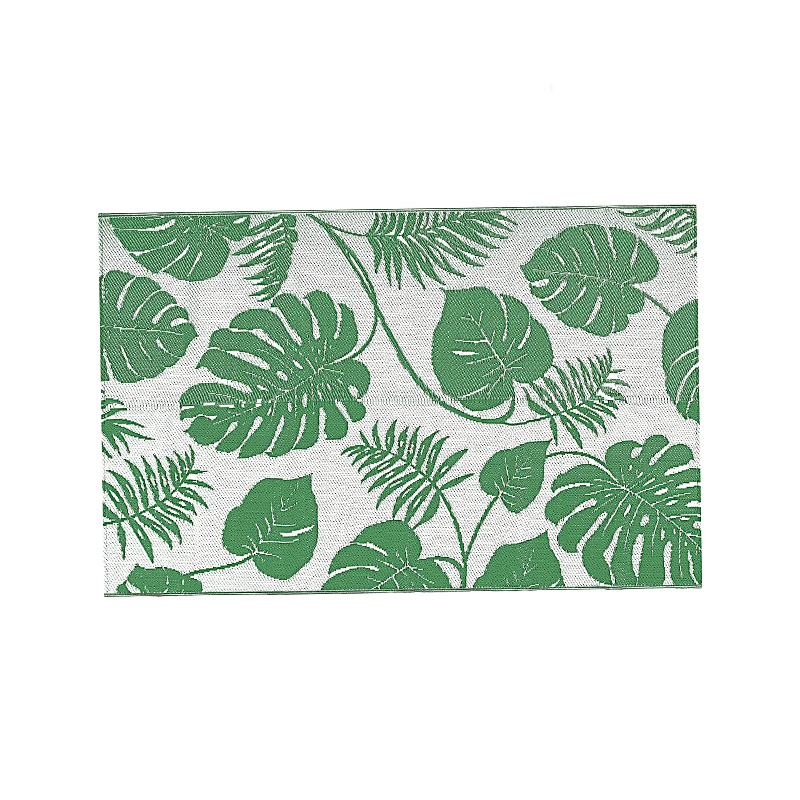
Durable Outdoor Polypropylene Mat For Patio
Features Reversible Outdoor Rug: The outdoor plastic straw rug with timeless medallion design is ele...
-
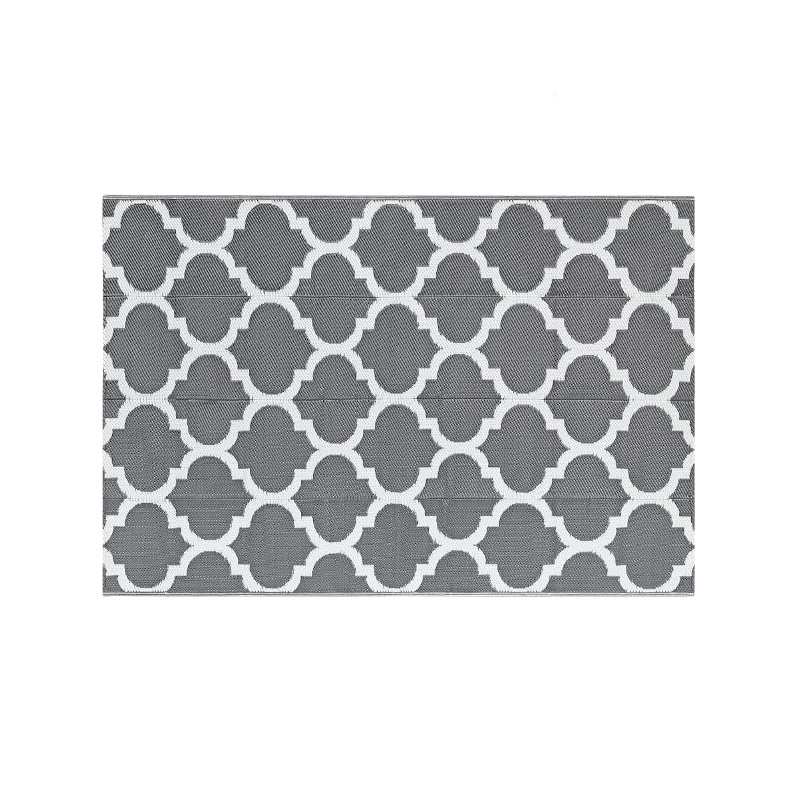
Recycled Plastic Straw Matting For Outside
Built for spaces that see real outdoor living, this recycled plastic straw mat adds a finished look ...
-
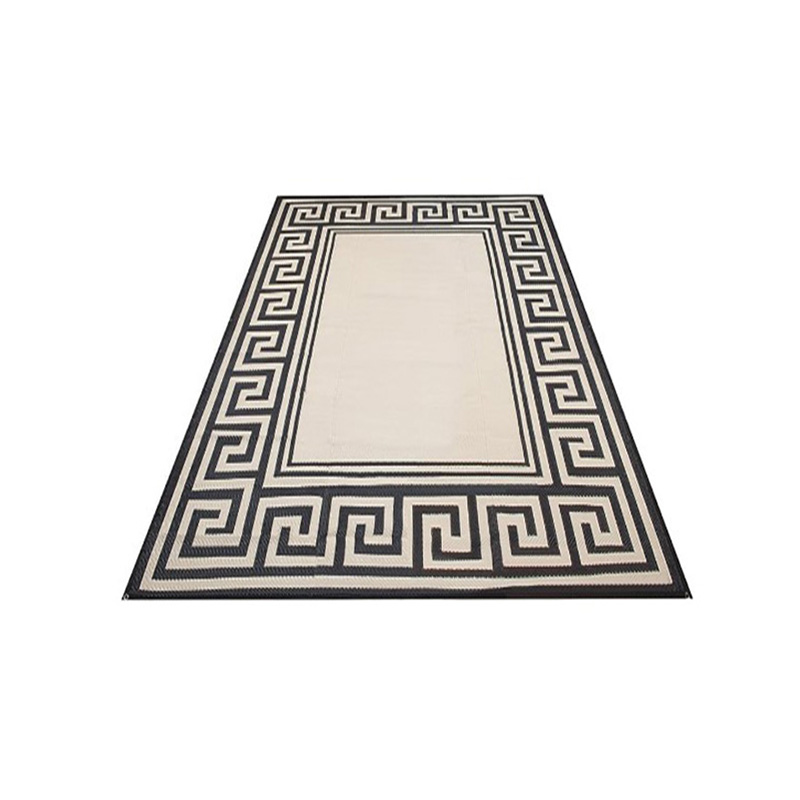
BSCI Audit PP Straw Camping Outdoor Rug
Description Introducing the BSCI Audit PP Straw Camping Outdoor Rug by AIYISI, an outdoor gear manuf...
-
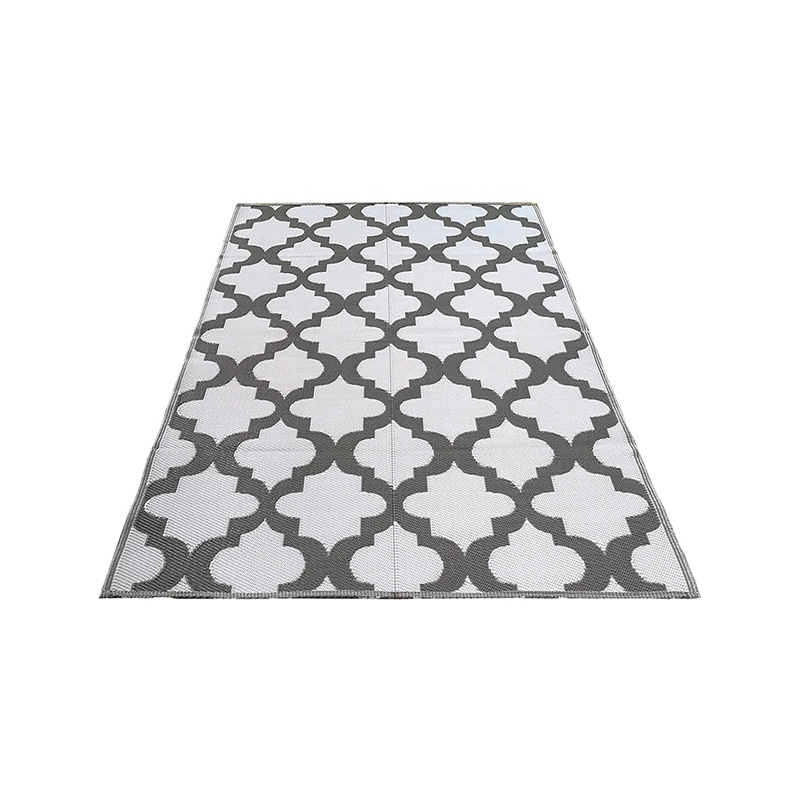
Plastic Matting Cheap PP Woven Recycled Campping Mats
This plastic matting offers a practical choice for outdoor activities with its construction from rec...

- FAX : 86-0576-83352177
- E-mail : [email protected]
- Phone : +86-0576-83207588
- Add: No.10 Yongan Road, Binhai industrial park, Sanmen County, Taizhou City, Zhejiang, China.
 Facebook
 Youtube
 Twitter
 Instagram