

 English
 Deutsch

Don't hesitate to send a message
Search
Recent Post
Newsletter
What Is a PP Picnic Mat and What Makes It Different
Outdoor habits have been changing in quiet ways. People spend more time in parks, on beaches, and in open spaces close to home. Simple items now carry more weight in daily routines. Among them, the picnic mat has taken on a new role. It is no longer just a layer between people and the ground. It shapes comfort, cleanliness, and even the mood of an outdoor moment.
Within this shift, PP picnic mats have gained attention. They are not the only option in the market, yet they stand out for certain reasons. To understand why, it helps to look at what they are made of, how they are used, and how they differ from other materials that serve a similar purpose.
What is a PP Picnic Mat ?
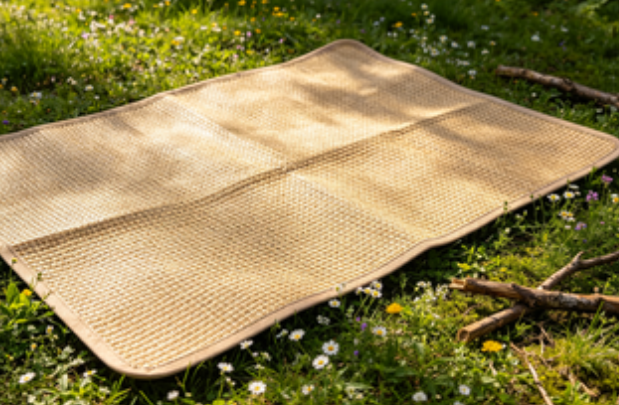
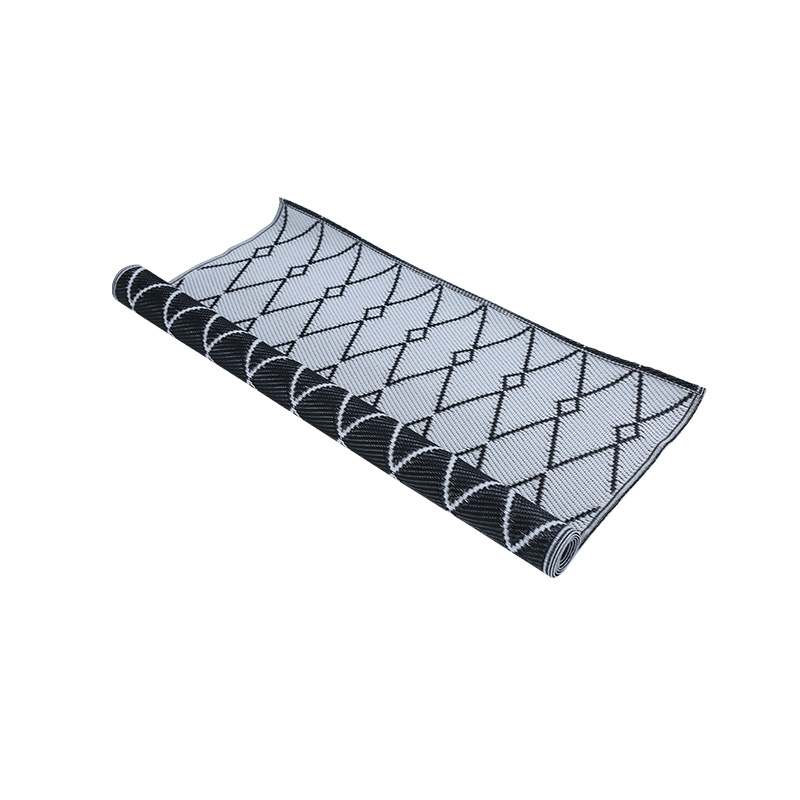
A PP mat is made from polypropylene, a material known for its light weight and structured surface. It is often woven or pressed into a flat sheet that can be folded or rolled.
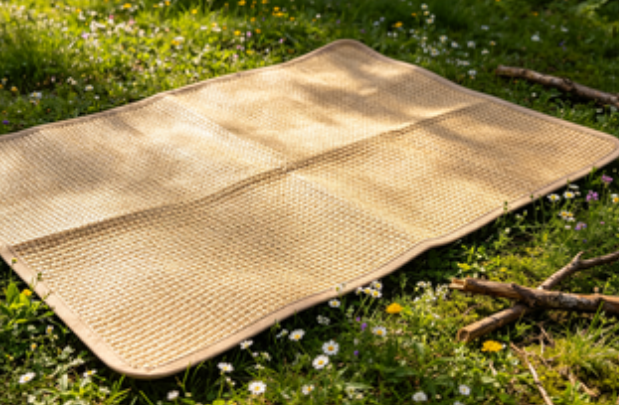
Unlike soft fabric mats, a PP mat has a more defined shape. It does not easily sink or wrinkle under pressure. This gives it a stable base when placed on uneven ground.
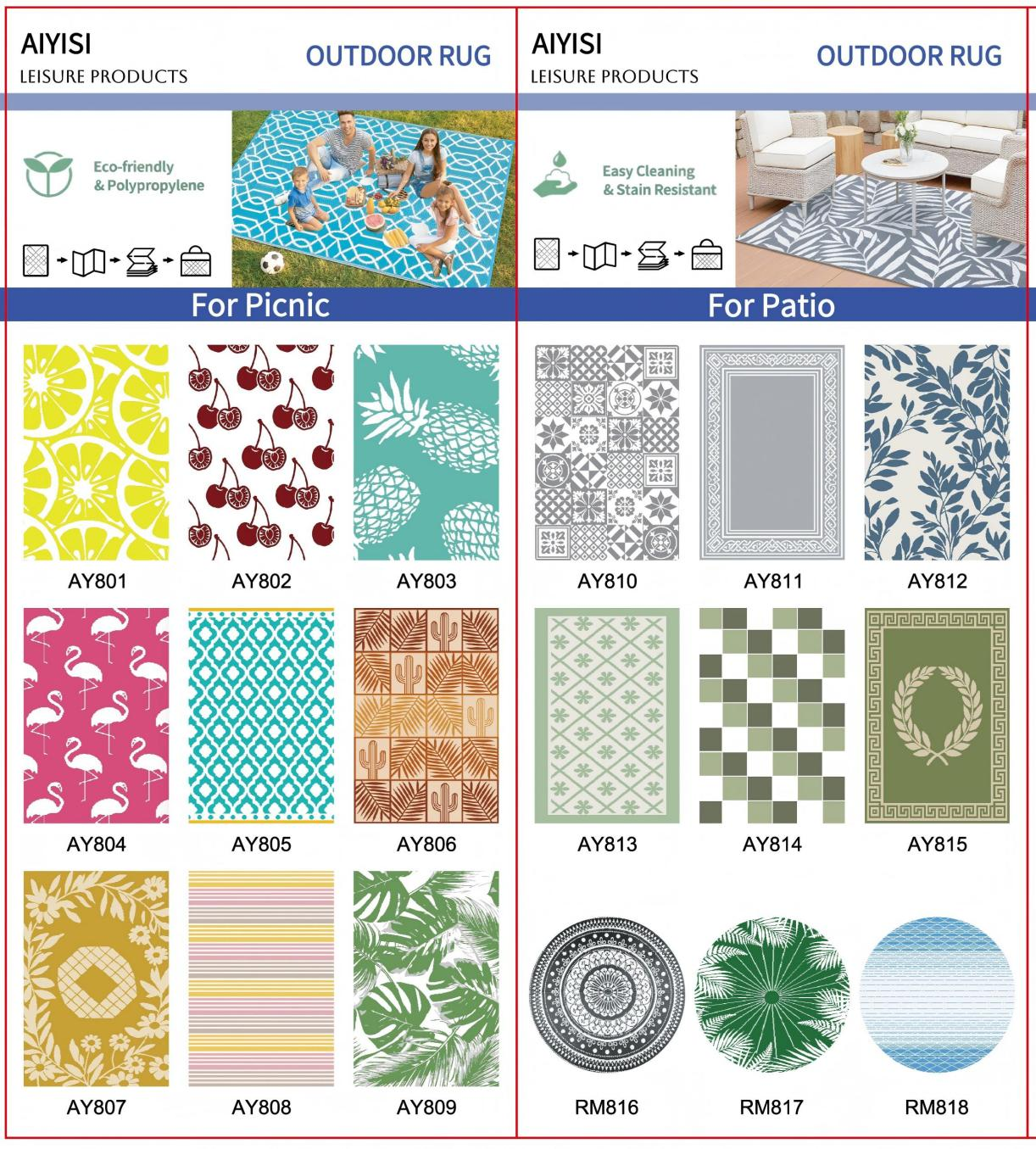
The surface can appear smooth or slightly textured. Some designs include patterns or color blocks. These visual details often serve both aesthetic and practical roles, helping hide marks or wear from repeated use.
The mat is designed to be placed directly on grass, sand, or soil. It acts as a barrier, separating the user from moisture and dirt below.
Why are PP picnic mats becoming more common?
Changes in lifestyle have played a part. More people are looking for items that are easy to carry and simple to maintain. A picnic mat is expected to be ready for use without much preparation.
PP mats meet these expectations in a direct way. They are often lightweight, which makes them easy to transport. Many can be folded into compact shapes, fitting into bags or being carried by hand.
Another reason is practicality. After use, the surface can be cleaned with little effort. This suits outdoor settings where conditions are not always predictable.
There is also a visual aspect. Bright or soft color combinations give these mats a fresh appearance. They fit well into casual outdoor settings where comfort and appearance go together.
How does a PP picnic mat differ from fabric mats?
Fabric mats are soft and familiar. They often feel comfortable at touch. However, they behave differently once placed outdoors.
A PP mat keeps its form more consistently. It does not absorb moisture in the same way fabric does. When placed on damp ground, it is less likely to transfer that moisture to the surface above.
Cleaning is another point of difference. Fabric mats may require washing and drying. A PP mat can usually be wiped clean or shaken to remove debris.
There is also a difference in how each mat interacts with dirt. Fabric can trap small particles within its fibers. A PP surface tends to allow particles to remain on top, making them easier to remove.
| Feature Aspect | PP Picnic Mat | Fabric Picnic Mat |
|---|---|---|
| Surface feel | Firm and structured | Soft and flexible |
| Moisture response | Resists absorption | Absorbs more easily |
| Cleaning method | Wipe or shake | Wash and dry |
| Shape stability | Holds form | May wrinkle or shift |
What makes PP mats suitable for outdoor use?
Outdoor environments can be unpredictable. Ground conditions change from one place to another. A mat needs to adapt without requiring constant adjustment.
PP mats offer a stable base. Their structure helps them stay in place, even when the surface below is uneven. This reduces the need to reposition the mat during use.
They also provide a layer of separation from the ground. This can make sitting more comfortable, especially on rough or slightly damp surfaces.
Portability adds to their outdoor appeal. A mat that is easy to carry encourages more frequent use. People are more likely to bring it along if it does not feel like a burden.
The balance between firmness and flexibility allows the mat to be folded without losing its general shape. This makes storage simple after use.
How does design influence the appeal of PP picnic mats?
Design plays a quiet but important role. A picnic mat is often part of a social setting. Its appearance contributes to the overall atmosphere.
Color choices range from bright patterns to softer tones. Some designs use geometric shapes, while others rely on simple stripes or blocks. These patterns can help hide minor stains or wear.
The layout of the mat also matters. Borders, edges, and stitching patterns affect how the mat looks when laid out. Even small details can change how it is perceived.
There is also a growing interest in coordinated outdoor items. A mat may match other accessories such as bags or containers. This creates a more unified visual experience.
What practical features do users care about most?
Several features come up often in discussions about picnic mats. They relate to everyday use rather than technical details.
1.Portability
A mat that folds easily is more likely to be used regularly. Compact shapes make transport simple.
2.Ease of cleaning
Outdoor use often involves dirt or sand. A surface that can be cleaned quickly saves time.
3.Surface stability
A mat that stays flat improves comfort. It reduces the need for constant adjustment.
4.Versatility
Users prefer items that can be used in different settings. A mat that works on grass, sand, or indoors offers more value.
5.Visual simplicity
Designs that are easy on the eyes tend to fit into more situations.
These features shape how people choose and use picnic mats in daily life.
Are PP picnic mats used only for picnics?
Despite the name, their use goes beyond picnics. Many people use them in a variety of settings.
In parks, they serve as a place to sit or rest. On beaches, they provide a cleaner surface above sand. During travel, they can be used as a temporary ground cover.
They also appear in indoor settings. Some families use them as play areas for children. The easy-clean surface makes them suitable for activities that may create a mess.
Events and gatherings sometimes include them as well. They can define small seating areas without requiring furniture.
This flexibility adds to their appeal. A single item can serve multiple purposes without much adjustment.
How do PP picnic mats compare with other outdoor mats?
Other materials are also used for picnic mats. Each type offers a different balance of features.
Foam mats provide cushioning. They may feel softer, but they can be bulkier. Their surface can also be more sensitive to wear.
PE mats share some similarities with PP mats. They are also lightweight and resistant to moisture. The difference often lies in surface texture and structural feel.
Fabric mats remain popular for their softness. However, they may require more care after use.
PP mats sit between these options. They offer structure without being heavy. They provide ease of cleaning without losing flexibility.
| Material Type | Key Strength | Common Limitation |
|---|---|---|
| PP | Stable and easy to clean | Less cushioning |
| Fabric | Soft surface | Harder to clean |
| Foam | Comfortable padding | Bulkier to carry |
| PE | Lightweight | Less structured feel |
What challenges do users encounter with PP picnic mats?
No material is without trade-offs. PP mats also have points that users consider.
The firm surface may feel less cushioned on hard ground. Some users prefer additional padding in certain settings.
Lightweight structure can make the mat move in windy conditions. This may require simple adjustments, such as placing items on the edges.
Surface marks can appear over time, especially with frequent use. While they do not affect function, they may change the appearance.
Folding patterns can also leave visible lines. These usually fade with use but may be noticeable at first.
These aspects do not limit the use of the mat, but they shape how it is handled and stored.
Why do PP picnic mats continue to attract attention?
Their growing presence reflects a broader shift toward practical and flexible products. People look for items that fit into daily routines without adding complexity.
A PP mat offers a balance between function and ease of use. It does not require special care. It adapts to different environments with little effort.
Its appearance also aligns with casual outdoor settings. It feels appropriate without drawing too much attention.
As outdoor habits continue to evolve, materials that support simple, repeatable use tend to remain relevant. PP mats fit into that pattern, finding their place in both everyday moments and occasional outings.
OUR PRODUCTS
Recommended Products
-
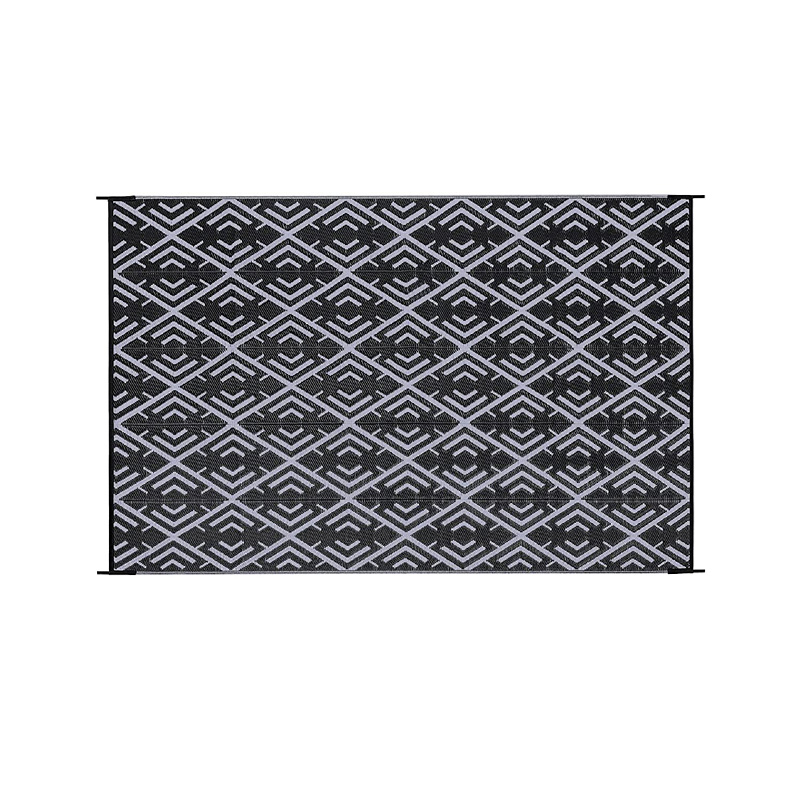
Lightweight Polypropylene Plastic Outdoor RV Mat
For RV owners, the ground space outside the vehicle quickly becomes part of daily living. A good out...
-
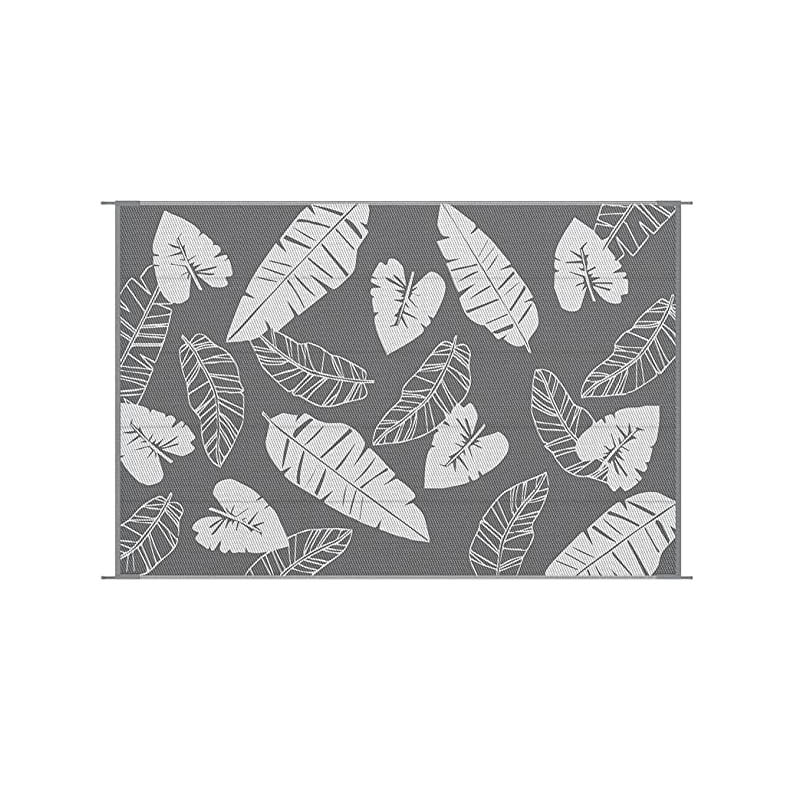
Large Foldable Anti-UV PP Weaving Straw RV Rug
When RV users set up an outdoor living area, the mat is often one of the first items placed beside t...
-
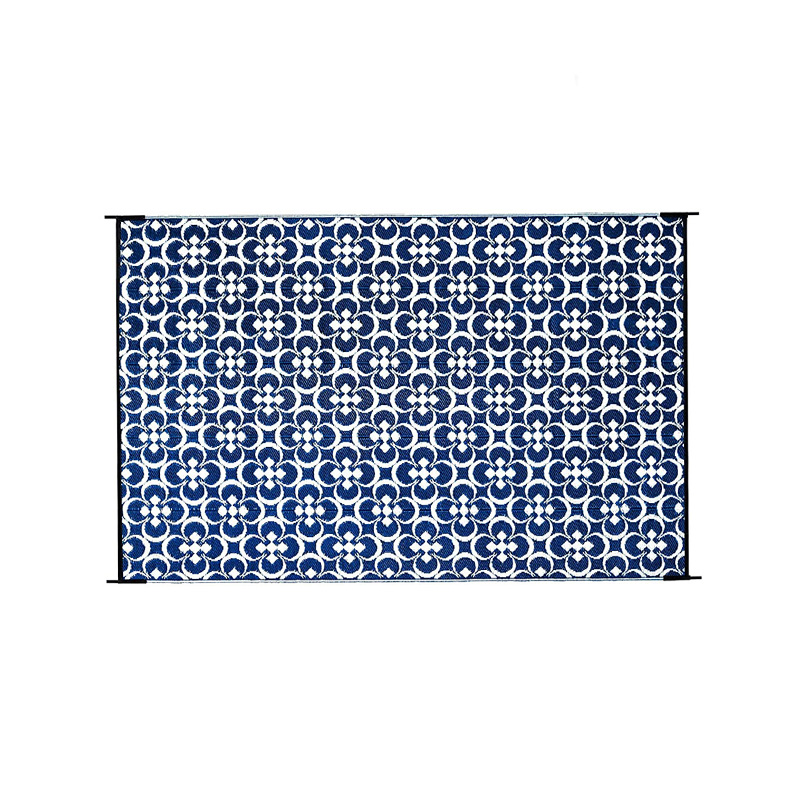
Recycled Moistureproof Plaid Outdoor Mat For RV
Features Heavy-Duty & High Quality & Durability: Our heavy-duty reversible RV mats are made ...
-
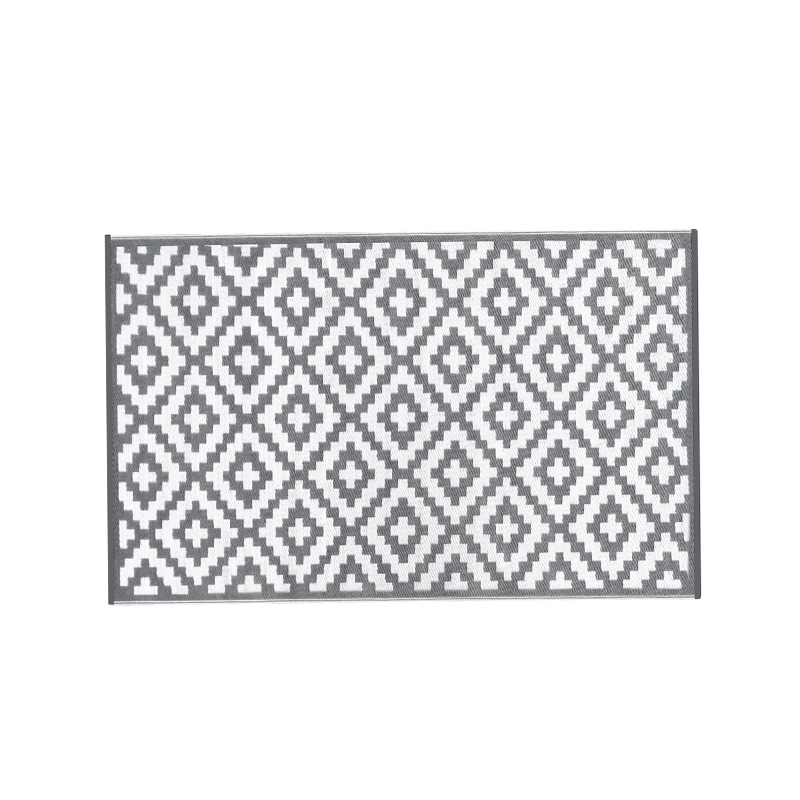
UV Resistant Patio Outdoor Rug
Elevate your outdoor spaces with the UV Resistant Patio Outdoor Rug from Aiyisi, thoughtfully design...
-
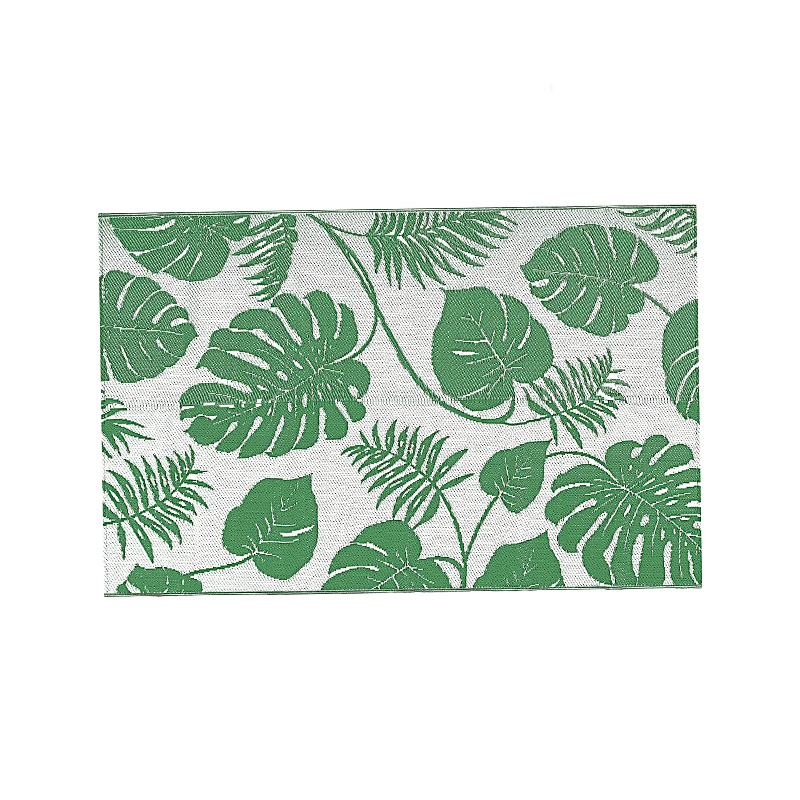
Durable Outdoor Polypropylene Mat For Patio
Features Reversible Outdoor Rug: The outdoor plastic straw rug with timeless medallion design is ele...
-
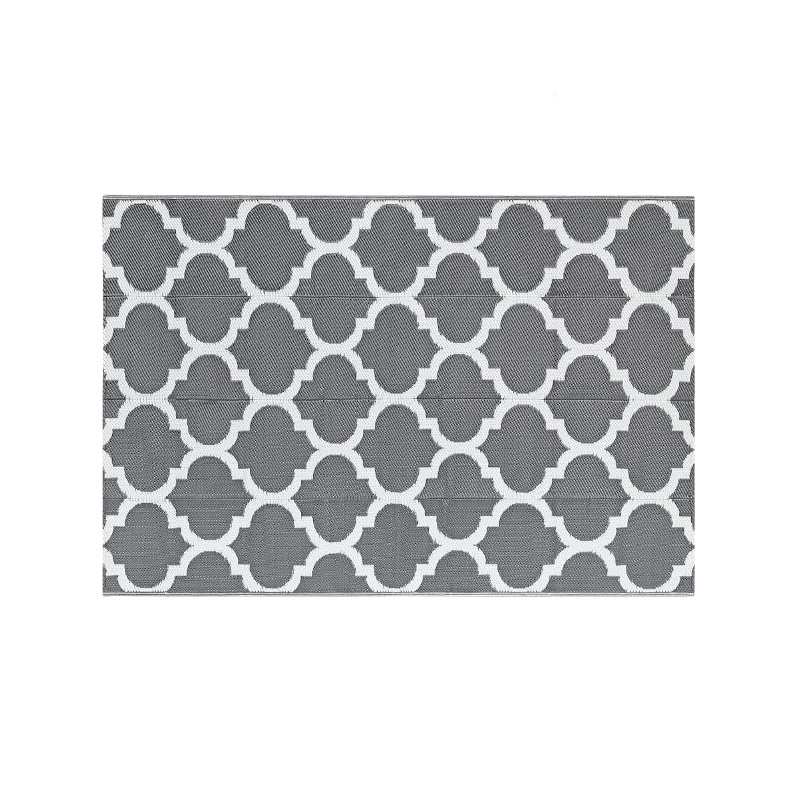
Recycled Plastic Straw Matting For Outside
Built for spaces that see real outdoor living, this recycled plastic straw mat adds a finished look ...
-
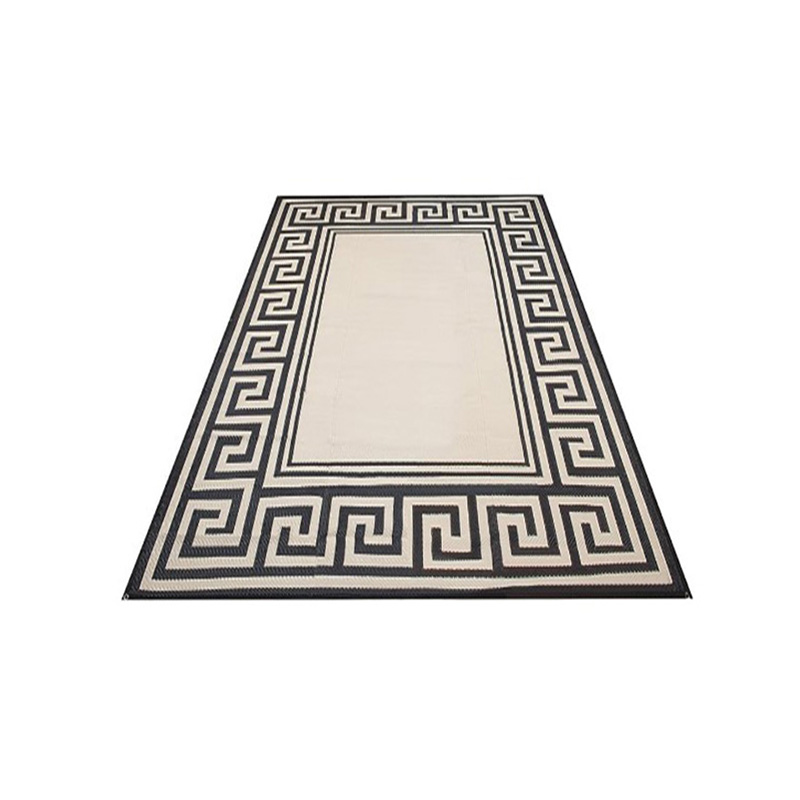
BSCI Audit PP Straw Camping Outdoor Rug
Description Introducing the BSCI Audit PP Straw Camping Outdoor Rug by AIYISI, an outdoor gear manuf...
-
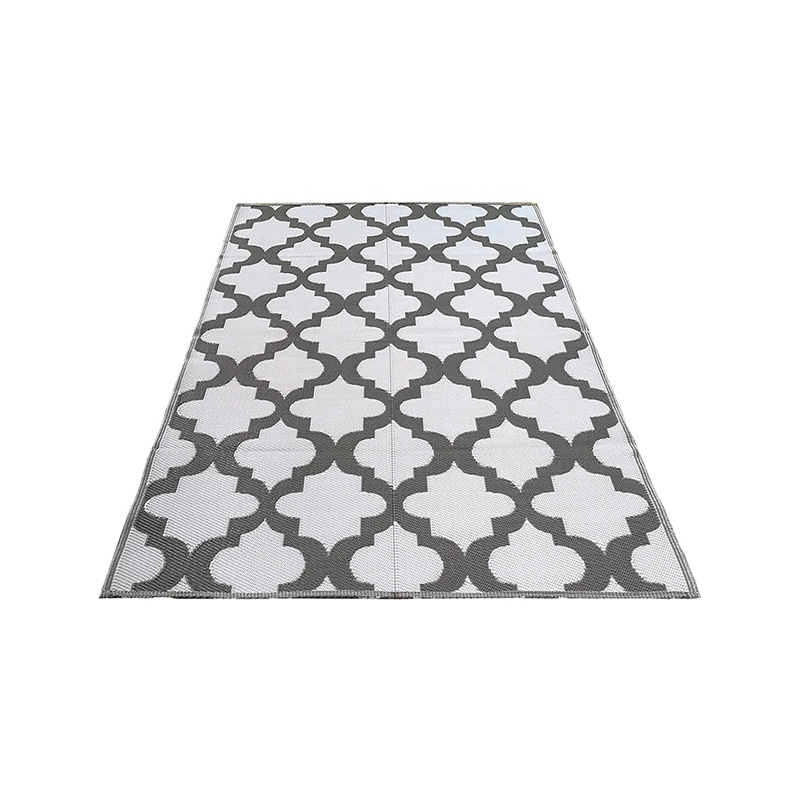
Plastic Matting Cheap PP Woven Recycled Campping Mats
This plastic matting offers a practical choice for outdoor activities with its construction from rec...

- FAX : 86-0576-83352177
- E-mail : [email protected]
- Phone : +86-0576-83207588
- Add: No.10 Yongan Road, Binhai industrial park, Sanmen County, Taizhou City, Zhejiang, China.
 Facebook
 Youtube
 Twitter
 Instagram