

 English
 Deutsch

Don't hesitate to send a message
Search
Recent Post
Newsletter
Why Small Portable Plastic Beach Mats Matter for Wheelchair?
A portable wheelchair beach mat is a specially engineered surface system made from plastic materials such as HDPE (High-Density Polyethylene) or polypropylene. It is designed to create a firm, stable pathway over soft or uneven terrain like sand.
Unlike traditional fabric or foam mats, plastic beach mats provide important structural support and durability. They are typically designed in roll-out or modular formats, allowing for quick deployment and easy transportation.
These mats are widely used in public beaches, resorts, parks, and outdoor event spaces to improve accessibility for wheelchair users, strollers, and mobility aids.
Key Material Advantages of Plastic Beach Mats
Durability and Load Capacity
Plastic beach mats are specifically designed to withstand heavy loads without deformation. Materials such as HDPE offer great strength-to-weight ratios, making them ideal for supporting wheelchairs and pedestrian traffic.
| Material Type | Load Capacity | Durability | Lifespan | Best Use Case |
|---|---|---|---|---|
| HDPE Plastic | 150–300 kg/m² | Excellent | 5–10 years | Wheelchair access |
| PP Plastic | 120–250 kg/m² | Very Good | 3–7 years | Portable mats |
| Foam (EVA/XPE) | Low | Moderate | 1–3 years | Seating only |
| Fabric/Nylon | Low | Low | <2 years | Light outdoor use |
This comparison highlights why plastic materials are essential for wheelchair applications, where structural integrity and long-term durability are critical.
Waterproof and Sand-Resistant Performance
Plastic beach mats are inherently waterproof, meaning they do not absorb water or retain moisture. This makes them ideal for coastal environments where exposure to saltwater, humidity, and sand is constant.
Additionally, their smooth or textured surfaces prevent sand buildup and allow for easy cleaning. A simple rinse is often sufficient to maintain the mat, reducing maintenance costs for operators.
Design Considerations for Wheelchair Compatibility
Surface Stability
To ensure safe wheelchair movement, the mat must provide a stable and non-slip surface. This is achieved through textured finishes, perforated designs, and reinforced structures that distribute weight evenly across the surface.
Anti-slip patterns are particularly important in wet conditions, where traction can significantly impact user safety.
Portability and Deployment
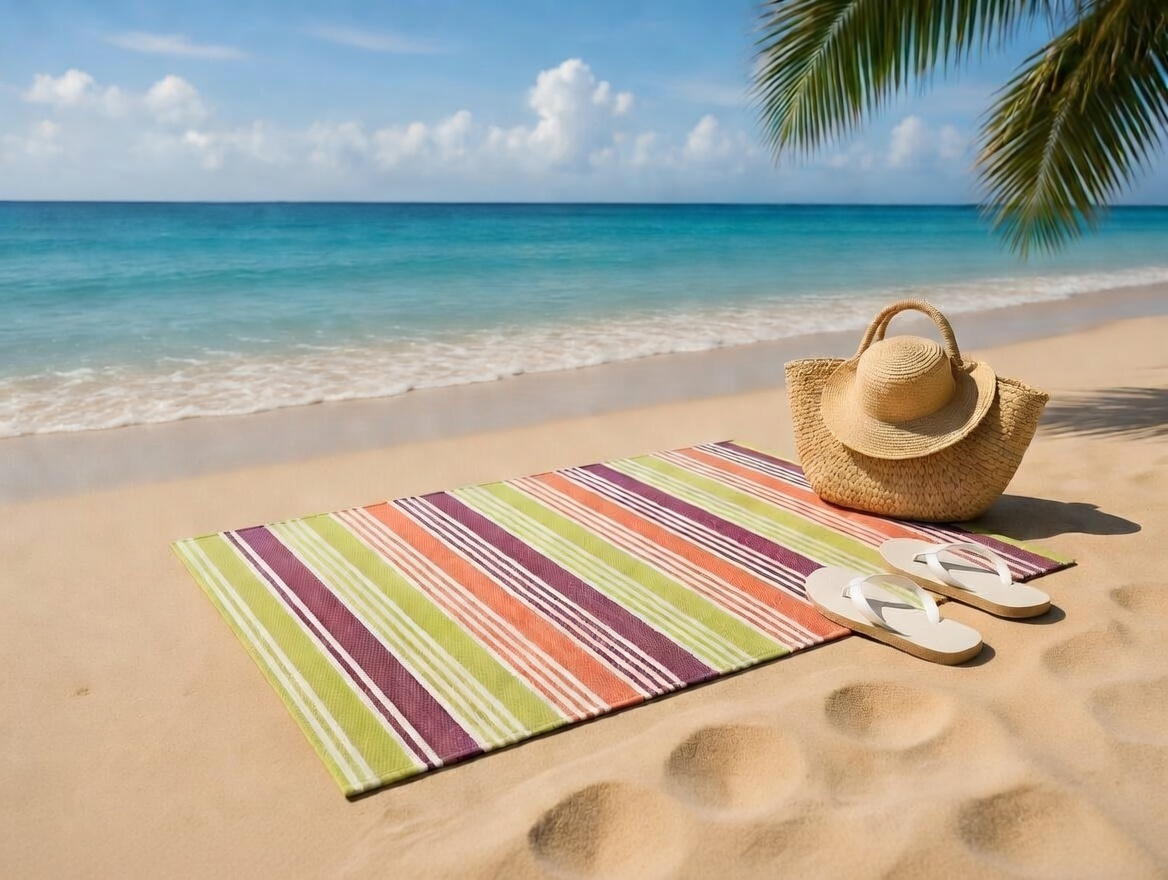
Small portable plastic beach mat is designed for quick deployment. Roll-out systems can be installed within minutes without the need for specialized tools or labor.
Lightweight construction also allows for easy transportation and storage, making these mats suitable for temporary installations and seasonal use.
Width and Accessibility Standards
Accessibility guidelines recommend a minimum pathway width of 800–1000 mm to accommodate wheelchairs comfortably. Continuous surfaces without gaps or interruptions are essential to ensure smooth mobility.
For reference, industry standards such as those outlined by ADA guidelines provide detailed requirements for accessible pathways.
Technical Specification for Aiyisi Plastic Beach Mats
| Parameter | Specification |
|---|---|
| Material | HDPE / PP with UV stabilization |
| Thickness | 6–12 mm |
| Width | 800–1200 mm |
| Length | 5–20 meters (modular) |
| Load Capacity | ≥ 200 kg/m² |
| Surface | Anti-slip textured |
| Temperature Range | -20°C to 60°C |
| Compliance | ADA / ISO outdoor standards |
These specifications can be customized based on project requirements, allowing aiyisi to provide tailored OEM or ODM solutions for different markets.
Manufacturing Process Overview
Extrusion and Injection Molding
Plastic beach mats are commonly produced using extrusion or injection molding techniques. Extrusion is ideal for continuous roll-out designs, while injection molding is used for modular panel systems.
These processes ensure consistent quality, precise dimensions, and scalability for large-volume production.
Quality Control and Testing
To meet B2B standards, manufacturers must implement rigorous quality control measures. These include load testing, UV resistance testing, and anti-slip performance evaluation.
Salt spray testing is also important for coastal applications, ensuring that the material can withstand long-term exposure to corrosive environments.
Applications and Buyer Scenarios
Public Infrastructure Projects
Governments and municipalities use plastic beach mats to improve accessibility at public beaches and parks. These installations help meet regulatory requirements while enhancing visitor experience.
Commercial Applications
Hotels, resorts, and event organizers benefit from portable mats by offering inclusive services to guests. These mats can be deployed temporarily or permanently, depending on operational needs.
Private and Recreational Use
Although primarily designed for institutional use, smaller versions of these mats can also serve private users who require mobility assistance in outdoor settings.
Cost Factors and Procurement Insights
Several factors influence the cost of plastic beach mats, including material quality, thickness, design complexity, and customization requirements.
Typical pricing ranges from $50 for small portable units to over $800 for heavy-duty modular systems. Buyers should evaluate total cost of ownership, including durability, maintenance, and lifespan.
Working with experienced manufacturers like aiyisi ensures consistent quality, reliable lead times, and competitive pricing for bulk orders.
How Aiyisi Can Differentiate in the Market
To remain competitive, aiyisi should focus on innovation, customization, and quality assurance. Offering lightweight yet durable materials, quick installation systems, and OEM branding options can significantly enhance market appeal.
Additionally, incorporating recycled materials and sustainable production practices can align with global environmental trends and attract eco-conscious buyers.
Choosing the Right Portable Beach Mat
A small portable plastic beach mat for wheelchair use is more than a product—it is a solution that enhances accessibility and inclusivity. For B2B buyers, selecting the right mat involves balancing durability, portability, compliance, and cost.
By investing in high-quality plastic mats, buyers can ensure long-term performance and improved user experience in outdoor environments.
Contact aiyisi today to request a quote, technical datasheet, or customized solution tailored to your project needs.
FAQs
What material is better for wheelchair beach mats?
HDPE is the preferred material due to its strength, durability, and resistance to environmental factors.
Can portable mats support heavy wheelchairs?
Yes, if designed with reinforced plastic structures and sufficient thickness, they can support heavy loads.
Are these mats compliant with accessibility standards?
High-quality mats can meet ADA requirements when designed and installed correctly.
How long do plastic beach mats last?
Typically between 5 and 10 years depending on usage and environmental conditions.
What is the typical lead time for bulk orders?
Lead times usually range from 15 to 30 days depending on customization and order volume.
OUR PRODUCTS
Recommended Products
-
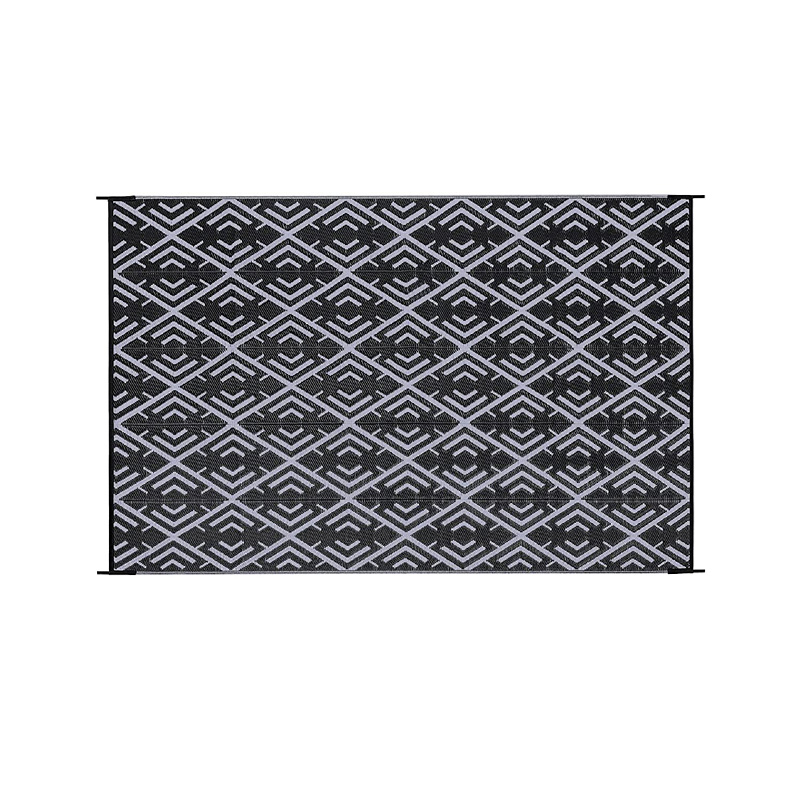
Lightweight Polypropylene Plastic Outdoor RV Mat
For RV owners, the ground space outside the vehicle quickly becomes part of daily living. A good out...
-
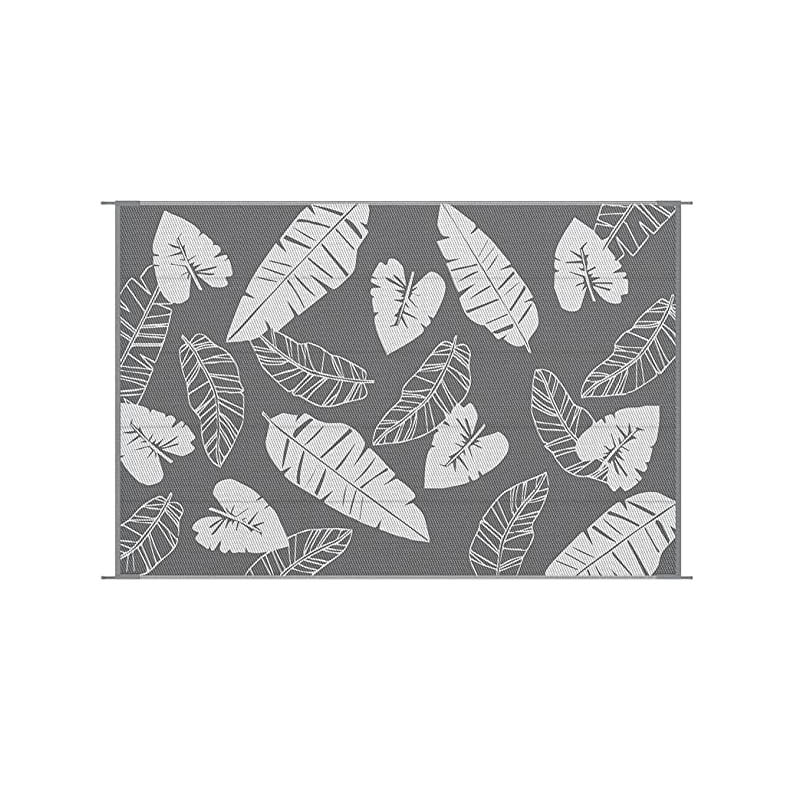
Large Foldable Anti-UV PP Weaving Straw RV Rug
When RV users set up an outdoor living area, the mat is often one of the first items placed beside t...
-
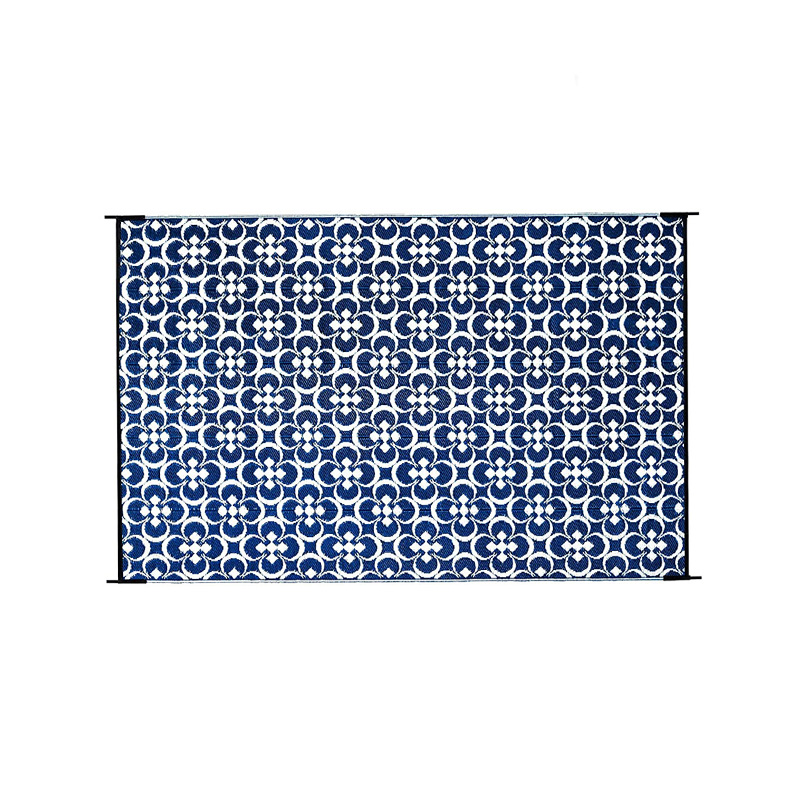
Recycled Moistureproof Plaid Outdoor Mat For RV
Features Heavy-Duty & High Quality & Durability: Our heavy-duty reversible RV mats are made ...
-
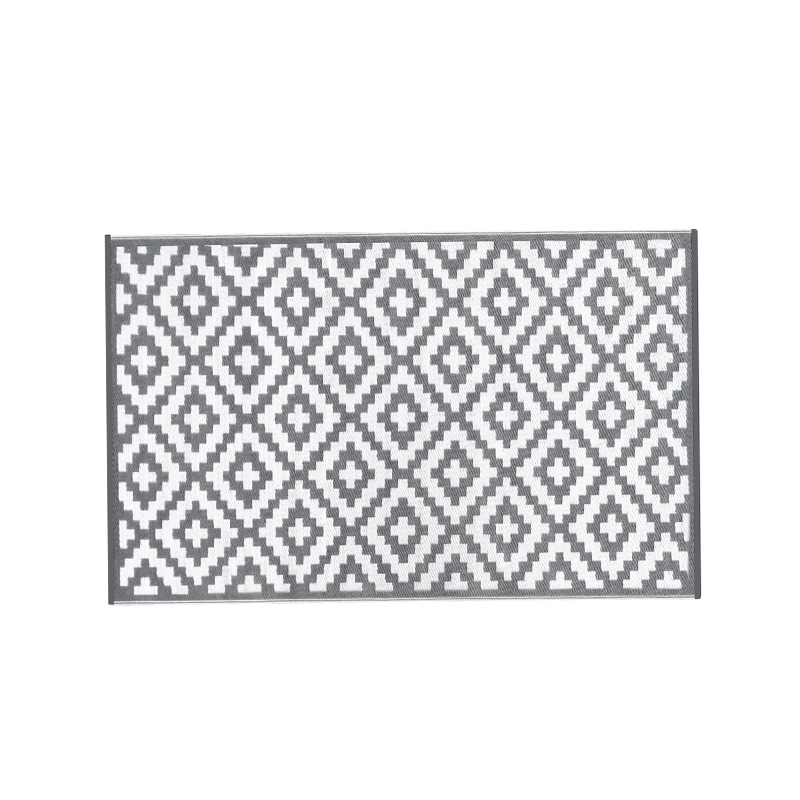
UV Resistant Patio Outdoor Rug
Elevate your outdoor spaces with the UV Resistant Patio Outdoor Rug from Aiyisi, thoughtfully design...
-
Durable Outdoor Polypropylene Mat For Patio
Features Reversible Outdoor Rug: The outdoor plastic straw rug with timeless medallion design is ele...
-
Recycled Plastic Straw Matting For Outside
Built for spaces that see real outdoor living, this recycled plastic straw mat adds a finished look ...
-
BSCI Audit PP Straw Camping Outdoor Rug
Description Introducing the BSCI Audit PP Straw Camping Outdoor Rug by AIYISI, an outdoor gear manuf...
-
Plastic Matting Cheap PP Woven Recycled Campping Mats
This plastic matting offers a practical choice for outdoor activities with its construction from rec...

- FAX : 86-0576-83352177
- E-mail : [email protected]
- Phone : +86-0576-83207588
- Add: No.10 Yongan Road, Binhai industrial park, Sanmen County, Taizhou City, Zhejiang, China.
 Facebook
 Youtube
 Twitter
 Instagram