

 English
 Deutsch


Don't hesitate to send a message
Search
Recent Post
Newsletter
How to Choose a Reliable Reversible Patio Carpet in China
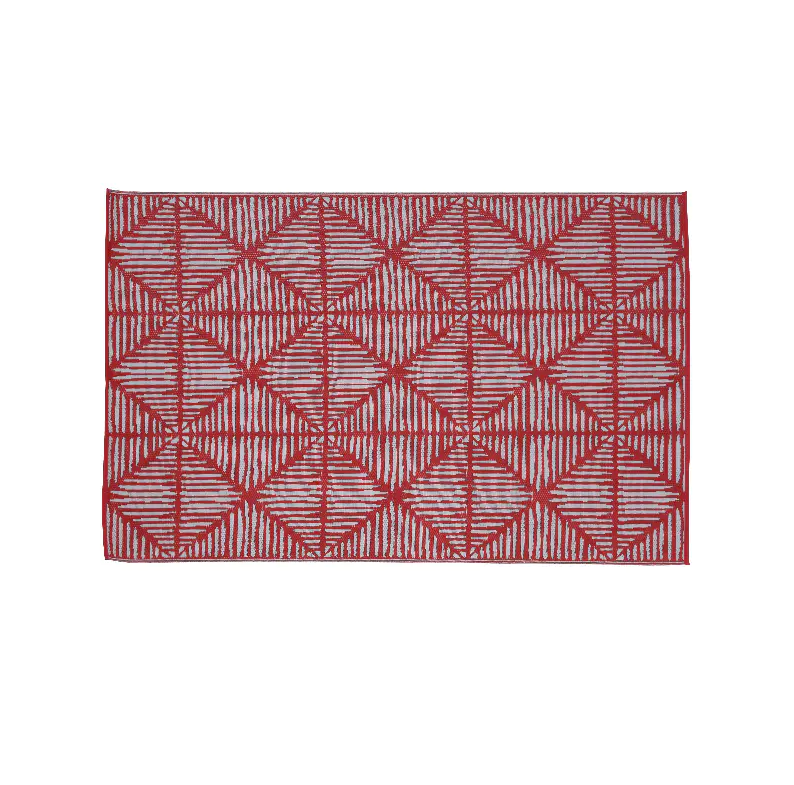
Reversible Patio Carpet in China have quietly become a regular product in outdoor living spaces. They show up in balconies, garden corners, camping setups, and even small backyard areas where people just want something easy to place on the ground.
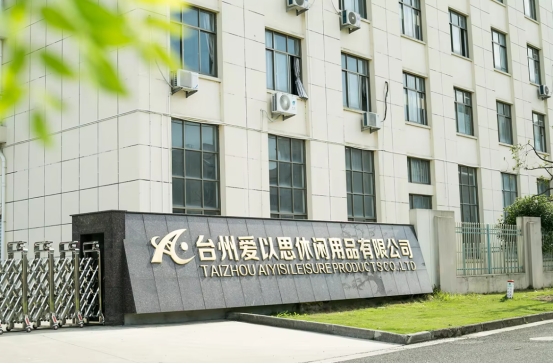
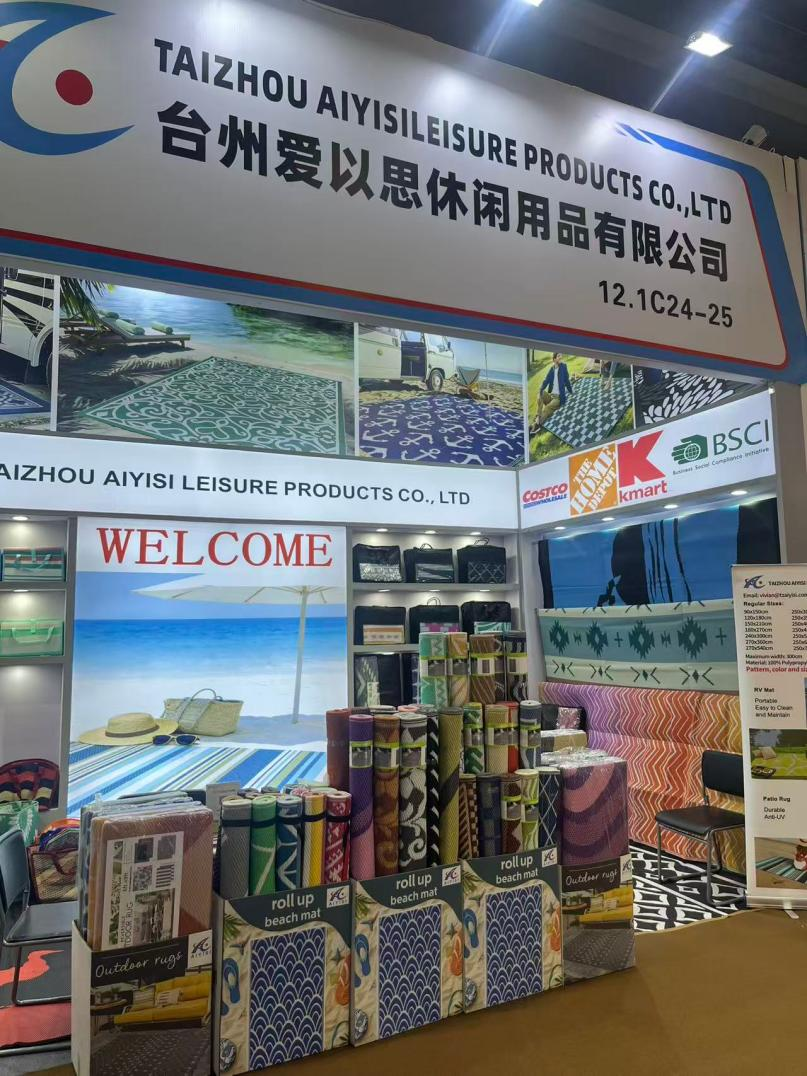
On the sourcing side, China is one of the main supply origins. The number of suppliers is large, and at first glance many of them look similar. But once you start working with them, differences begin to show quite quickly.
Some differences are obvious, like communication speed. Others are more hidden, such as how stable the product remains across different batches.
What does "reliable supplier" actually mean in real sourcing work?
Reliability is not something that can be judged from a single sample or a short conversation.
In practice, it is usually felt over time.
A supplier may look fine at the beginning, but real reliability shows up later when orders become larger or repeated.
Buyers usually notice things like:
- Whether the second or third order still looks the same as the first
- Whether small details change without explanation
- Whether delivery timing stays stable or shifts often
- Whether communication remains consistent when issues appear
These small points tend to matter more than initial impressions.
Why factory background matters more than product photos?
Many reversible patio carpets are produced in factories that handle multiple outdoor products at the same time.
That means the production line is often shared, and scheduling becomes important.
A more organized factory usually has a clearer internal flow. Materials are stored in a structured way, production steps follow a fixed routine, and workers are familiar with repeated product styles.
In less structured setups, things can still be functional, but variations between batches may appear more often.
When sourcing from China, this difference is not always visible online. It usually becomes clearer only after a few orders.
How material choice quietly affects everything later?
At first glance, patio carpets look simple. But the material behind them determines how they behave in real outdoor use.
Some materials feel more stable when laid flat. Some are easier to fold and store. Others may feel slightly different after exposure to sun or moisture.
From a sourcing perspective, material choice influences:
- How the carpet holds shape after use
- How it behaves after repeated folding
- Whether surface texture changes over time
- How easy it is to clean after outdoor use
What matters here is not just "good or bad material," but whether the material is suitable for repeated outdoor handling.
Why sample quality and bulk order quality can feel different?
This is something many buyers only notice after the first real order.
A sample often looks very controlled. It is usually made with more attention, sometimes even slightly slower than normal production.
But bulk production follows a different rhythm. Machines run continuously, and efficiency becomes more important.
So buyers sometimes compare:
- Sample feels slightly more refined
- Bulk order feels more "standardized"
- Small texture or finish differences appear
- Color or tightness may shift slightly
A reliable supplier is usually the one who keeps this gap small enough that it doesn't become a problem in real use.
Communication is not just speed, but clarity
When sourcing from China, communication is often where cooperation either becomes smooth or complicated.
It is not only about replying fast. More important is whether the meaning stays consistent during back-and-forth discussions.
In real cases, misunderstandings often come from small things:
- Different interpretation of product details
- Unclear packaging expectations
- Missing confirmation on small adjustments
- Assumptions not written down clearly
Suppliers who communicate in a stable and structured way usually reduce these issues naturally.
Packaging is more important than it looks
Outdoor carpets are usually packed in folded or rolled form. That sounds simple, but packaging actually affects how the product arrives.
During long transport, products may be stacked, compressed, or stored in different conditions.
Good packaging helps reduce problems like:
- Deformation after long shipping
- Difficulty opening or reshaping
- Moisture exposure during transit
- Confusion during warehouse handling
Sometimes buyers only notice packaging quality when problems appear. That is usually a bit late in the process.
Production scale is not always about "bigger is better"
Factories in China vary a lot in size and structure.
Some are set up for continuous large-volume production. Others are more flexible and handle smaller, mixed orders.
Neither approach is automatically better. It depends on the buyer's situation.
Large-scale production usually brings:
- More stable long-run output
- Easier handling of repeat orders
- Less variation during long production runs
Smaller or flexible setups may offer:
- More willingness for adjustment
- Easier communication on custom requests
- More attention to smaller batches
In practice, many buyers look for something in between rather than extremes.
Why reversible design needs more production attention?
A reversible patio carpet is used on both sides. That sounds simple, but it adds extra expectations during production.
Both surfaces need to remain usable, not just one side.
That means:
- Both sides must stay visually consistent
- Folding cannot damage surface balance
- Material layers need even distribution
- Finishing needs to stay uniform across both faces
Small inconsistencies become more noticeable because both sides are exposed during real use.
What long-term cooperation usually looks like?
In the beginning, sourcing is often focused on samples, price, and basic communication.
But over time, cooperation becomes more about predictability.
Long-term suppliers are usually the ones who can:
- Keep product consistency across different batches
- Maintain stable communication habits
- Adjust details without changing core quality
- Understand buyer preferences without repeated explanation
This kind of relationship usually develops slowly, not immediately.
A simple way many buyers think about supplier choice
In real sourcing practice, buyers rarely find a "perfect supplier."
Instead, they tend to look for something more practical:
a supplier that stays stable enough, communicates clearly enough, and doesn't create surprises during repeated orders.
That is usually what makes cooperation workable in the long run.
OUR PRODUCTS
Recommended Products
-
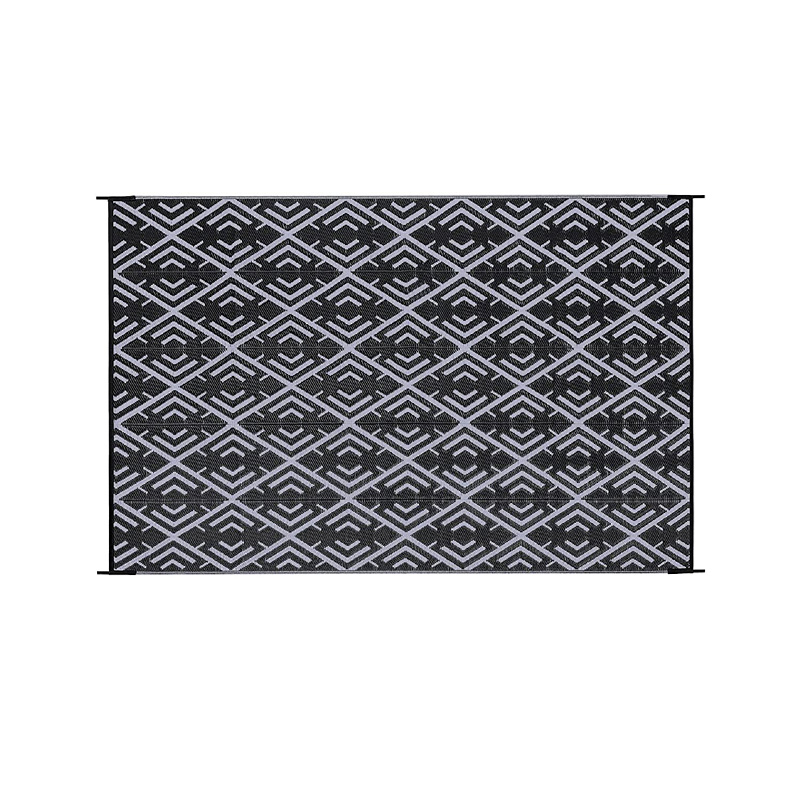
Lightweight Polypropylene Plastic Outdoor RV Mat
For RV owners, the ground space outside the vehicle quickly becomes part of daily living. A good out...
-
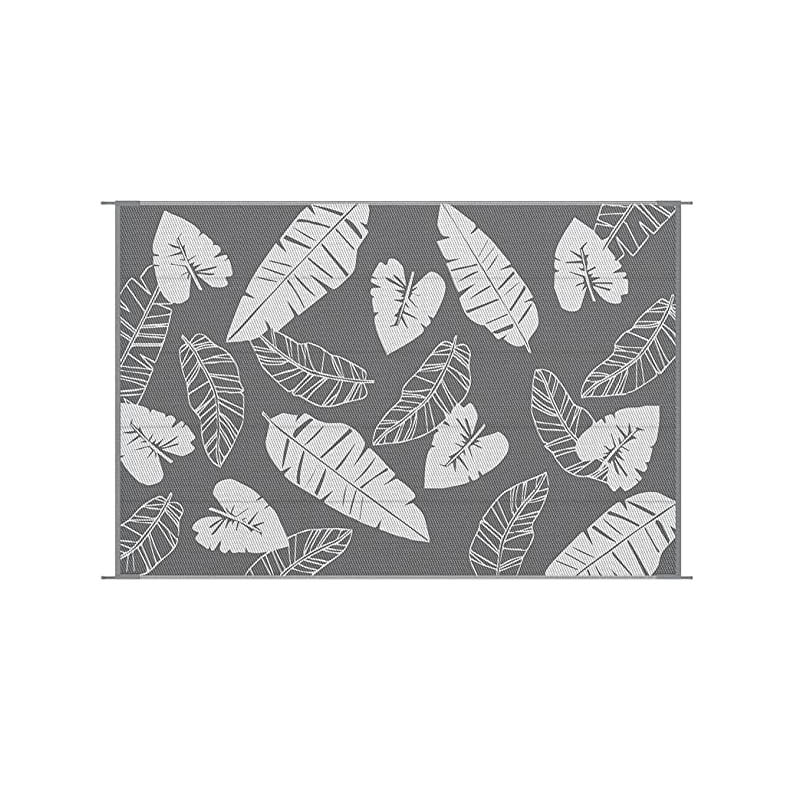
Large Foldable Anti-UV PP Weaving Straw RV Rug
When RV users set up an outdoor living area, the mat is often one of the first items placed beside t...
-
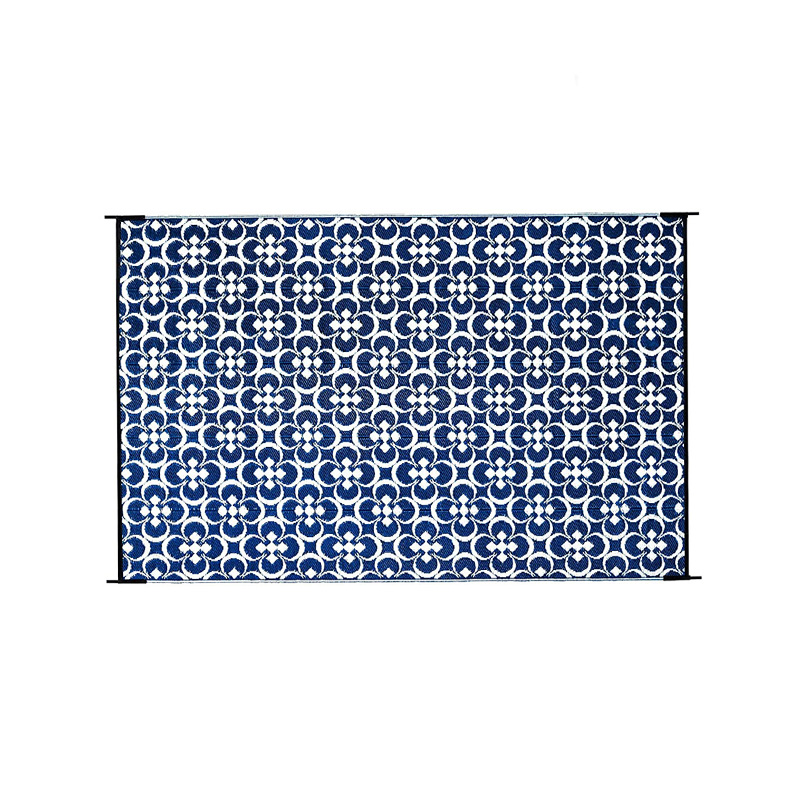
Recycled Moistureproof Plaid Outdoor Mat For RV
Features Heavy-Duty & High Quality & Durability: Our heavy-duty reversible RV mats are made ...
-
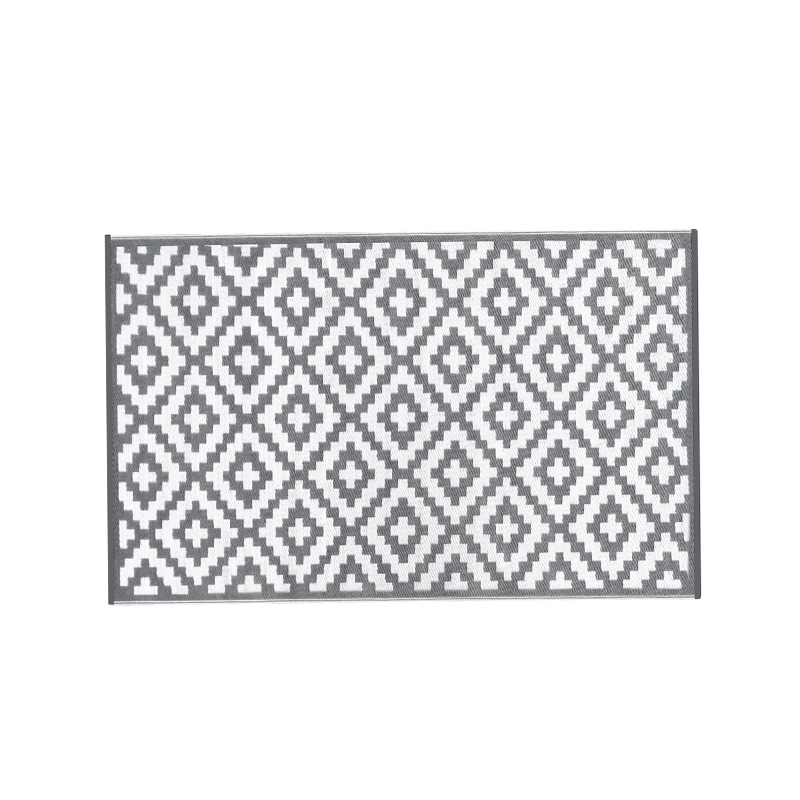
UV Resistant Patio Outdoor Rug
Elevate your outdoor spaces with the UV Resistant Patio Outdoor Rug from Aiyisi, thoughtfully design...
-
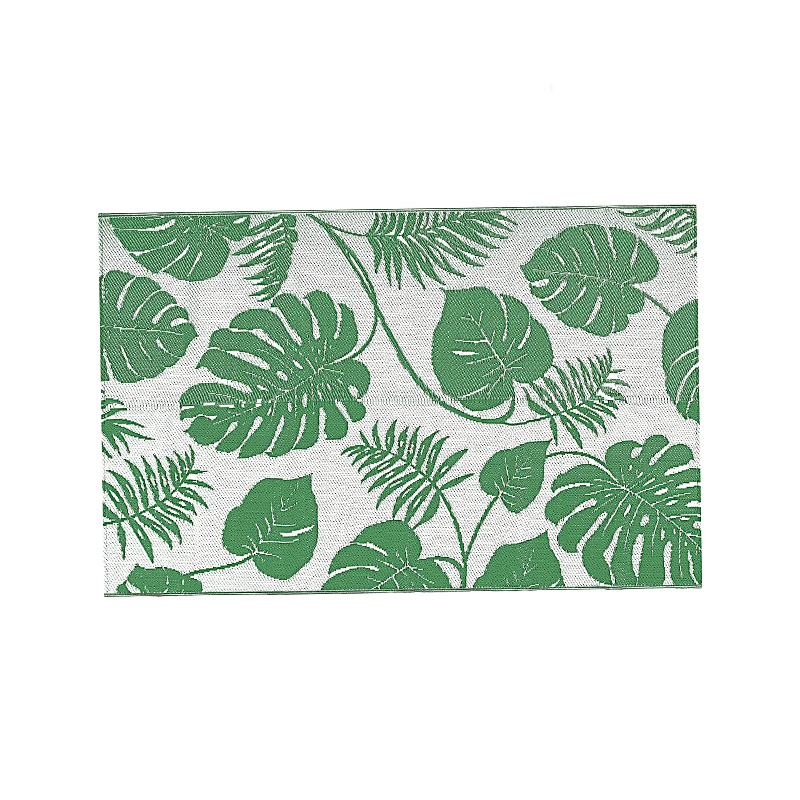
Durable Outdoor Polypropylene Mat For Patio
Features Reversible Outdoor Rug: The outdoor plastic straw rug with timeless medallion design is ele...
-
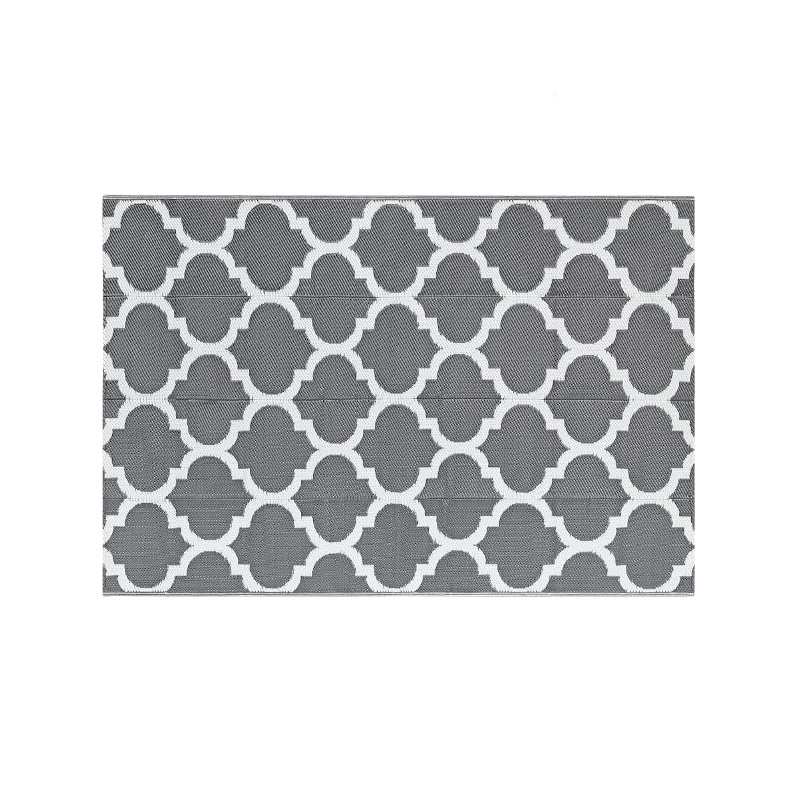
Recycled Plastic Straw Matting For Outside
Built for spaces that see real outdoor living, this recycled plastic straw mat adds a finished look ...
-
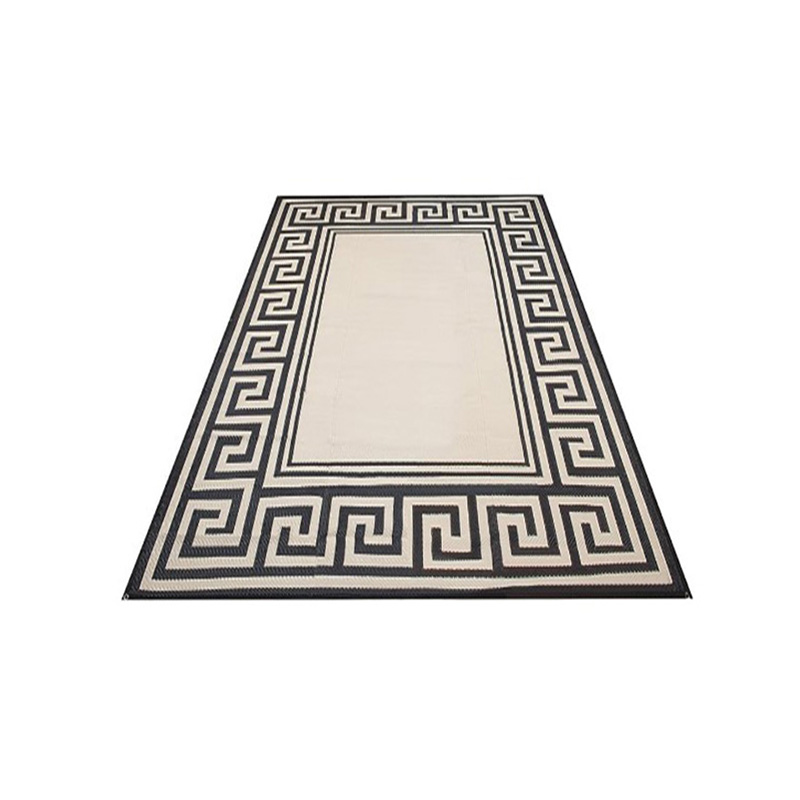
BSCI Audit PP Straw Camping Outdoor Rug
Description Introducing the BSCI Audit PP Straw Camping Outdoor Rug by AIYISI, an outdoor gear manuf...
-
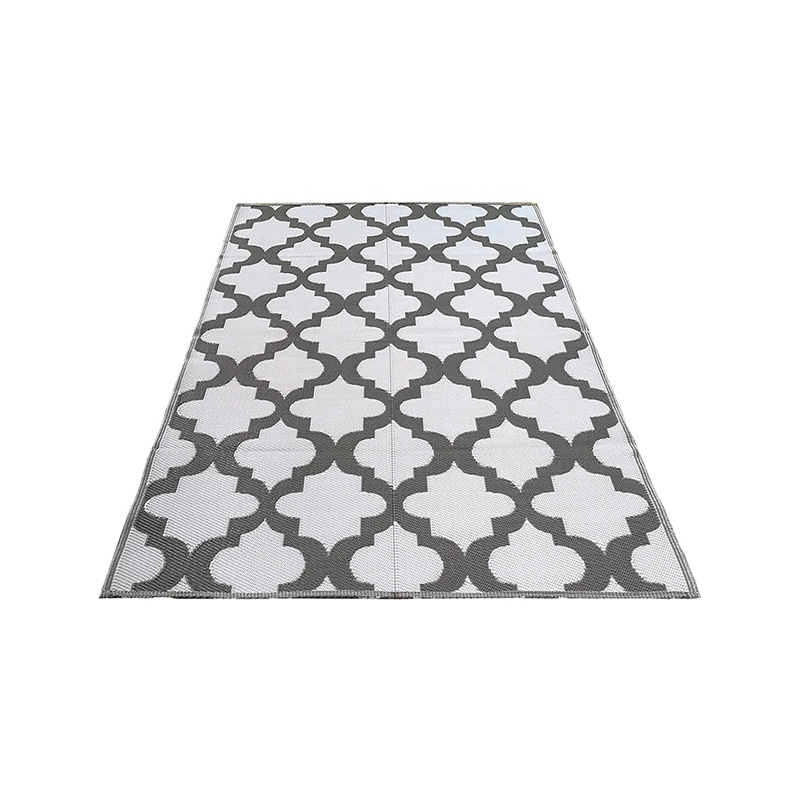
Plastic Matting Cheap PP Woven Recycled Campping Mats
This plastic matting offers a practical choice for outdoor activities with its construction from rec...

- FAX : 86-0576-83352177
- E-mail : [email protected]
- Phone : +86-0576-83207588
- Add: No.10 Yongan Road, Binhai industrial park, Sanmen County, Taizhou City, Zhejiang, China.
 Facebook
 Youtube
 Twitter
 Instagram