

 English
 Deutsch


Don't hesitate to send a message
Search
Recent Post
Newsletter
How to Choose the Right China Round Outdoor Mat for Your Space
China Round Outdoor Mat have moved beyond simple floor coverings. They now play a role in how outdoor areas feel and function. A small change on the ground can shift how a space is used, how people move, and even how long they stay.
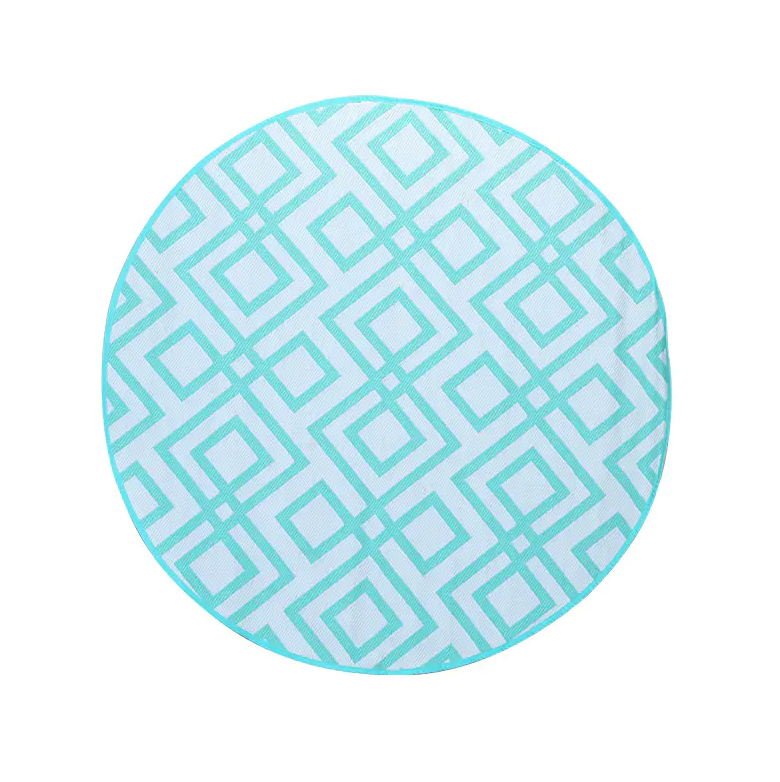
Choosing the right one is not only about appearance. It involves how the mat interacts with weather, movement, and daily habits. A round shape adds a softer visual line, but it also changes how space is defined.
Why does shape matter in outdoor spaces?
Most outdoor layouts rely on straight lines. Walls, fences, and flooring often follow rigid patterns. A round mat breaks that structure in a subtle way.
It creates a focal point without adding height or weight. In open areas, this can help define a sitting zone or gathering spot. On a balcony, it can soften the edges of a small space.
The circular form also affects movement. People tend to step around it rather than across sharp corners. This changes how traffic flows, especially in tighter areas.
So the choice is not only visual. Shape influences how the space is experienced.
Where will the mat be placed?
Location affects almost every decision that follows. A mat placed in a covered patio behaves differently from one exposed to open weather.
Some common placement areas include:
- Garden seating zones
- Balcony floors
- Poolside areas
- Entry points
- Camping setups
Each of these locations has its own conditions. Sun exposure, moisture, and foot traffic all vary.
A balcony mat may need to handle light rain and daily use. A garden mat may face soil, leaves, and uneven ground. A poolside mat deals with water more often than anything else.
Understanding the environment helps narrow down suitable options before considering design.
What kind of material works in outdoor conditions?
Material affects how the mat feels, how it handles weather, and how long it keeps its shape.
Some materials feel soft but may hold moisture longer. Others dry quickly but feel firmer underfoot. There is no single answer that fits every space.
Here is a simple comparison:
| Material Type | General Feel | Weather Response | Common Use |
|---|---|---|---|
| Woven fibers | Soft, flexible | May absorb moisture | Covered areas |
| Plastic-based | Firm, structured | Dries quickly | Open outdoor use |
| Blended types | Balanced texture | Moderate resistance | Mixed environments |
The choice often depends on how the space is used. A seating area may benefit from a softer feel. A high-traffic entrance may require something more resistant.
Material also affects cleaning. Some surfaces release dirt easily. Others need more attention.
How does size influence the overall layout?
Size can change how a space feels without altering any structure around it.
A small round mat may act as a visual accent. It highlights a chair or a small table. A larger one can define an entire sitting area.
The key is proportion. The mat should relate to the objects around it. If it is too small, it feels disconnected. If too large, it may crowd the space.
Some general placement ideas:
- Under a small table: the mat should extend beyond the table edge
- Under seating: it should include at least part of each chair
- In open space: it should feel centered, not floating
Spacing matters as much as size. A well-placed mat can make a space feel organized without adding more items.
What role does color play outdoors?
Outdoor color behaves differently from indoor color. Light changes throughout the day. Shadows shift. Surfaces reflect differently depending on weather.
A color that looks calm indoors may appear brighter outside. A darker tone may fade into the ground under strong light.
When choosing color, consider:
- Surrounding surfaces such as wood, stone, or tile
- Natural elements like plants and soil
- Light exposure during the day
Patterns can also influence perception. A subtle pattern may hide dust and small marks. A plain surface may show them more clearly.
Color is not only decorative. It affects how clean the mat appears over time and how it blends into the space.
How important is ease of cleaning?
Outdoor mats collect more than dust. Leaves, soil, and moisture all become part of daily use.
A mat that is difficult to clean can quickly lose its appeal. Over time, maintenance effort becomes part of the decision.
Some mats can be shaken out easily. Others may require rinsing. A few may need drying time before reuse.
Things to consider:
- Does dirt stay on the surface or sink into the material?
- Can the mat dry naturally without extra steps?
- Is it easy to move for cleaning?
Ease of cleaning often matters more in high-use areas. Near entrances or outdoor dining spots, this becomes part of daily routine.
How does weight and flexibility affect use?
Weight influences stability. A heavier mat tends to stay in place, even with movement or light wind. A lighter one is easier to move but may shift more often.
Flexibility affects storage and transport. Some mats can be folded or rolled. Others keep a fixed shape.
This becomes important in spaces like:
- Temporary outdoor setups
- Camping environments
- Seasonal balconies
A flexible mat is easier to store when not in use. A more rigid one may provide better structure in permanent setups.
The choice depends on how often the mat is moved or stored.
What about safety and surface grip?
Outdoor surfaces can change quickly. Rain, dust, or smooth flooring can affect traction.
A mat that shifts easily may create inconvenience. One that stays stable supports safer movement.
Grip depends on both the mat and the surface beneath it. Some materials naturally hold better. Others may require a textured base.
Consider:
- Is the ground smooth or rough?
- Will the area become wet often?
- Is the mat used in a high-traffic path?
These factors shape how stable the mat feels during daily use.
How do design trends influence selection?
Outdoor design has moved toward more relaxed and flexible styles. Spaces are often used for multiple purposes, from quiet rest to social gatherings.
Round mats fit into this approach by softening structure and adding visual balance.
Common design directions include:
- Natural tones that blend with surroundings
- Light patterns that do not dominate the space
- Simple textures that feel comfortable without drawing too much attention
Trends may guide initial choices, but long-term use often depends on practicality.
A mat that looks appealing but is difficult to maintain may not remain in use for long.
How can different needs be matched to the right choice?
Each space has its own rhythm. Some are used daily. Others are used occasionally. Some are exposed to weather. Others are partially protected.
A useful way to approach selection is to match needs with features:
| Space Type | Key Consideration | Suggested Direction |
|---|---|---|
| Balcony | Limited space, moderate exposure | Medium size, balanced material |
| Garden | Natural ground, variable weather | Durable, easy to clean |
| Poolside | Frequent moisture | Quick-drying surface |
| Entrance | High traffic | Stable, resistant material |
| Camping | Portability | Lightweight, foldable |
This approach keeps the focus on real use rather than abstract features.
How does daily use shape long-term satisfaction?
A mat may look suitable at the time of purchase, but its real value appears during daily use.
Does it stay in place when people walk across it?
Does it still look clean after repeated use?
Does it feel comfortable underfoot?
These small details shape long-term satisfaction more than initial appearance.
In many cases, the most suitable choice is not the most noticeable one. It is the one that fits quietly into daily routines.
What small details are often overlooked?
Some decisions seem minor but influence how the mat performs over time.
Edge finish, for example, affects how the mat lies on the ground. A poorly finished edge may curl or lift slightly.
Thickness can influence comfort, but also how easily the mat fits under furniture.
Storage habits also matter. A mat that cannot be stored easily may be left outside in conditions it was not intended for.
These details are often noticed only after use begins.
How does personal preference fit into the decision?
Practical factors guide the selection, but personal preference shapes the final choice.
Some people prefer softer textures. Others focus on easy maintenance. Some value visual harmony more than comfort.
There is no single standard that applies to every space. The goal is to find a balance between function and preference.
A well-chosen round outdoor mat does not need to stand out. It becomes part of how the space works and feels over time.
OUR PRODUCTS
Recommended Products
-
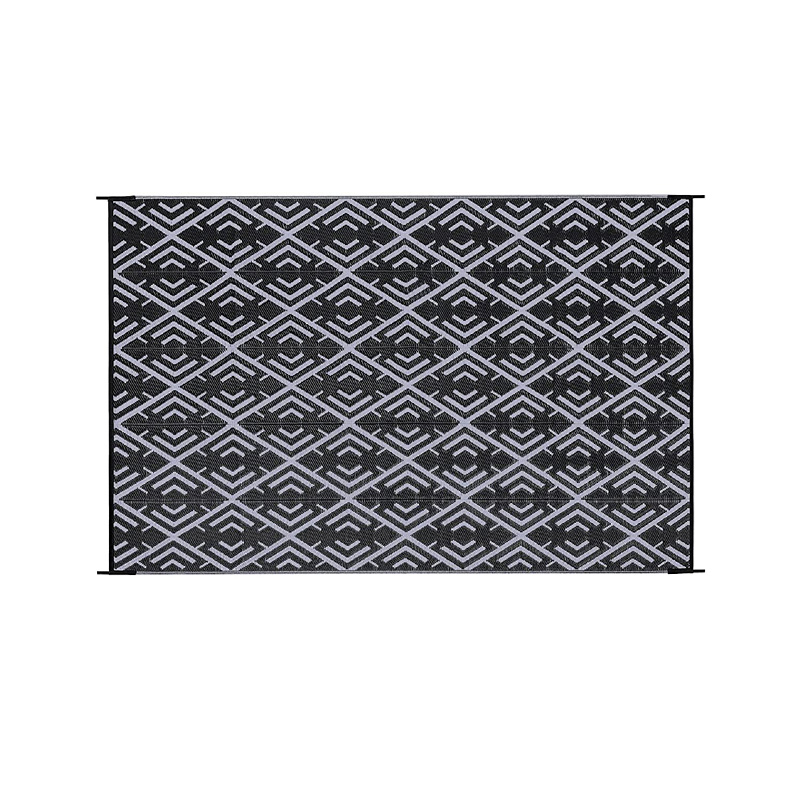
Lightweight Polypropylene Plastic Outdoor RV Mat
For RV owners, the ground space outside the vehicle quickly becomes part of daily living. A good out...
-
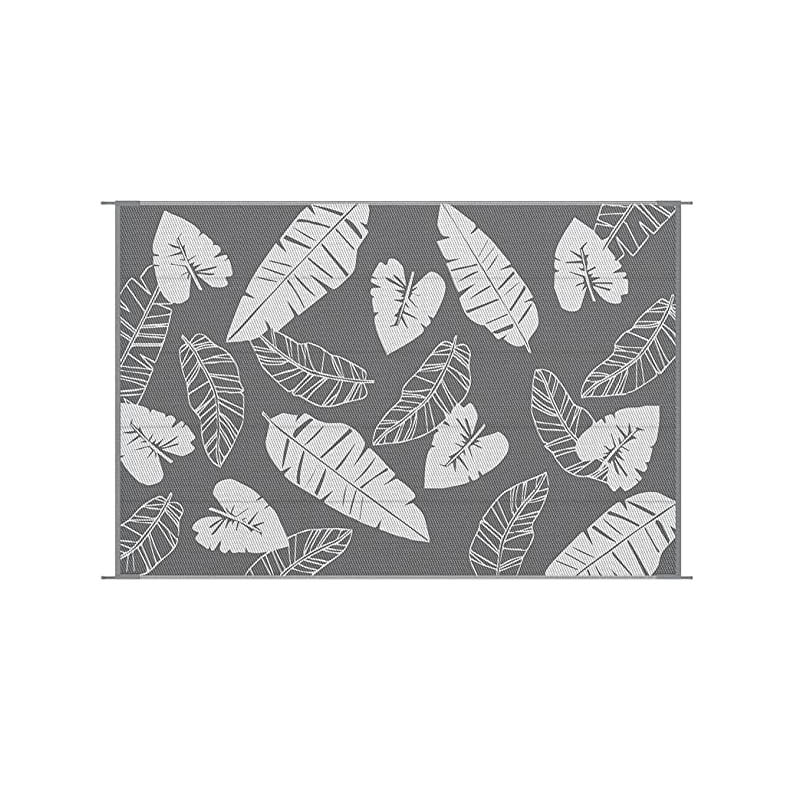
Large Foldable Anti-UV PP Weaving Straw RV Rug
When RV users set up an outdoor living area, the mat is often one of the first items placed beside t...
-
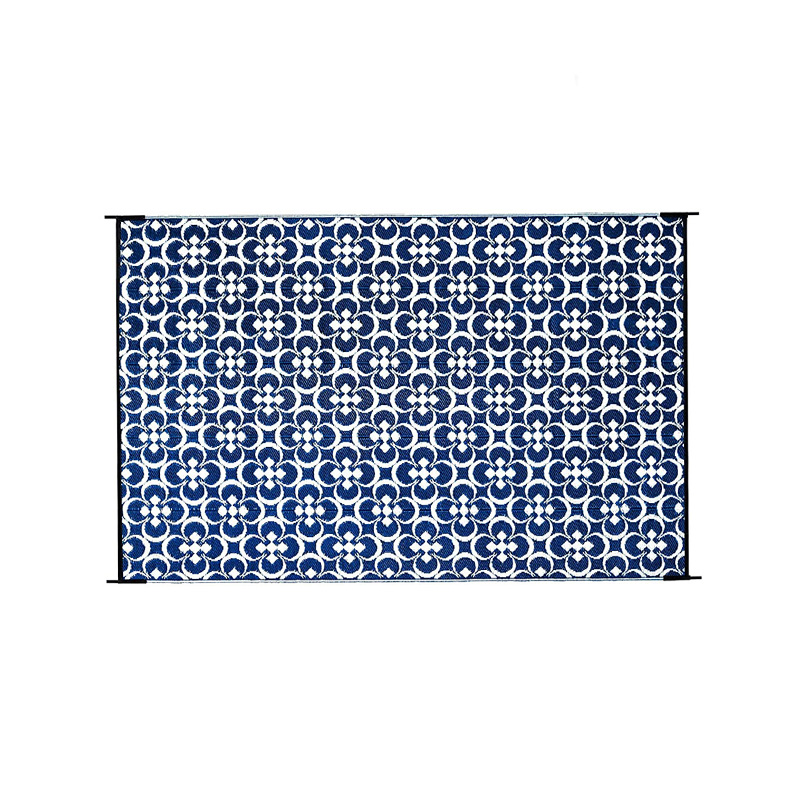
Recycled Moistureproof Plaid Outdoor Mat For RV
Features Heavy-Duty & High Quality & Durability: Our heavy-duty reversible RV mats are made ...
-
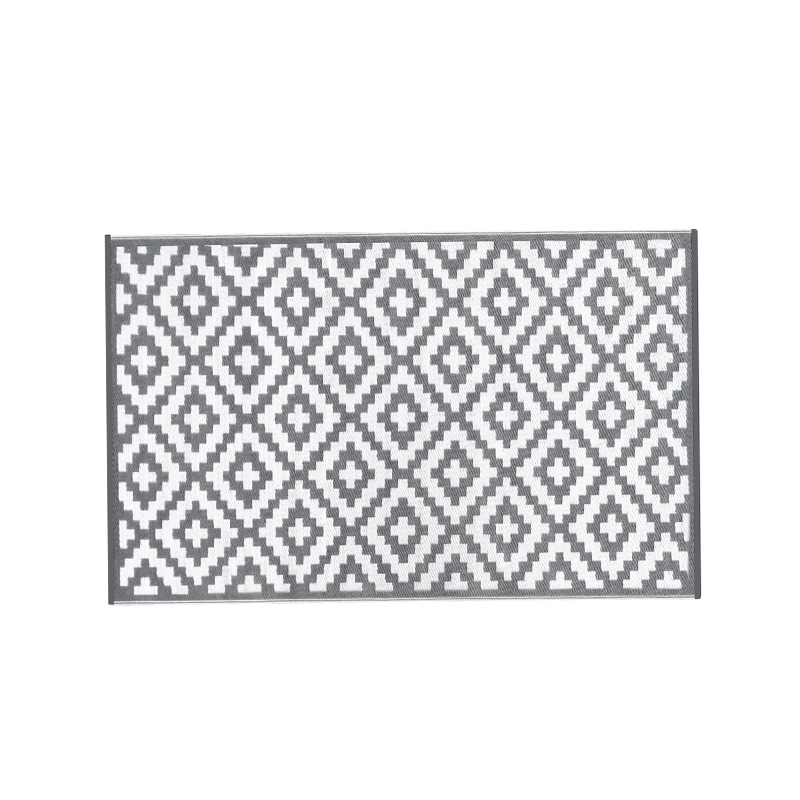
UV Resistant Patio Outdoor Rug
Elevate your outdoor spaces with the UV Resistant Patio Outdoor Rug from Aiyisi, thoughtfully design...
-
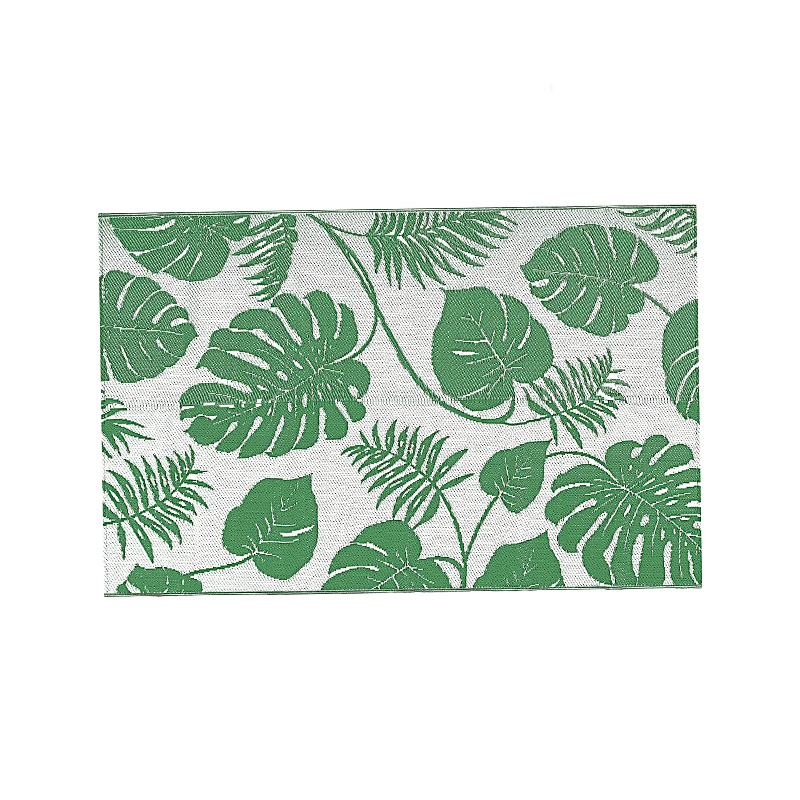
Durable Outdoor Polypropylene Mat For Patio
Features Reversible Outdoor Rug: The outdoor plastic straw rug with timeless medallion design is ele...
-
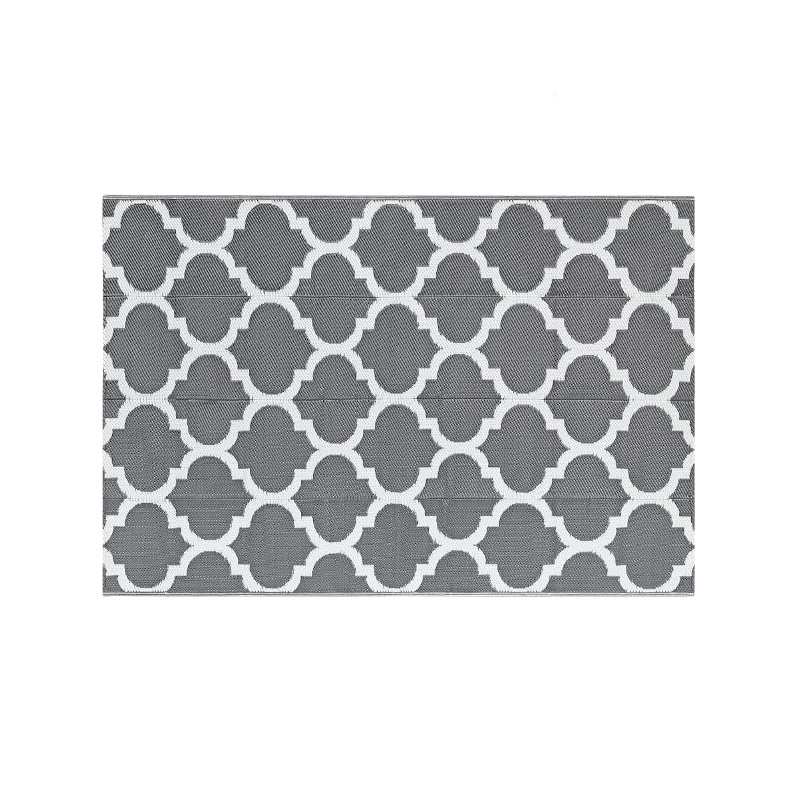
Recycled Plastic Straw Matting For Outside
Built for spaces that see real outdoor living, this recycled plastic straw mat adds a finished look ...
-
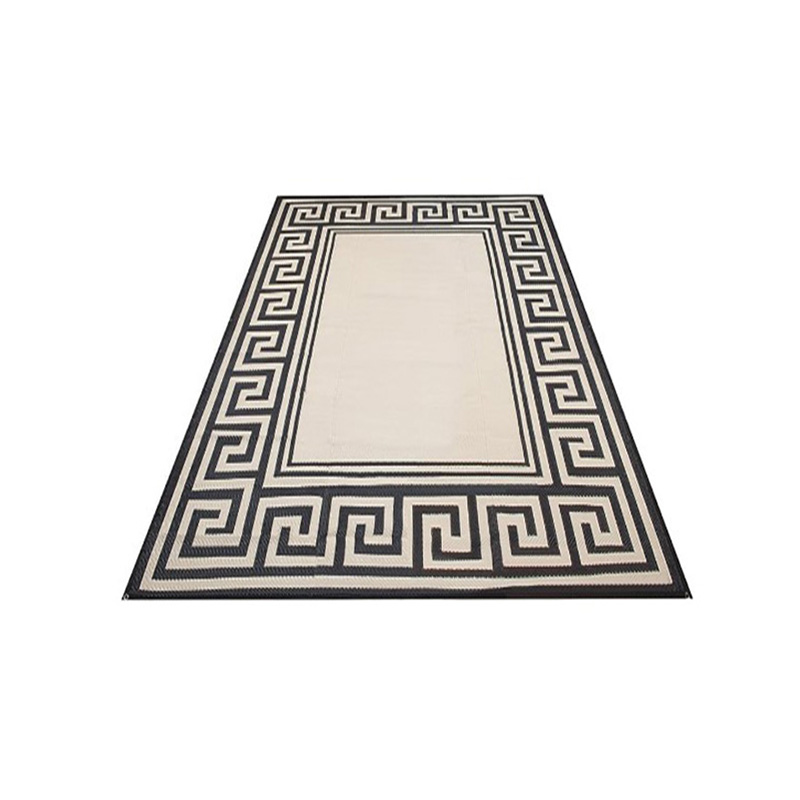
BSCI Audit PP Straw Camping Outdoor Rug
Description Introducing the BSCI Audit PP Straw Camping Outdoor Rug by AIYISI, an outdoor gear manuf...
-
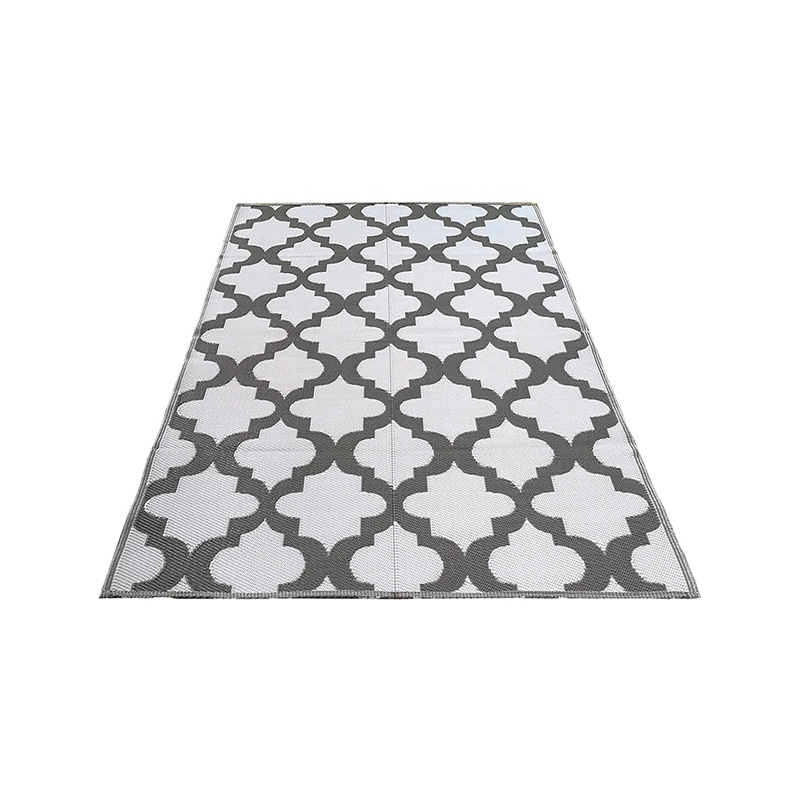
Plastic Matting Cheap PP Woven Recycled Campping Mats
This plastic matting offers a practical choice for outdoor activities with its construction from rec...

- FAX : 86-0576-83352177
- E-mail : [email protected]
- Phone : +86-0576-83207588
- Add: No.10 Yongan Road, Binhai industrial park, Sanmen County, Taizhou City, Zhejiang, China.
 Facebook
 Youtube
 Twitter
 Instagram